


The track of time
I lose track of time—not just the hours in a day, but the architecture of time itself. Days blur into weeks, weeks into months, and suddenly I’m looking back at years that feel like they happened to someone else, in some other lifetime I can barely access. It’s not simply forgetting; it’s a deeper disorientation, an inability to place the events of my life on any coherent timeline.
This temporal blindness has been building gradually, like fog rolling in so slowly you don’t notice until the familiar landmarks of memory have disappeared. Most of my days feel interchangeable now, lacking the distinct markers that once helped me navigate the story of my own life. Without these anchors, time becomes elastic and strange—months can feel like weeks, years like months, and recent events feel ancient while distant memories seem immediate.
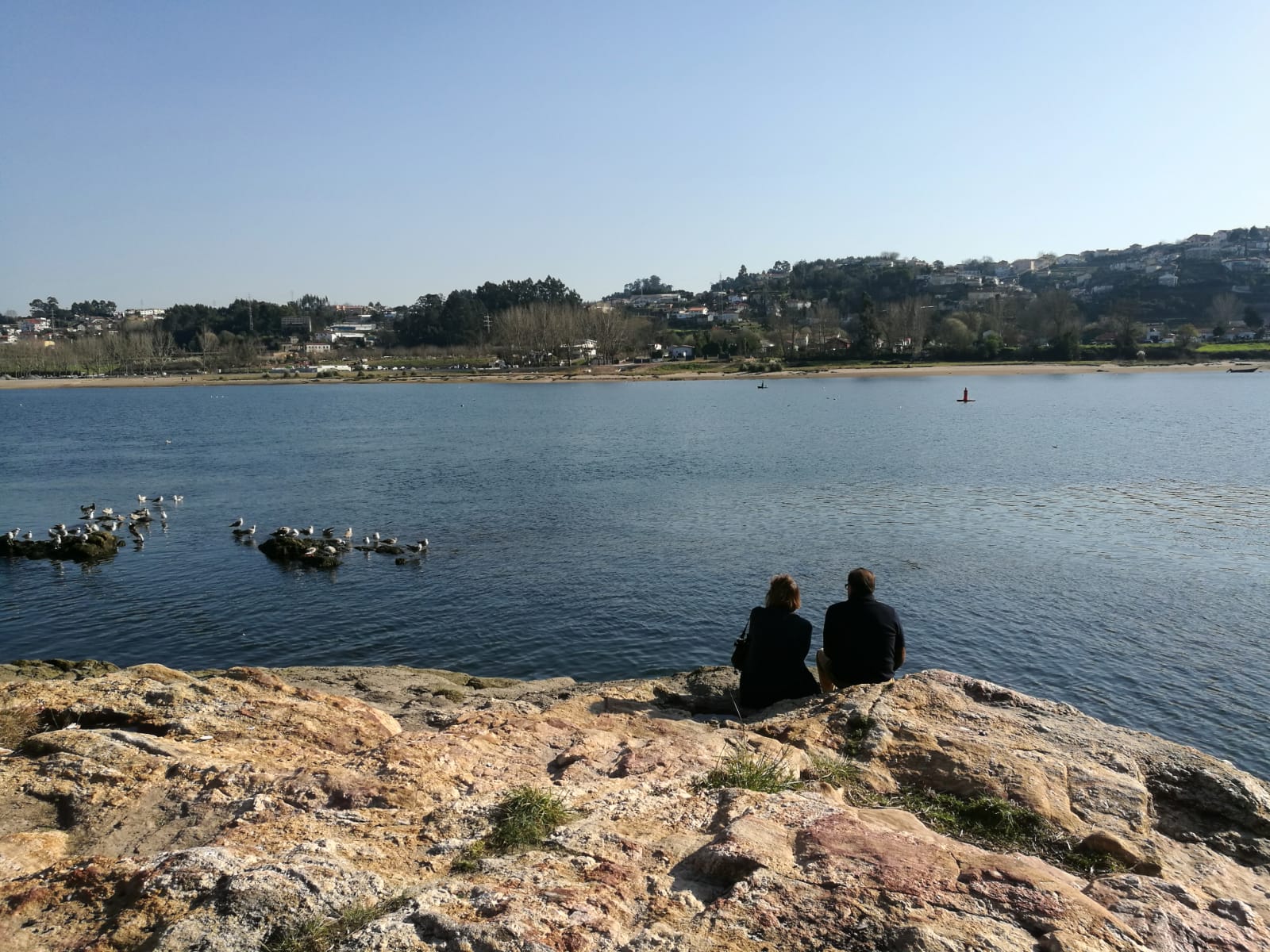
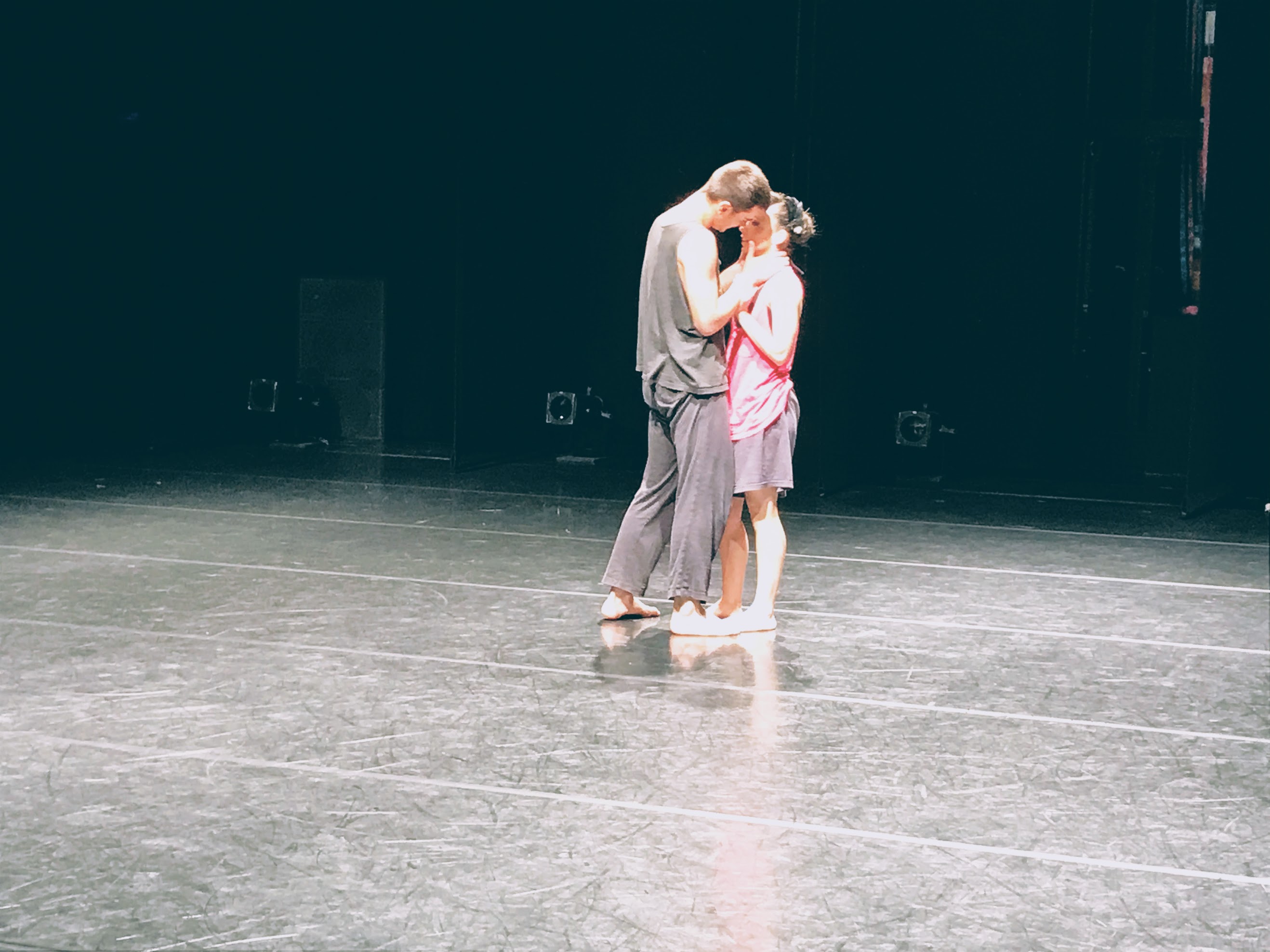
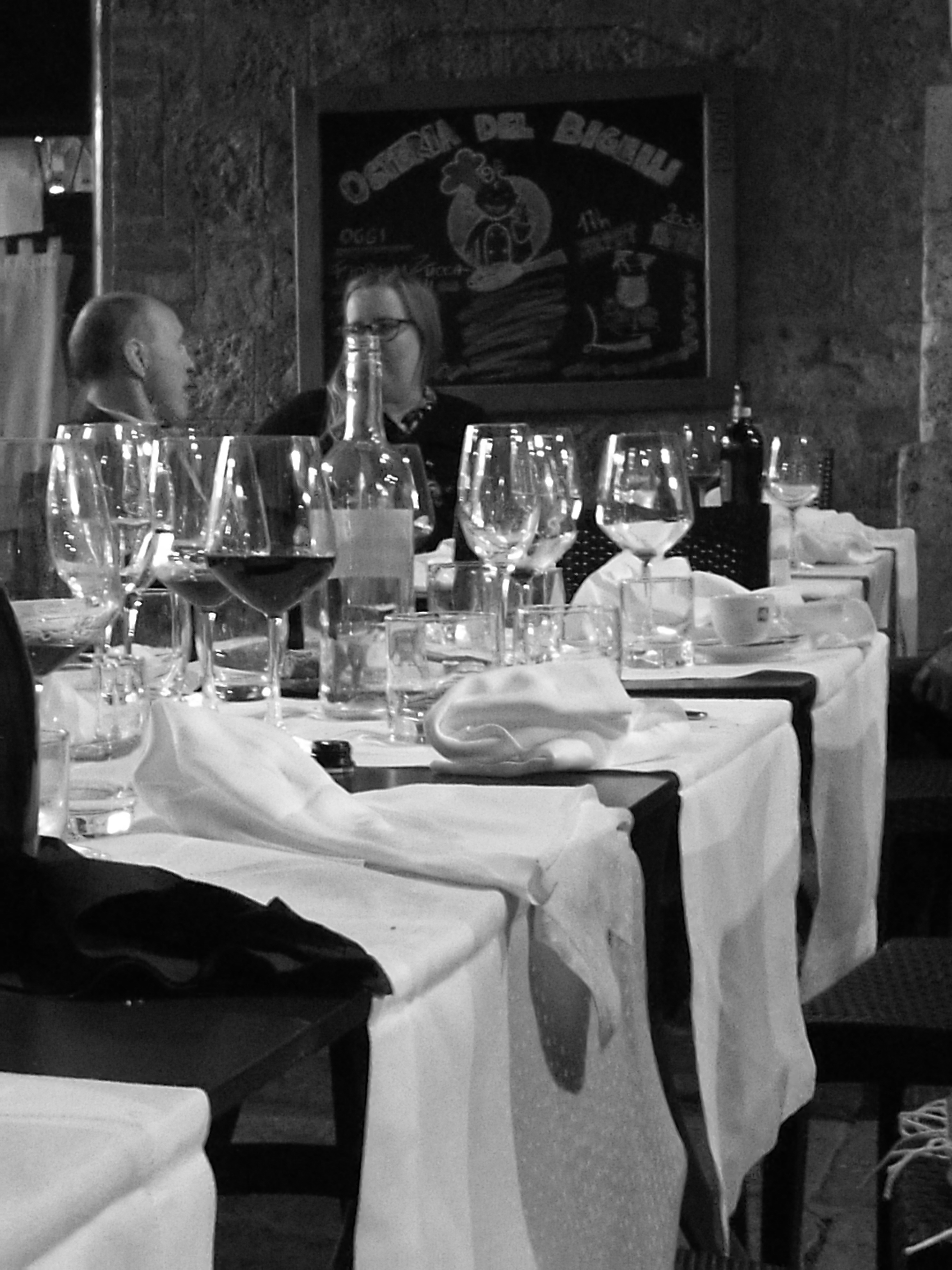
But some moments still cut through the haze with startling clarity. Travel creates these temporal anchors naturally—the sensory richness of new places, disrupted routines, the way my brain has to pay attention when everything is unfamiliar. So do moments of intense freedom and comfort, those rare times when I feel most myself, when social expectations fall away and I’m doing exactly what I want without compromise. And certain people, too, become markers in time—those who draw out different parts of me or create space for conversations that feel like they matter.
What strikes me about these clear moments is their common thread: they’re all times when I feel fully alive and present, when I’m engaged rather than going through motions. They represent pockets of authentic experience in an otherwise routine existence. The tragedy isn’t that I can’t remember what happened—it’s that so much of what happens doesn’t feel worth remembering.
Perhaps the gradual erosion of temporal landmarks isn’t just about aging or the sameness imposed by modern life. Maybe it’s about how rarely we allow ourselves to be fully present, how infrequently we create conditions for the kind of aliveness that makes moments stick. Time may not actually be speeding up—we might just be sleepwalking through most of it, leaving behind a wake of forgettable days that our minds, quite reasonably, choose not to preserve.
The solution isn’t necessarily to manufacture constant novelty or drama. But recognizing what makes certain moments memorable—travel, freedom, meaningful connection—might offer clues about what our minds need to start forming temporal anchors again. Even small acts of presence and intention might help distinguish one day from another. They create the kind of memories that come with their time signatures intact.








 Stories from A Closet of Errors