My father who, for my 10th birthday, gave me a 500 page book on the “History of Men in the last two million years “ so I could satisfy my curiosities and go on learning.
My mother who made me believe that even with clipped wings I could fly.
My grandparents who granted me free access to every book in the house with no concern whatsoever if what I was reading was age appropriate or not.
My great aunt, the delicate, elegant and joyful lady that I did not become.
My uncle who made me admire the preciseness and perfectionism that I don’t have in me. He was also patient enough to teach me Argentinian tango.
Ms Gloria, my first grade teacher who taught a whole class of six year olds to write their first words with a fountain pen.
Sister Clara Lucia who desperately tried to have us all speak the “Queen’s English”
Teresa my high school philosophy teacher who opened the door to the infinite universe of abstract thought
Manuela my philosophical theories professor at university who, in her 60s, dressed in jeans and silk blouses with plunging necklines and no bra and showed us that sensuous and intellectual could be synonymous.
C. Vieira, professor of European studies who tried to teach us that we should never walk down the stairs. I remember this often when I’m tempted to get into arguments.
Eugenie, the French teacher who declared that life is unjust. It does tend to be.
Marthinus, who was not my professor but gave me books and, tried to make me feel as South African as he once has tried to feel Portuguese.
Orlando who sat with me for long coffees and introduced me to magic realism.
Cesário who taught me to use a photometer and to develop photos and allowed me to entertain the idea that one day I could be a new Cartier-Bresson.
Dorinho who showed me who I could be.
Robby, who saw the restlessness and from whom I learned the importance of staying defiant.
Professor Gironès an eloquent humanist whose devotion for classical culture and the Mediterranean always made me look for the common within the different.
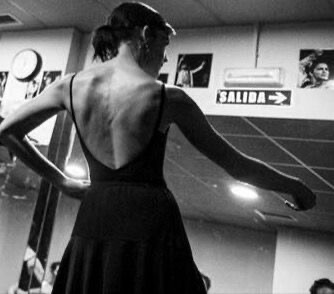
Ivo, Diana, Ernesto and Catarina, the patient, neurotic, perfectionist and passionate dance teachers that helped me discover my dramatic persona.
Anthony, the mentor, the role model, the compass whose idea of me was way too generous. As he was. The one who unfortunately was gone too soon and left without me having the opportunity to live up to be the person he thought I was.
Virgílio, the RFI journalist who wanted me to understand that I should not speak as fast as I think. Like in dance, it is the pause that says it all.
…the calling of the teacher. There is no craft more privileged. To awaken in another human being powers, dreams beyond one’s own; to induce in others a love for that which one loves; to make of one’s inward present their future; that is a threefold adventure like no other.
George Steiner, Lessons of the Masters (The Charles Eliot Norton Lectures)
Since I can remember having some sort of conscious thought, my favorite activity has been daydreaming. I would love to engage more with it? Absolutely. Should I? Most probably not. I tend to use it as a way of escaping the weight of the days, even if, sometimes, it has helped me come up with brilliant, in my opinion, ideas.
Being still was not a problem when I was a kid. I enjoyed being alone and left to my own devices. Either forced by the inevitability of growing up into an accountable and acceptable adult or by the contextual speed of life, being still became a problem and, being present became something to be learnt again.
Talent or no talent , dancing— and choosing a form of dance as technically demanding as Flamenco — has slowly helped me regain a sense of connection.
Dancing unites body and mind through movement, requiring presence in a way that’s both physical and emotional. When you’re fully engaged in dance, you’re experiencing yourself as a whole being rather than fragmented parts. In the present.
At the still point of the turning world. Neither flesh nor fleshless; Neither from nor towards; at the still point, there the dance is, But neither arrest nor movement. And do not call it fixity, Where past and future are gathered. Neither movement from nor towards, Neither ascent nor decline. Except for the point, the still point, There would be no dance, and there is only the dance.
T. S. Elliot, excerpt from Burnt Norton, (Four Quartets)
I don’t care about stories. I never did. Every story is the same. We have no new stories. We’re just repeating the same ones. I really don’t think, when you do a movie that you have to think about the story. The film isn’t the story. It’s mostly picture, sound, a lot of emotions.
And, I remembered that one of the first movies that made me feel the same was Peter Greenway’s The Pillow Book, beautiful to behold and impossible to forget. I can’t remember the story but I do remember feeling spellbound by its visual poetry and the idea of being a living book. Greenway employs multiple aspect ratios, picture-in-picture compositions, and superimposed calligraphy that transforms the screen into a living, breathing manuscript. Bodies become canvases, and ink becomes an extension of desire. The film’s approach to visual composition mimics the practice of calligraphy itself—disciplined yet sensual, structured yet flowing with emotion.
It took me another 10 years to get my first tattoo and it was not a written one. I had a leopard done in Johannesburg because I was born in South Africa and the leopard is one of the Big 5. When I finally decided to have something written, I was in San Diego in 2014. For a full 5 hours or so, someone patiently wrote Macbeth’s soliloquy in Act 5 Scene 5 on the right side of my rib cage. Surprisingly, there was no pain. The tattooer, who was very young, asked why I had chosen such a strange thing. I wanted to be constantly reminded of the fleeting nature of life and meaning, I said.
After I got divorced, Richard II was written on my right tight under the leopard. I wasted time and now doth time waste me.
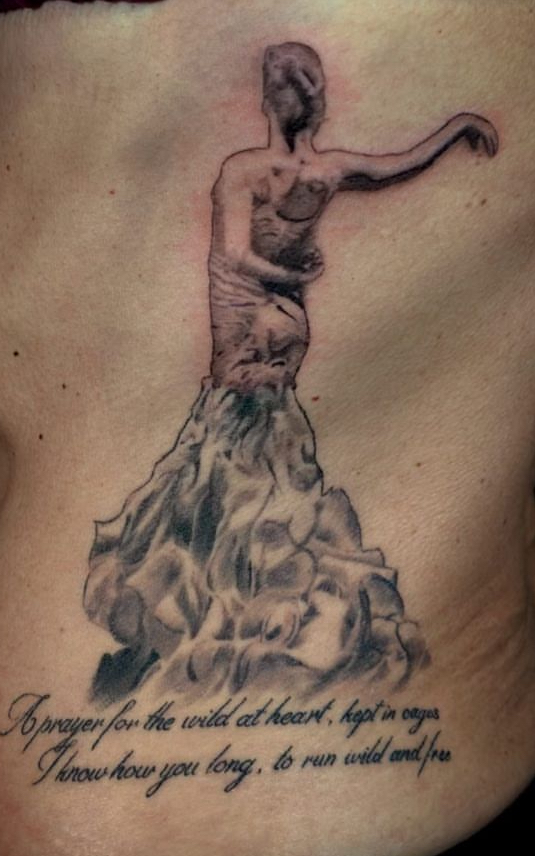
My last one was done in 2024, a very common tattoo written under a flamenco dancer on my left rib cage. Tennessee Williams’ first verses of A Prayer for The Wild at Heart. The tattoo artist thought that having the whole poem would be over the top.
I wanted to show, even though they are not visible, that for me there’s nothing more important than literature. Particularly the one exploring human struggles, mortality, and the desire for freedom.
The “Pillow Book” connection made perfect sense now – like the film, I was using my body as a canvas for meaningful text. Yes, I could use paper, but text on skin becomes something more intimate and embodied than words on a page. I also see them as a way of relating my reminder’s of life’s impermanence and the tension between duty and desire to the struggles of everyone else.
I am now thinking of getting a tattoo of goddess Athena. I have to find suitable words.
There. There you are. You have just dropped a marker pin on your body, to reclaim yourself, to remind you where you are: inside yourself. Somewhere. Somewhere in there Caitlin Moran, How to Be a Woman
The meaning of my existence is that life has addressed a question to me. Or, conversely, I myself am a question which is addressed to the world, and I must communicate my answer, for otherwise I am dependent upon the world’s answer.
I used to love traveling no matter how. I now hate airports and the tiring processes entailed in flying somewhere .
I used to like road trips or, at least, the idea of road trips.
I think I still like trains.
I still have the fantasy of traveling on a cargo ship .
Reference
Caminante, no hay camino / Traveler, There Is No Road by Antonio Machado
“Caminante, son tus huellas el camino y nada más; Caminante, no hay camino, se hace camino al andar. Al andar se hace el camino, y al volver la vista atrás se ve la senda que nunca se ha de volver a pisar. Caminante, no hay camino sino estelas en la mar.”
Traveler, your footprints are the only road, nothing else. Traveler, there is no road; you make your own path as you walk. As you walk, you make your own road, and when you look back you see the path you will never travel again. Traveler, there is no road; only a ship’s wake on the sea. translated by Mary G. Berg and Dennis Maloney
Every comparison would be aspirational. I guess we wished we could be compared to beautiful, bright and graceful, sensuous and brave animals but we seem to lack the effortlessness that comes with nature.
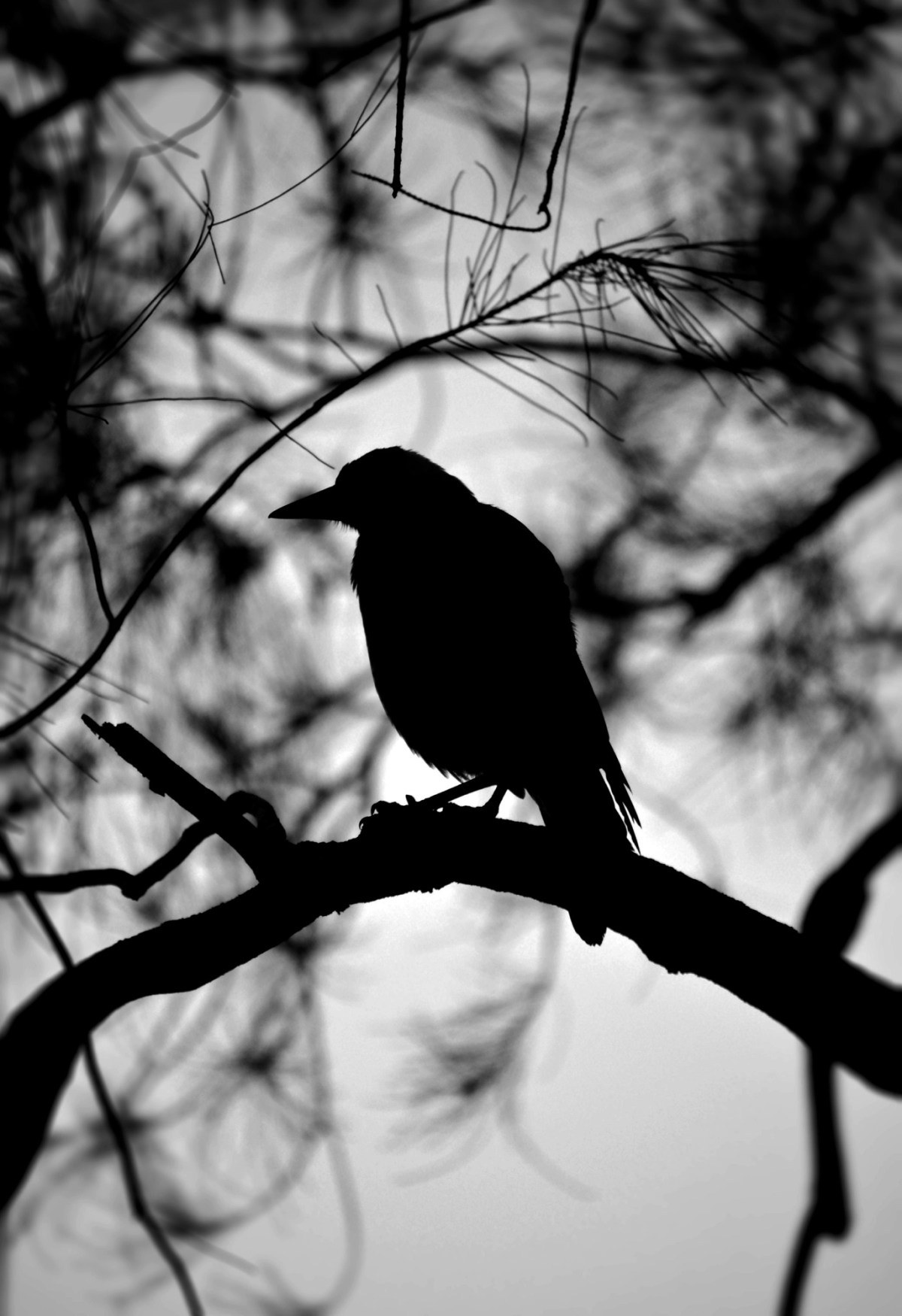
I wish I could be compared with a crow.
Crows are remarkably intelligent problem-solvers who can use tools, recognize human faces, and even understand cause and effect relationships. They’re known for their curiosity and enthusiasm about novel objects and experiences.
Despite their individual intelligence, crows maintain strong community bonds. They live in family groups that work together and even hold “funerals” for fallen members, showing a sense of the collective good that does resonate with my stubbornly public-minded values.
Their reputation for fairness appears in how they maintain relationships through reciprocity and remember those who have helped or harmed them – a form of integrity in their social world.
Though not conventionally beautiful like peacocks or graceful like deer, crows possess a different kind of elegance: the beauty of adaptability, resilience, and intellectual engagement with their world.
Crows remind us that there’s a special kind of grace in curiosity, in paying attention to details, and in maintaining ethical relationships with others.
Also, I find it increasingly difficult to get out of black clothes.
It has been in use as a proper noun in the Anglophone world since it was first used by Philip Sidney in Astrophil and Stella in the 1580s.
Alternatively, it is a feminine version of the Greek name Stylianos, meaning pillar.
Apparently, The name Stella evokes images of someone who is both intriguing and radiant. It suggests a personality that is meant to shine brightly in the world. Individuals named Stella are often perceived as open-hearted and creative, bringing light and energy into the lives of those around them.
Only two people call me by middle name. I think Stella is there because the intention was that the two names came to mean the Star of Hope
I haven’t written letters in so long that I’m not quite sure how to do this.
If you have made it as far into the future, I suppose you have managed to survive the anxiety and anger you were feeling when everything around you defied a logical explanation. Maybe you have learned that things are not as extreme as you perceive them. Although, being a Leo, I’m intrigued how you have managed to curb your tendency to overreact.
If you have made it as far into the future, I hope you have outgrown therapy or, at least, have found a therapist that does not seem to need help more than you do and, managed to open up and allowed yourself to be helped.
If you have made it as far into the future, I hope you danced as much and often as you could and that you have managed to read all the books you wanted to read and kept your to read pile always high.
If you made it as far into the future, I hope you have understood how to deal with the pain of losing loved ones and that you have kept your friends close by. I hope that living alone has not been too much of a burden and that you have enjoyed your freedom.
If you made it this far into the future, I guess you have mastered your horrible tendency to procrastinate. Maybe you followed through with all your plans and are now living in some Greek island surrounded by blue.
I hope you have always carried with you all the songs that have helped life make sense and that your inner soundtrack keeps growing.
I hope you have not gotten lost inside yourself. I hope you still remember.
I hope you have kept the passion and that you have not become indifferent to people, to beauty. I hope you still believe that elegance is a form of resistance.
I hope you have never stayed quiet in the face of injustice, that you have helped others and, that your world is much better than the one right now. I hope you haven’t given in.
I hope you have owned your choices and that you have always insisted on being the Sun and never a black hole.
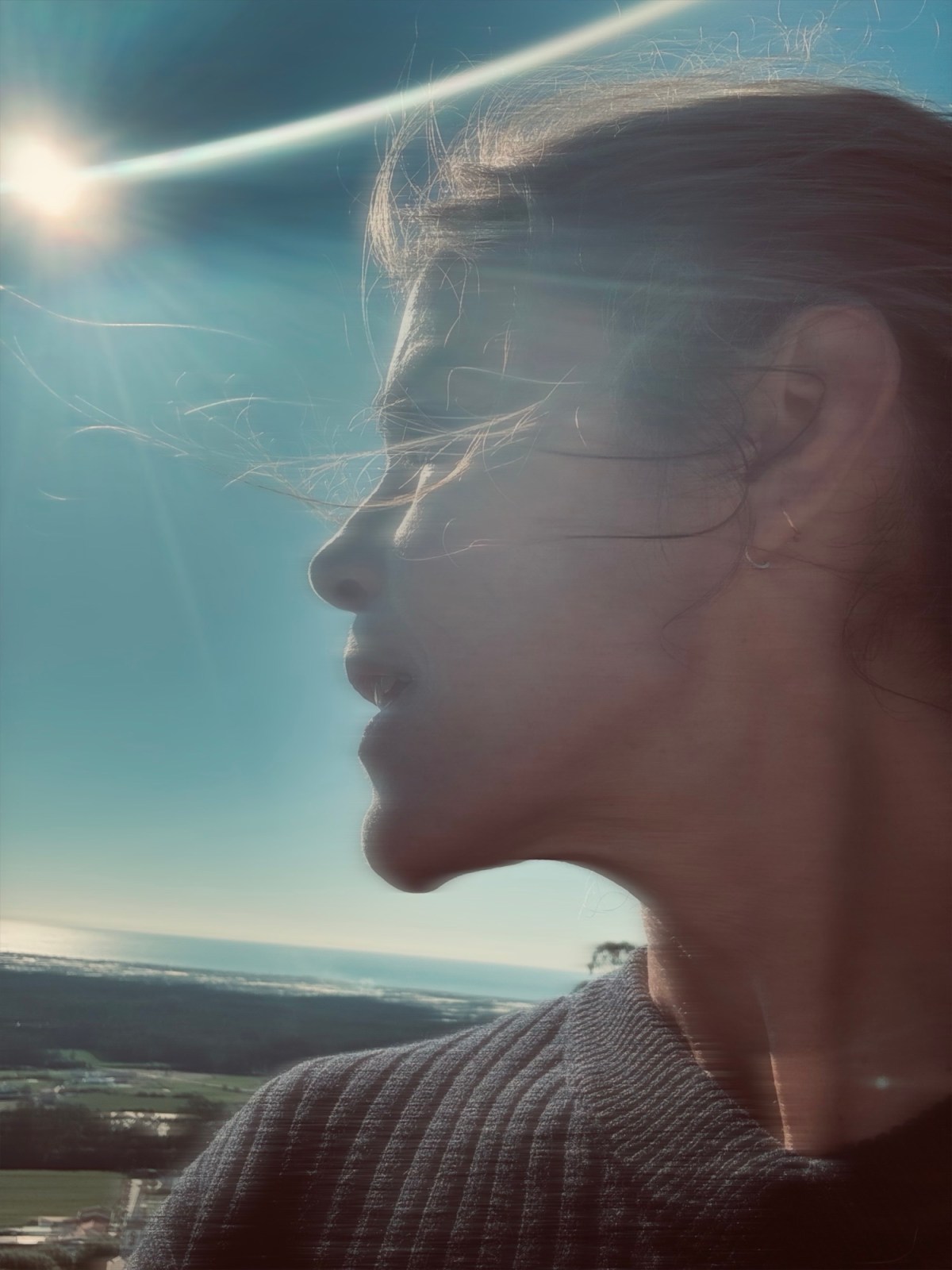
Even if you do not look like the AI projected version of yourself, I hope your eyes keep showing that your name is Hope instead of impossible.
I hope you still like poetry even if you have never managed to write a single line of verse.
Dear future self
By JP Howard

If  I should ever forget you,
this is my love note to you

You were loved
You were somebody’s lover
You were loving
You held parts of all the women you loved,
somewhere deep in your generous heart

You were heartbroken
You were a heartbreaker too, girl
Sometimes you were heartache
Your heart never grew heavy though,
I remember that about you

You were silly
You were giggles
You were somebody’s Mama
You always wanted to be a Mama
Mama was the greatest title you ever had

You were jealous as fuck
You were selfish
You were sad
You held other folks’ sadness,
especially Mama’s sadness
You buried that deep in our heart

You were swag girl
Leo charm and confidence
Couldn’t nobody crack you up
as much as yourself

You were cute and you were vain
You wore lipstick under your mask
during a pandemic
because you were cute and you were vain

You loved your family
Your lover loved you for decades
Sometimes you would ask yourself,
How I get so lucky, girl?

You loved people
You were at home on a stage in front of a mic,
sitting with community in a circle,
or talking one on one with a friend
for hours on end in a coffee shop

You were a poet
You are a poet
This is your love poem to yourself, Juliet
For nations vague as weed, For nomads among stones, Small-statured cross-faced tribes And cobble-close families In mill-towns on dark mornings Life is slow dying.
So are their separate ways Of building, benediction, Measuring love and money Ways of slowly dying. The day spent hunting pig Or holding a garden-party,
Hours giving evidence Or birth, advance On death equally slowly. And saying so to some Means nothing; others it leaves Nothing to be said.
I have a hard time saying goodbye to all the Summers in my life.
I wish I could carry all my summers with me. Both metaphorically and literally.
in time of daffodils(who know the goal of living is to grow) forgetting why, remember how in time of lilacs who proclaim the aim of waking is to dream, remember so(forgetting seem) in time of roses(who amaze our now and here with paradise) forgetting if, remember yes in time of all sweet things beyond whatever mind may comprehend, remember seek(forgetting find) and in a mystery to be (when time from time shall set us free) forgetting me, remember me
As most people, I own too many things. I could, obviously, live without most of the things I have. And I have tried, once when I was moving to a new flat, I gave away most of my possessions. This was, in some way, liberating although I’m not quite sure if I was trying to set myself free or was just to lazy to take everything with me.
He eventually realized that he was clinging to things that reminded him of people, places and experiences from his past.
“I wanted to make room for my future,”
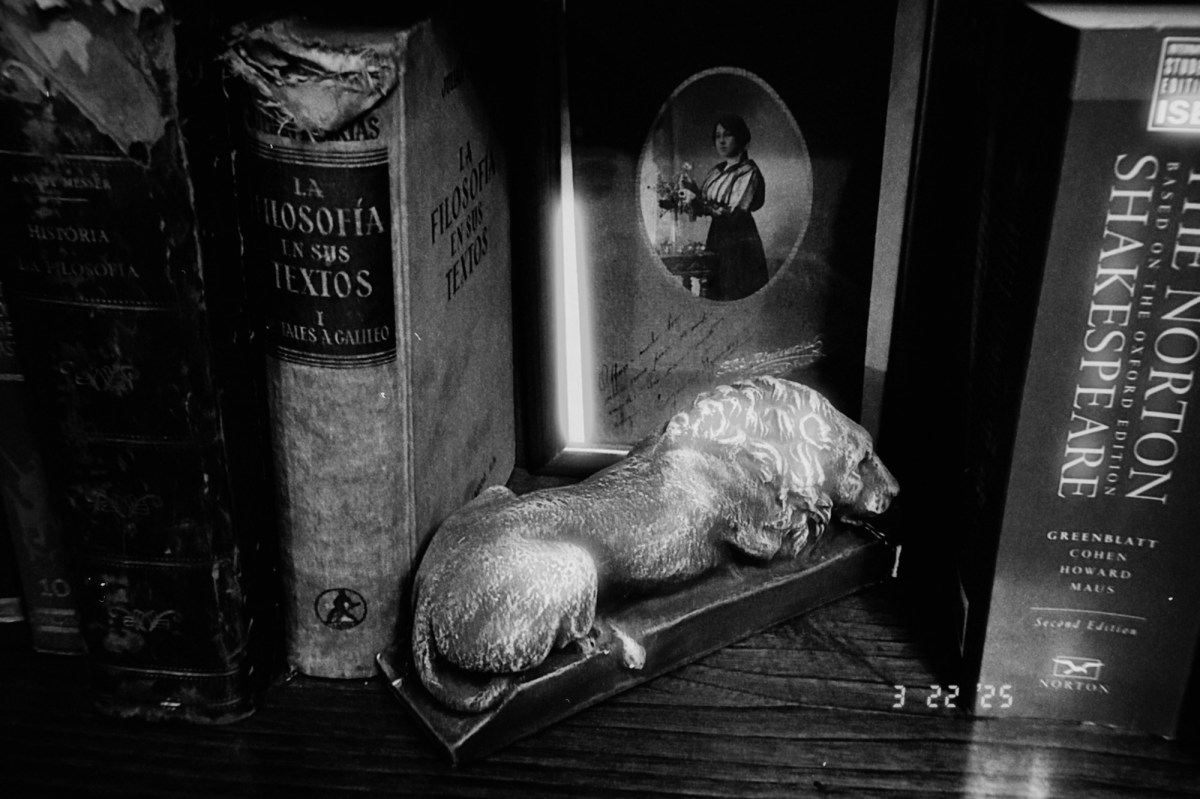
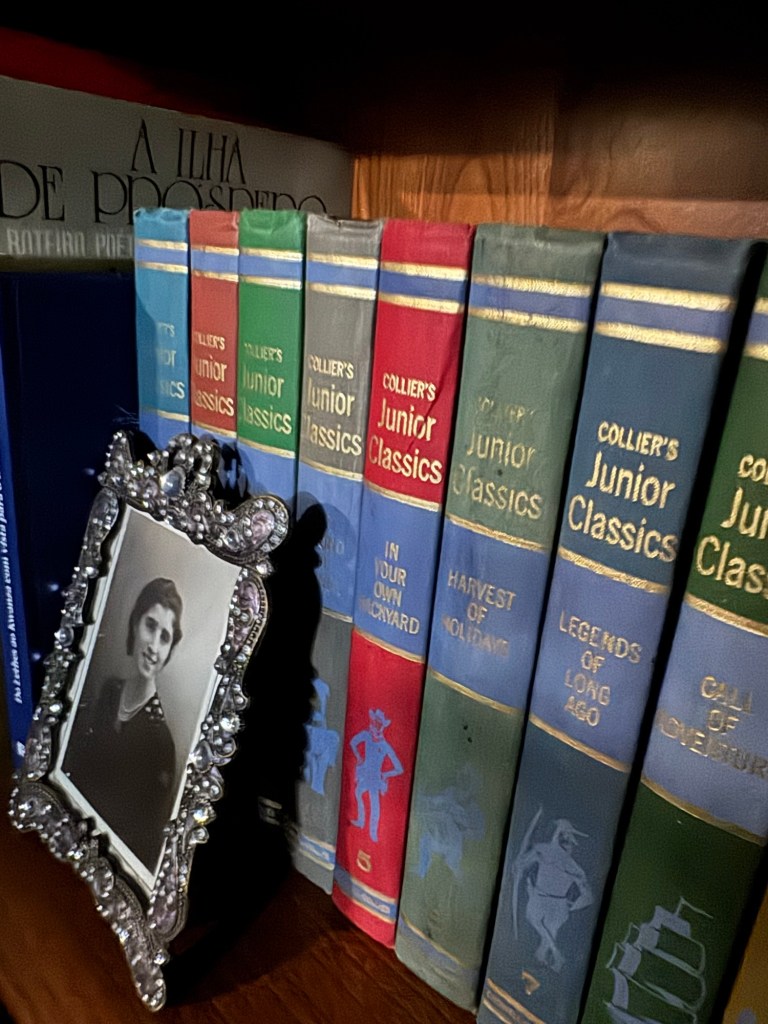
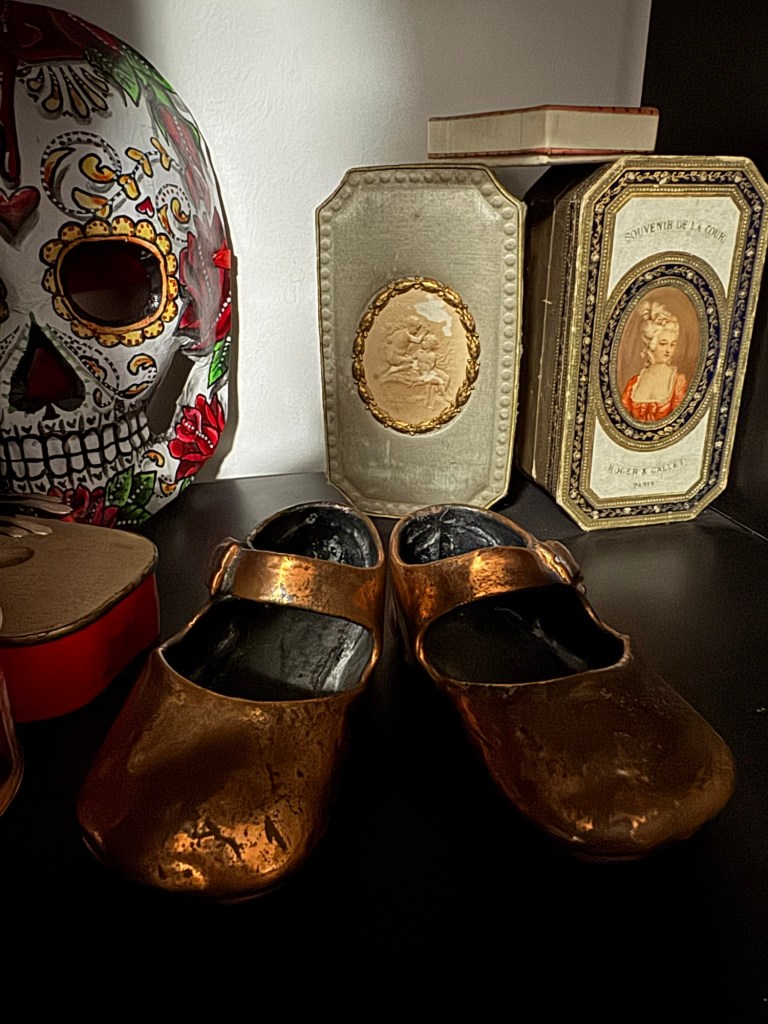
From house move to house move I always kept steam trunks, books, photos, my grandmother’s wedding blouse and her dresses, the cake figurine of her wedding (1949) cake my great aunt wedding dress, my grandfather”s camera and photometer, birthday cards, note written by friends, sketches made by friends who have, unfortunately, died, theatre and concert tickets, my journals, my first pair of shoes bronzed in South Africa, teddy bears, notebooks and pens and pencils.
Learning to love differently is hard, love with the hands wide open
I suppose this answers the question, What are three objects you couldn’t live without? I just can’t bring them down to three.
I know “our memories live inside us, not in our things” but I still feel there’s a beautiful thread connecting everything I’ve kept to my personal history, relationships, and creative life. They are tangible links to my ancestry.
I’ve kept things that embody memory, relationship, and meaning rather than items of mere convenience or fleeting value. For some, they’re probably just clutter anyway. For me, these objects help tell the story of who I am and of the life of those who came before me. I have a hard time imagining a future without room for the past.
Life, friends, is boring. We must not say so. After all, the sky flashes, the great sea yearns, we ourselves flash and yearn, and moreover my mother told me as a boy (repeatingly) ‘Ever to confess you’re bored means you have no
Inner Resources.’ I conclude now I have no inner resources, because I am heavy bored. Peoples bore me, literature bores me, especially great literature, Henry bores me, with his plights & gripes as bad as achilles,
who loves people and valiant art, which bores me. And the tranquil hills, & gin, look like a drag and somehow a dog has taken itself & its tail considerably away into mountains or sea or sky, leaving behind: me, wag.
What bores you?
Numbers bore me, data bores me. People complaining about their comfortable lives bore me to death. The lack of consistency between words and actions both bores me and infuriates me. My lack of discipline bores me and, sometimes, my indifference frustrates and scares me.
In the late 90s, when Skunk Anansie emerged with their fierce blend of alternative rock and political awareness, frontwoman Skin confronted society’s hypocrisy with unflinching honesty. Their music, to which I confess, I wasn’t paying much attention at the time, but can hear it loud and clear from the first time I saw them live, offered profound commentary on disillusionment, authenticity, and betrayal that remains startlingly relevant today.
In today’s social media landscape, we curate selective versions of ourselves, seeking validation in an ecosystem that promises universal acceptance while quietly enforcing rigid conformity. The anger in Skin’s voice when challenging religious and social hypocrisy reminds us that genuine acceptance remains conditional—algorithms, trends, and social capital determining who is seen and who remains invisible.
The message behind “God Loves Only You” resonates powerfully in an era where people preach inclusivity while practicing exclusion. We’ve traded explicit prejudice for implicit bias, creating environments where belonging still comes with unspoken qualifications. How many of us perform the correct political positions online while failing to embody those principles in our daily lives?
Skunk Anansie, Porto 02.28.2025
“It Takes Blood & Guts To Be This Cool But I’m Still Just A Cliché” highlights our contemporary paradox. We demand authenticity yet punish genuine vulnerability. Today’s world expects us to be fearlessly original yet utterly digestible, to stand out while fitting in. The song’s provocative title captures this contradiction perfectly.
Those who dare to exist outside accepted parameters face consequences ranging from algorithmic invisibility to outright harassment. Meanwhile, true boldness gets commodified, packaged, and resold as aesthetic without substance. We’ve developed sophisticated language for social justice while failing to achieve its fundamental aims—much like the performative rebellions Skin critiqued decades ago.
Skunk Anansie, Porto 02.28.2025
“Hedonism (Just Because You Feel Good)” offers another layer to our modern dilemma. In an era of instant gratification and endless distraction, the song’s exploration of pleasure without purpose speaks directly to our attention economy. Social media platforms are designed like casinos—engineered to maximize engagement through dopamine hits while creating little lasting satisfaction.
The chorus question, “Just because you feel good, does it mean that you’re right?” perfectly encapsulates our collective susceptibility to emotional reasoning. From consumer choices to political positions, we increasingly mistake feeling good for being right, comfort for truth. The hollow promise of digital hedonism—endless scrolling, outrage cycles, validation seeking—leaves us, as Skin powerfully articulates, “Empty like the hole you left behind.”
Skunk Anansie, Porto 02.28.2025
Skunk Anansie’s “Yes, It’s Fucking Political” delivers a raw, uncompromising message that challenges our ability to remain neutral in times of conflict. In today’s world, wars rage on physical battlefields and across digital information spaces. The song’s central assertion—that everything is political—cuts through comfortable illusions of neutrality.
As Skin defiantly proclaims in the song, political realities can’t be escaped or ignored; they shape our lives whether we acknowledge them or not. This truth resonates powerfully in our current moment, where algorithms curate our worldviews while creating the illusion of objective reality. The conflicts we witness—from armed struggles to culture wars—aren’t distant abstractions but forces that directly impact human lives.
The song’s visceral intensity highlights the frustration of those whose suffering is reduced to debate topics. Their existence is framed as “political.” Meanwhile, others enjoy the privilege of claiming neutrality. At a time when we can customize our information environments to screen out uncomfortable realities, Skunk Anansie’s confrontational approach reminds us that turning away from conflict doesn’t make it disappear—it merely privileges those who benefit from the status quo.
Skunk Anansie, Porto 03.18.2022
“This Means War” offers a perfect companion to these political themes by bringing conflict to the personal level. The song’s explosive energy captures the moment when diplomacy ends and confrontation becomes necessary—not just in global politics but in our individual lives and relationships.
In today’s world, we’re encouraged to compromise, to seek middle ground, to maintain peace at all costs—even when fundamental values and boundaries are at stake. “This Means War” reminds us that sometimes, drawing a line is not just appropriate but necessary. The song’s defiant stance resonates with anyone who has reached their breaking point after repeated betrayals or violations.
The lyrics speak to personal liberation through confrontation. This theme is particularly relevant today. We increasingly recognize how power imbalances shape even our most intimate relationships. When Skin sings about declaring war, she’s articulating the moment of reclaiming power after prolonged subjugation, of refusing further compromise after continual exploitation.
From setting boundaries with manipulative institutions to refusing engagement with bad-faith arguments, from breaking cycles of abuse to confronting systemic injustice. The song’s message isn’t about glorifying conflict but recognizing its necessity in certain contexts—a message that cuts against our culture’s emphasis on toxic positivity and endless accommodation.
Skunk Anansie, Porto 02.28.2025
I believed in you, well, I was wrong. How many institutions have failed us? How many movements have been corrupted from within? How many public figures have revealed themselves to be contrary to their cultivated image? We’re continually investing faith in platforms, personalities, and communities that promise connection but deliver surveillance, promise empowerment but deliver exploitation. We believed in the democratizing power of technology only to watch it amplify inequality. We believed in the possibility of genuine community only to experience unprecedented isolation.
Skunk Anansie, Porto 02.28.2025
Like the powerful vocals and words that define Skunk Anansie’s sound, perhaps mine (our ) response to today’s challenges should be neither whispered conformity nor performative outrage, but something more raw, more honest, and ultimately more revolutionary—the sound of our authentic voices, raised together. Hope, at this time, might be just naive optimism against all evidence but, it might as well be a deliberate choice made with full awareness of reality’s harshness.
In a world where climate anxiety, political polarization, economic uncertainty, and technological disruption create a perfect storm of existential dread, envisioning alternative futures becomes crucial. It is both a psychological necessity and a political act. My biggest challenge, I don’t think it’s particular to me, is how to simultaneously process difficult truths while maintaining the creative capacity to imagine beyond them.
It does take music to survive. Music like Skunk Anansie’s doesn’t just entertain—it validates our experiences, expresses our frustrations, and offers both catharsis and connection. In a world that can feel increasingly alienating and chaotic, that musical connection is essential. It becomes not just enjoyable but necessary for emotional survival.
Live performances add another dimension entirely. There’s something about being physically present in a space with other fans who understand the importance of these songs that creates a genuine community, even if just for a few hours. It’s a reminder that we’re not alone in our experiences or our reactions to the world.
In a collection that’s grown to nearly 200 pairs (I couldn’t write on budgeting even if I was paid to do it), choosing a favorite seems almost unfair although not difficult.
When I look across what I wished was a carefully curated kingdom of footwear but it’s probably just a sign of some kind of derangement , my eyes always land on the same pair: my custom Converse All Stars emblazoned with Walt Whitman’s timeless words, “resist much, obey little.”
The customization process was simple enough—Converse’s website, a font choice, a color scheme that wouldn’t overshadow the message. But the impact was anything but simple.
Whitman’s phrase—tucked into his poem “Caution”—spoke to something essential in me. A reminder that blind conformity is the enemy of growth. That questioning authority isn’t rebellion for rebellion’s sake, but a necessary component of being and feeling alive.
“Resist much, obey little, Once unquestioning obedience, once fully enslaved, Once fully enslaved, no nation, state, city of this earth, ever afterward resumes its liberty.”
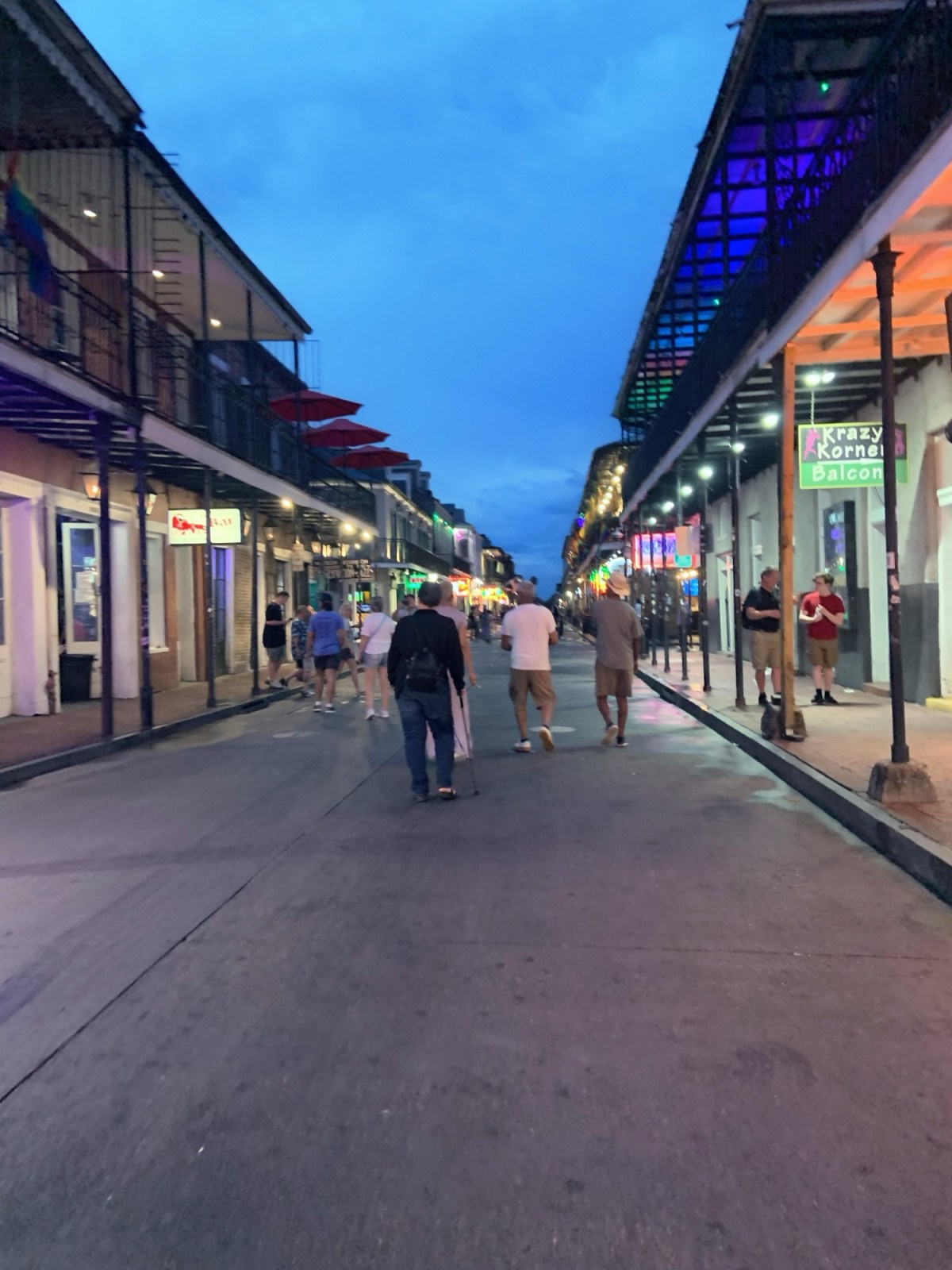
I received them in April 2024. In May I took them to New Orleans—my soul city. There’s something poetic about first breaking in shoes dedicated to resistance in a place that has itself resisted time, tragedy, and homogenization. Walking as if dancing, feeling the rhythm of this marvellous city, breathing music from morning to night, watching the white canvas collect the character of a city that refuses to surrender its identity—it felt like a perfect baptism for both the shoes and for me. I always feel more alive in New Orleans. I always feel I get to be myself anew.
They carried me through heartbreak in Greece, they were with me in Wembley to celebrate life with a friend that took me to see Bruce Springsteen and 60 thousand people whit hungry hearts, they got to see Ian Astbury who no longer is my teenage crush but can still stir something when singing about paradises in shattered dreams. They take me to work when I’m feeling disappointed and a bit defiant.
They remind me that authentic self-expression isn’t always comfortable, but it’s always worthwhile. That small acts of personal courage accumulate into a life of integrity. That sometimes the loudest statements are made in the quietest ways. That resistance sometimes it’s as simple as a daily choice to live by your own compass.
















 Stories from A Closet of Errors