On forts and churches 

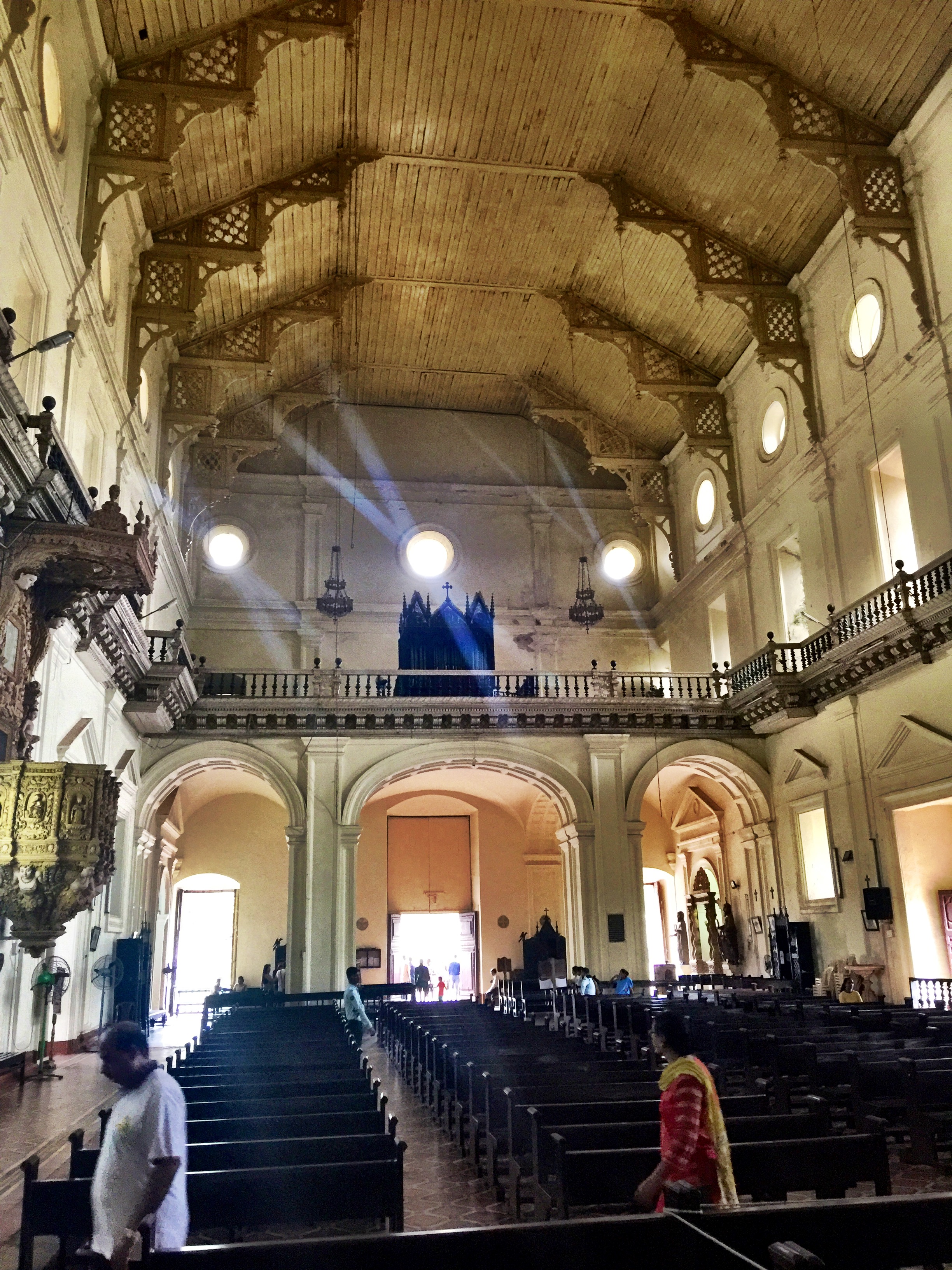
This is my first trip to India. I spent two and half days in Kochi in the state of Kerala, site of the death of Vasco da Gama who had arrived in Calicut (now Kozhikode) 26 years before. In 1510, led by Afonso de Albuquerque, the Portuguese conquered Goa and here they stayed until December 19 1961. I spent two days here, fulfilling what has been a dream ever since I was a kid. To visit Goa.

image

And while trying to fight whatever is left of my jet lag self, I am trying to both understand where I am beyond the imaginary place of countless life fantasies and the real place. This is, of course, an absolutely delusional ambition. How could I ever understand anything in two overwhelming days.

image

I always felt History was not easy to explain. Not even to thode who share it with you. There’s always a sense of invaders guilt at the back of my mind and then people tell me ” you should come to Iran and see the Portuguese fort in Hormuz” or ” you really need to come to Sri Lanka and see the Galle Fort” or maybe go to Thailand or Oman or Indonesia. And then I realize there’s nothing to be explained. It’s a common memory .

image

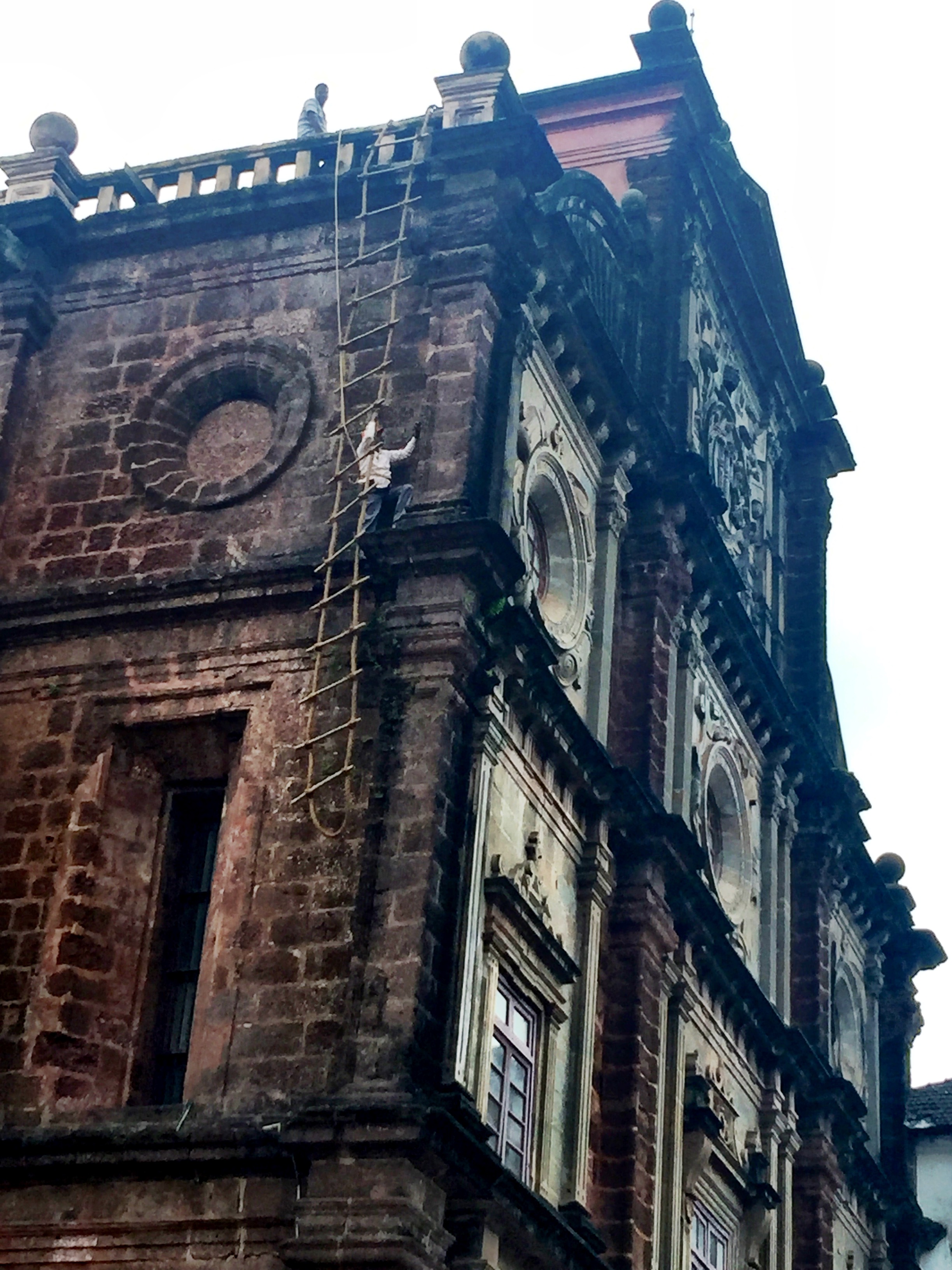
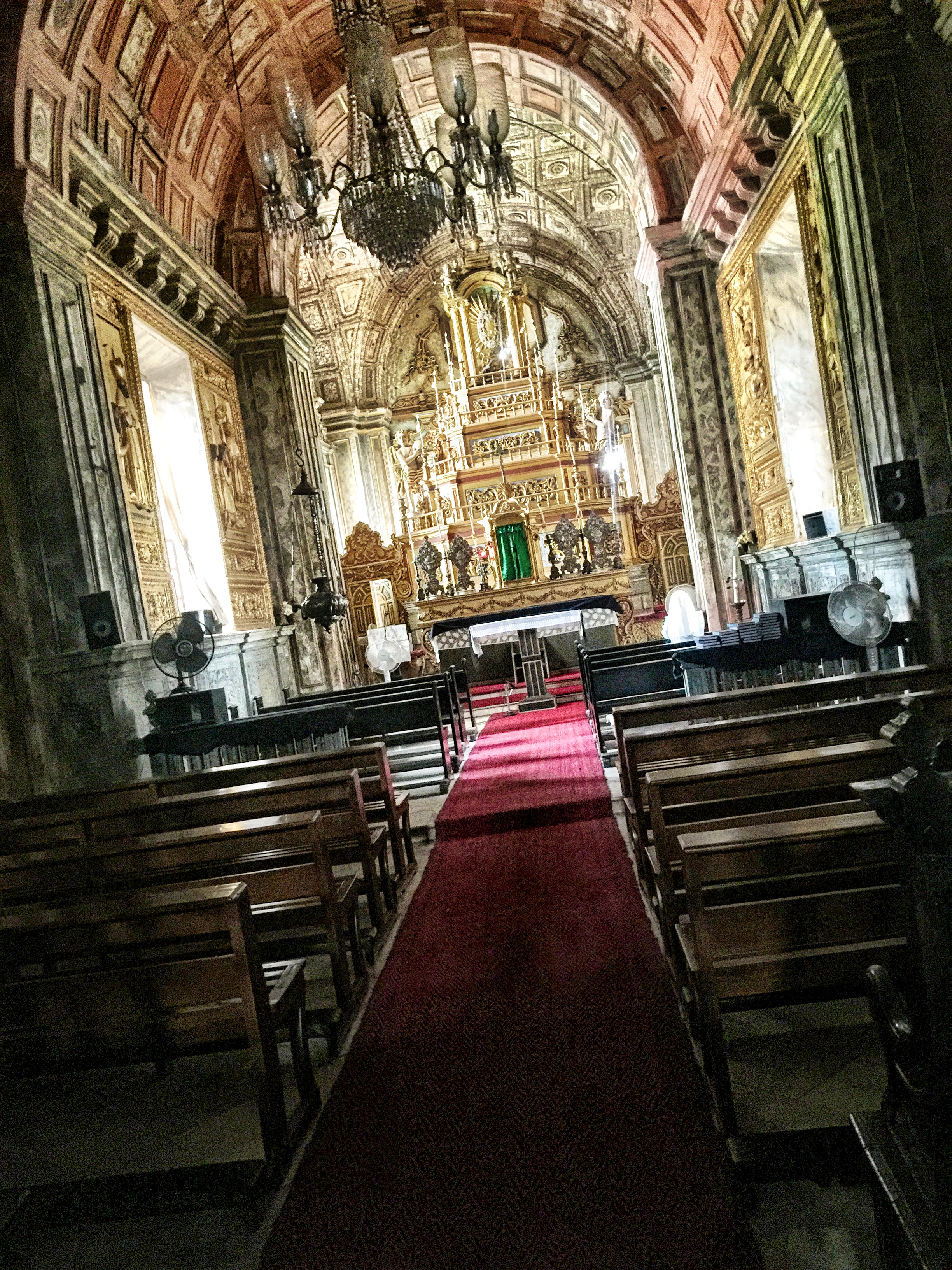
The minute I got in the car for a tour of Goa, the guide starts talking about Augustinian and Jesuit churches and nuns baking Bebinca, and reliquaries and Saint Francis Xavier and how much knowledge came together in the XV century to make all those churches and forts rise and still stand.

image

It is impossible, for me at least, not to feel that those stones and paintings and that relic are part of who I am. They are my cultural DNA.

image

The next day I decide to walk on my own through Fontainhas, the Latin Quarter of Panjim and get lost, as I normally do. Since I have no wifi I ask the girl carrying her dry cleaning carefully wrapped in newspaper where June 18 street is. She walks with me because she is going that way. Where are you from, she asks. I tell her.

image

Eu também falo português (I also speak Portuguese) she tells me.

This is my unfinished journey. Where my sense of belonging comes from.

One is always at home in one’s past…

Vladimir Nabokov

Nostalgia

Movie Inspiration of the Week – India Song (1975)

I’ve forgotten the words with which to tell you. I knew them once, but I’ve forgotten them, and now I’m talking to you without them.
Marguerite Duras, Emily L.

india_song-01


india-song


india-song-1975-07-g


india-song-1975-03


india-2song


india-song2


india-song


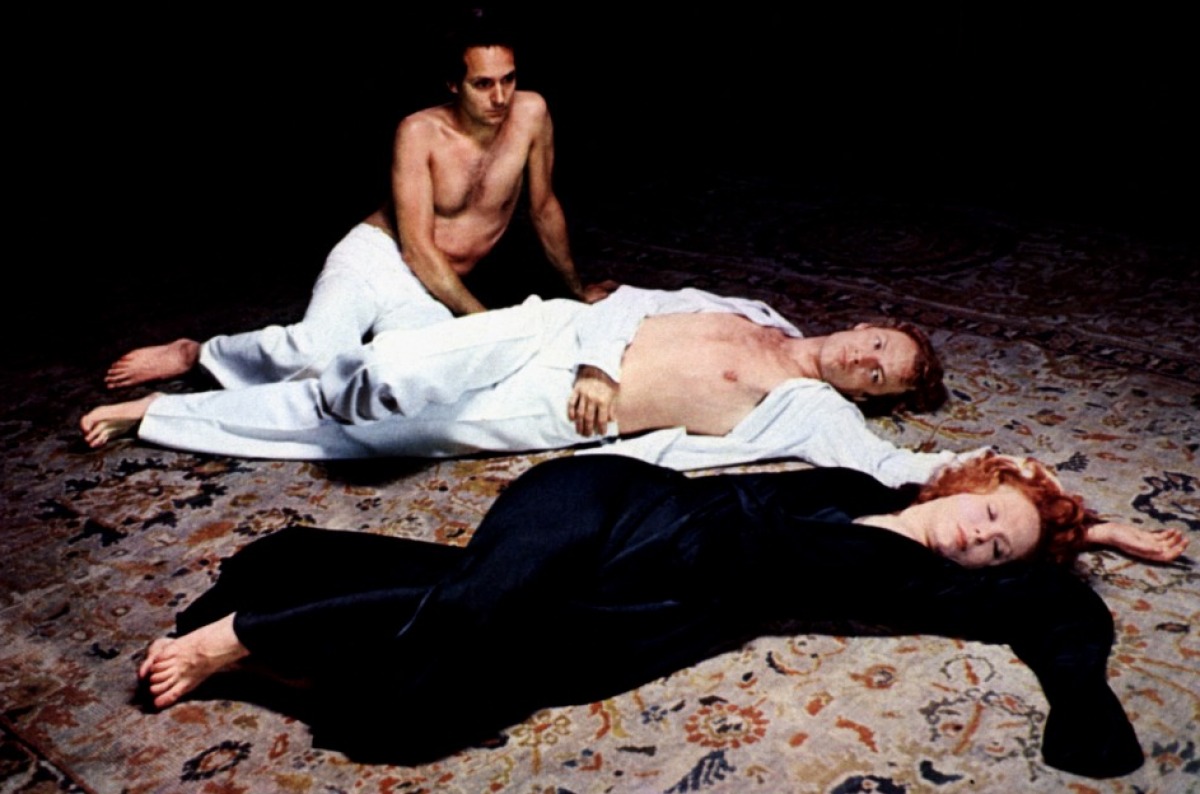
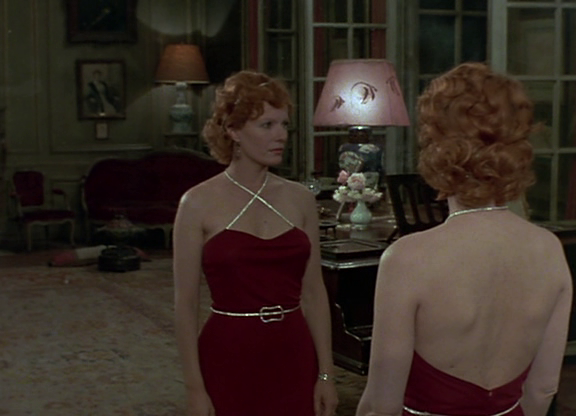
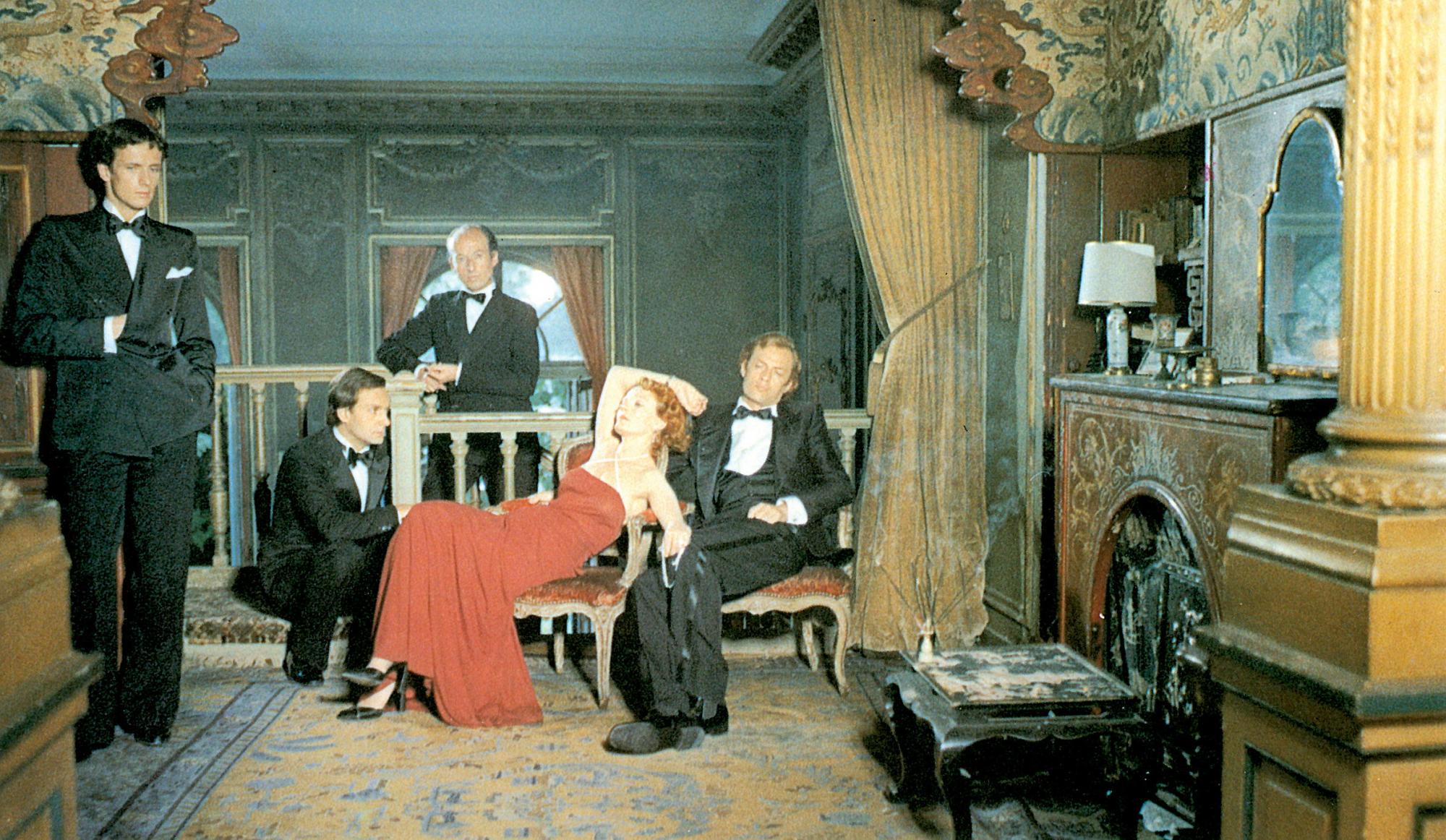
A memory piece that calls up the dead, its heroine, Anne-Marie Stretter (Delphine Seyrig), dances with her lover, Michael Richardson (Claude Mann), in the ballroom of the French Embassy in Calcutta, where her memorial—a photograph, a stick of burning incense, some flowers—is already arranged on the piano. Time folds in on itself in India Song, and space is fractured by the huge mirror that nearly covers one wall so that the reflection of the room is a constant; it is always different, however, from the framing of the room by the camera, whether still or moving. The image created by Duras and cinematographer Bruno Nuytten is at once ghostly and eroticized, so delicately colored that it seems hand-tinted, and the closeness of the air, weighted by the insufferable heat, is palpable. India Song puts all the senses on high alert, and yet it is not in any sense realism. No one would be surprised to learn that it was shot on a set constructed in a crumbling mansion near Paris.

Amy Taubin

india-song_duras_plateau_02_c-jean-mascolo_delphineseyrig_601x456


1_indivan_song_2


indiasong3-1600x900-c-default


india-song-1975-05-g

I’m leaving tomorrow. This is my first trip to India and all the images I have are the ones that never show you India just the dreamlike state of decadence of what has been lost.

india23


Photos and References

http://kebekmac.blogspot.pt/2014/09/duras-1975-india-song.html

The Ghosts of Parties Past: Exorcising India Song


Night train from Lisbon

Almost two hours to go. Still. I’m tired of sitting down and the fluorescent lights and green pleated curtains are making me feel uncomfortable.

This train arrives in Porto around 1 am. Last time I took it someone got electrocuted while climbing on a stationed cargo wagon at the station 20 minutes away from Porto and we ended up arriving at 3. It was a Friday and we all thought someone had just had enough and decided to put an end to whatever was troubling them. No. It was a joke, just for laughs. Saturday afternoon I was told it was the son of a friend. He didn’t die. He must have killed something inside himself.

11.38 pm

Since my writing is not making much sense, I have tried to sleep. It didn’t work. I wonder who chooses colour schemes in public transportation. They’re hideous.

The gentleman sitting across from me is very slim and very tall. He looks bored but not uncomfortable. He has a perfect Greek sculpture nose and thin long fingers. The lady behind him is sleeping. She is wearing a yellow button down shirt, black jeans, brown suede booties and gold lurex socks. That’s where the fantasy is.

There are more people trying to kill time with Samsung smartphones  than iPhones. There are more people wearing Nike than Adidas sneakers. The gentleman with the perfect nose is calling someone named Ana. She looks beautiful on the retina display. Photos always seem to look better on Samsung phones. Maybe I should trade mine for one of those.

There’s a baby dressed like a bunny. His dad is wearing a Hawaiian print t-shirt. His Nikes match the curtains.

station

12.06 am

Coimbra

Please mind the gap between the doors and the platform when alighting the train. 

There’s a young man reading a book. Roberto Calasso’s “The forty-nine steps”. He got bored and put it down. The blonde girl next to me is sleeping using her oriental print satin bomber jacket as a blanket. She must have had a busy summer; both her wrists are covered with music festivals ticket bracelets.  There’s a bleached blonde girl looking like an “it girl” and carrying a fake Vuitton Neverfull MM.

12.23 am

The train stopped. At the end of the car, framed by orange doors, there’s a guy with big white headphones and another bleached blonde girl with very long hair. There’s an older gentleman walking back to his seat. Red polo shirt, khaki shorts and sandals. It rained today.

12.40 am

Aveiro

The perfect nose gentleman is leaving. The three people standing to leave the train at this station are all wearing plaid. Green and white, black and white, red and blue. The guy reading Calasso is now reading Patrick Modiano’s La place de l’étoile.

The girl with the long bleached hair is very beautiful. She looks like a walking mermaid with a tiny nose stud. A lady wearing a pink leather jacket and matching pink studded stilettos walked past.

1.20 am

I fell asleep. The train has finally arrived in Porto. People going to Braga run to platform 1 to make sure they don’t miss the last train home. My black vintage chiffon dress is all crumpled. I feel as dishevelled as Blanche DuBois. Now I know why I bought it.

Here and Now

Horror Vacui

The fear of the empty space, most times understood as “ridiculous to the excess”.

Fantasy, abandoned by reason, produces impossible monsters; united with it, she is the mother of the arts and the origin of marvels. Francisco Goya


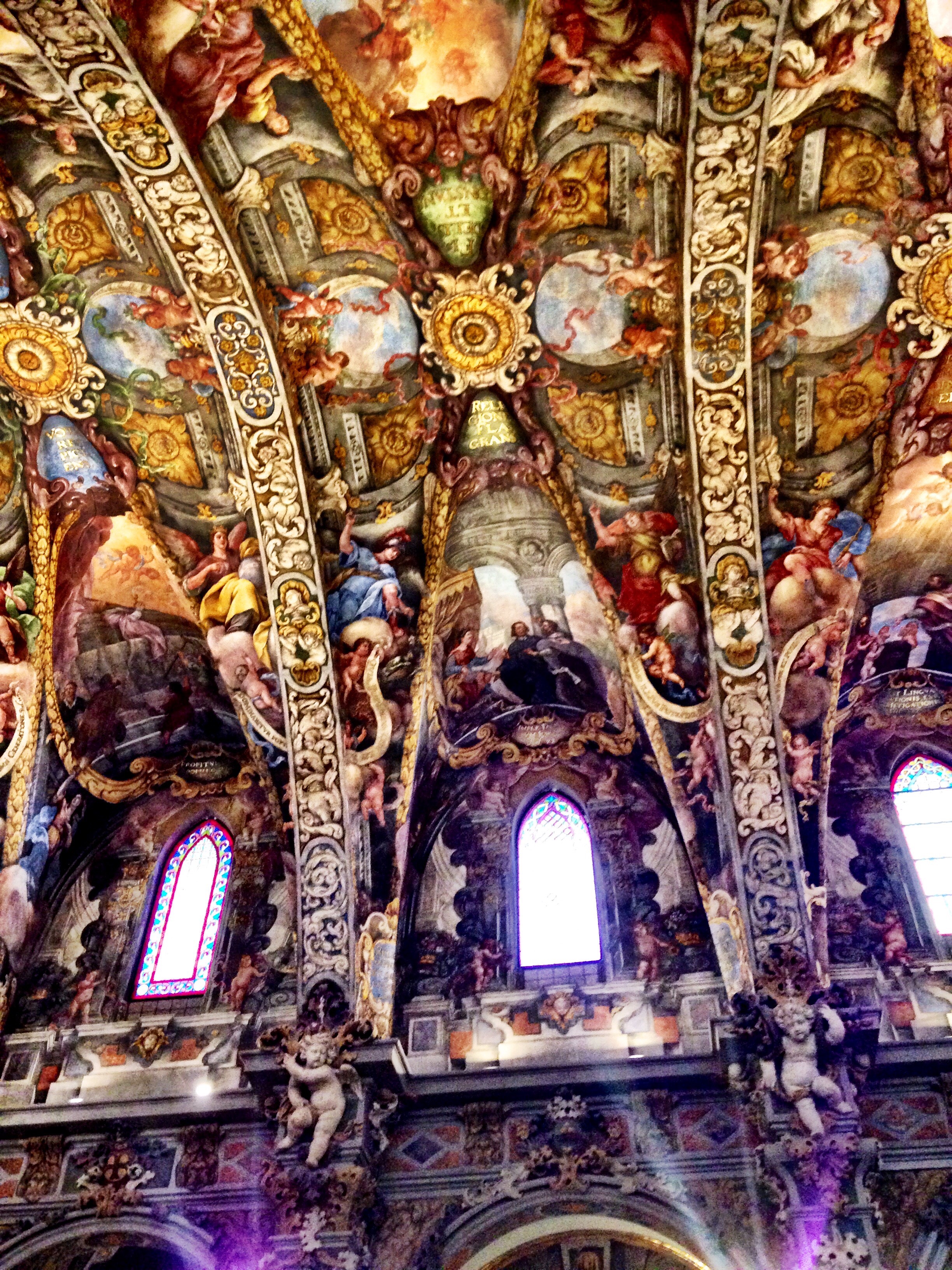
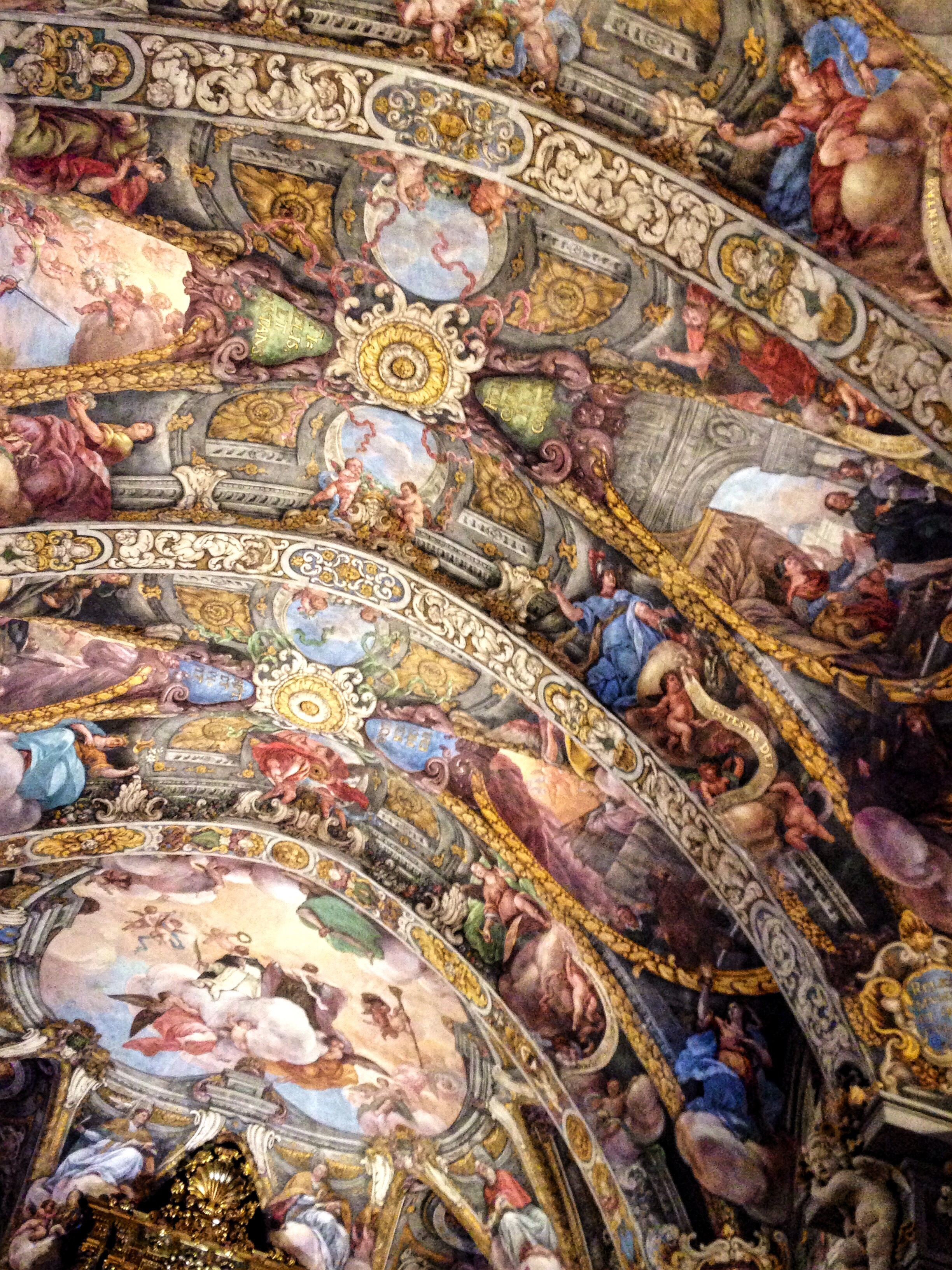
Historically understood as an expression of Catholic Anti-Reformation propaganda, Baroque art is normally understood as lacking the reason and discipline associated with neoclassicism and the sophistication of more refined  mannerism styles. In the 17th century, Baroque emerges in Europe as an extravagant, impetuous reaction against religious wars, the Reformation and the Counter Reformation, The 30 Years War, economic crisis and other ills and plagues form its historical backdrop. Going beyond the balanced and orderly representation of the world, it is an aesthetic of distortion, deception, complexity, and over-elaboration:  the novel inside the novel (Don Quijote [1605 and 1615]), theater inside the theater (Hamlet [c1601]), the painting inside the painting (Velázquez’s Las Meninas [1656] ), mirrors inside mirrors, etc. An emotional response to emptiness and disenchantement.

Leonardo da Vinci’s simplicity as the ultimate sophistication has become the norm in a society overwhelmed my the amount of visual information and material possessions that seem to clutter our minds and dominate our living spaces The claustrophobic in me has tried often times to convert to the minimalist / sophisticated imperative with no success. The maximalist in me can’t resist the emotional drama, radical spirit and aesthetic vertigo of the horror vacui.

Photos (mine) San Nicolás Church in Valencia, Spain,  A Gothic structure invaded by Baroque extravaganza.


References

Radical

Movie inspiration  of the week – Pierrot Le Fou (1965)

Leaving (for now) the Riviera Summer inspiration by means of Godard’s absurdist road movie of feelings versus ideas.

image002

image003

A film is like a battleground: there’s love, hate, action, violence, death. In one word: emotion

image006

image018

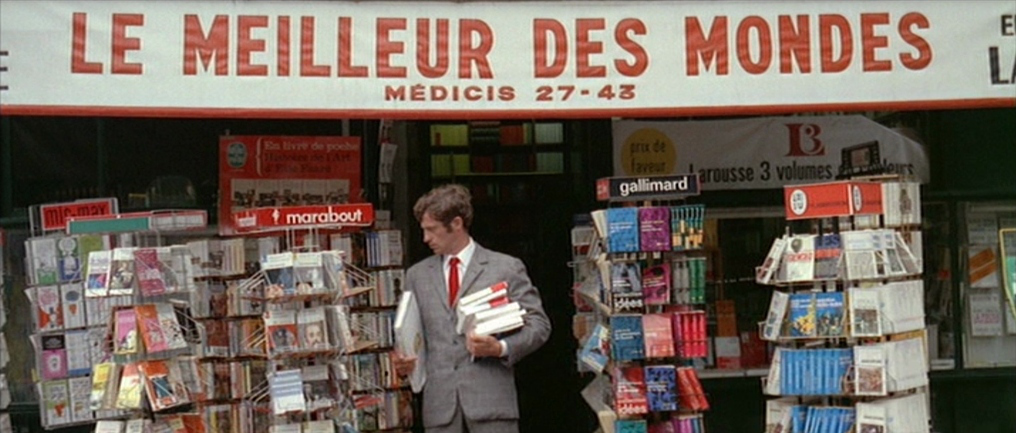
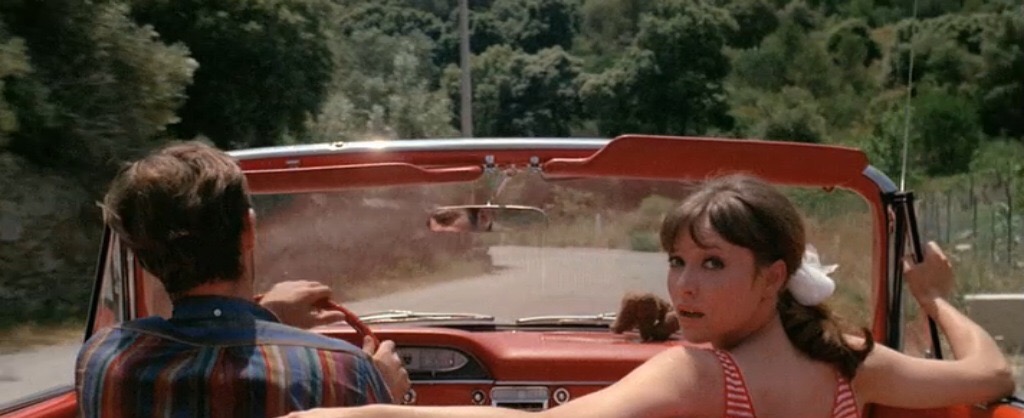
A noir movie in technicolor that follows the adventures of Ferdinand Griffon who is trying to fulfill his vast artistic plans, after losing his corporate job and Marianne Renoir the “ingénue fatale”, the epitome of easy French “girly style”.


Not to write about people’s lives anymore, but only about life—life itself. What lies in between people: space, sound, and color. I’d like to accomplish that. Joyce gave it a try, but it should be possible to do better.

A bittersweet representation of the absurd in our lives in full colour and cinemascope, Pierrot le Fou‘s self-destructive romanticism, the artistic self-consciousness, the frenetically unhinged form, the blend of emotional extravagance and cool self-mocking, the vanished boundaries between irony and sincerity and between symbol and reality is Life as loud as it gets. As an “inspiration”, for me, it goes far beyond the stylish Anna Karina whose style still resonates with designers and taste-makers worldwide.  My muse in this movie is most definitely Jean-Paul Belmondo and his tragic “Yves Klein Pierrot”. No matter what, “being afraid is [still] the worst sin there is”.


As in Le Mépris and Bonjour Tristesse, the Mediterranean is again the landscape of failed aspirations and human suffering but as far as Pierrot le Fou goes, I would have to agree with Michel Cournot , “I feel no embarrassment declaring that Pierrot le fou is the most beautiful film I’ve seen in my life.”


References and photos

Only the Cinema

Pierrot le fou: Self-Portrait in a Shattered Lens

FilmGrab

paintings in Pierrot le fou


On the shoulders of giants

In December 2001 Salman Rushdie visited Porto for one of the final lectures in a series of conferences about the “Future of the Future”.  In 2001 Porto was, with Rotterdam, European Culture Capital  and the discussion of a post future at the end of a year that forever changed the collective perception of our present seemed appropriate. “The Middle Ages trying to destroy the Third Millennium”, he said.

Three months after 9/11 and 12 years after the fatwa on him, Mr. Rushdie walked alone in Porto. No bodyguards. Carefree.

On the last week before Christmas shops in downtown Porto stay open at night for people like me who can’t plan their shopping in advance. As part of our mini-tradition, me and my best friend went out for some late night shopping that December of 2001. We stopped at a deserted Café Majestic for tea. In 2001 there were no lists of “the most beautiful coffee shops in the world”, there were no lines of tourists at the door, there was no Maître d’ trying to bring some kind of order to the process of sitting down. In 2001  you could actually go in and sit and be almost alone. It was late and the gentleman sitting at the far end table by the piano paid his check and got up to leave. As he made his way to the door, Mr. Rushdie walked past our table and looked at the incredulity on my face and winked and left. I was brought up in a house of books, my father is a Literature professor and  meeting or just seeing one of these “giants”in person, still makes me feel as over the moon as a teenage girl coming face to face with her favourite rock star would.

ground

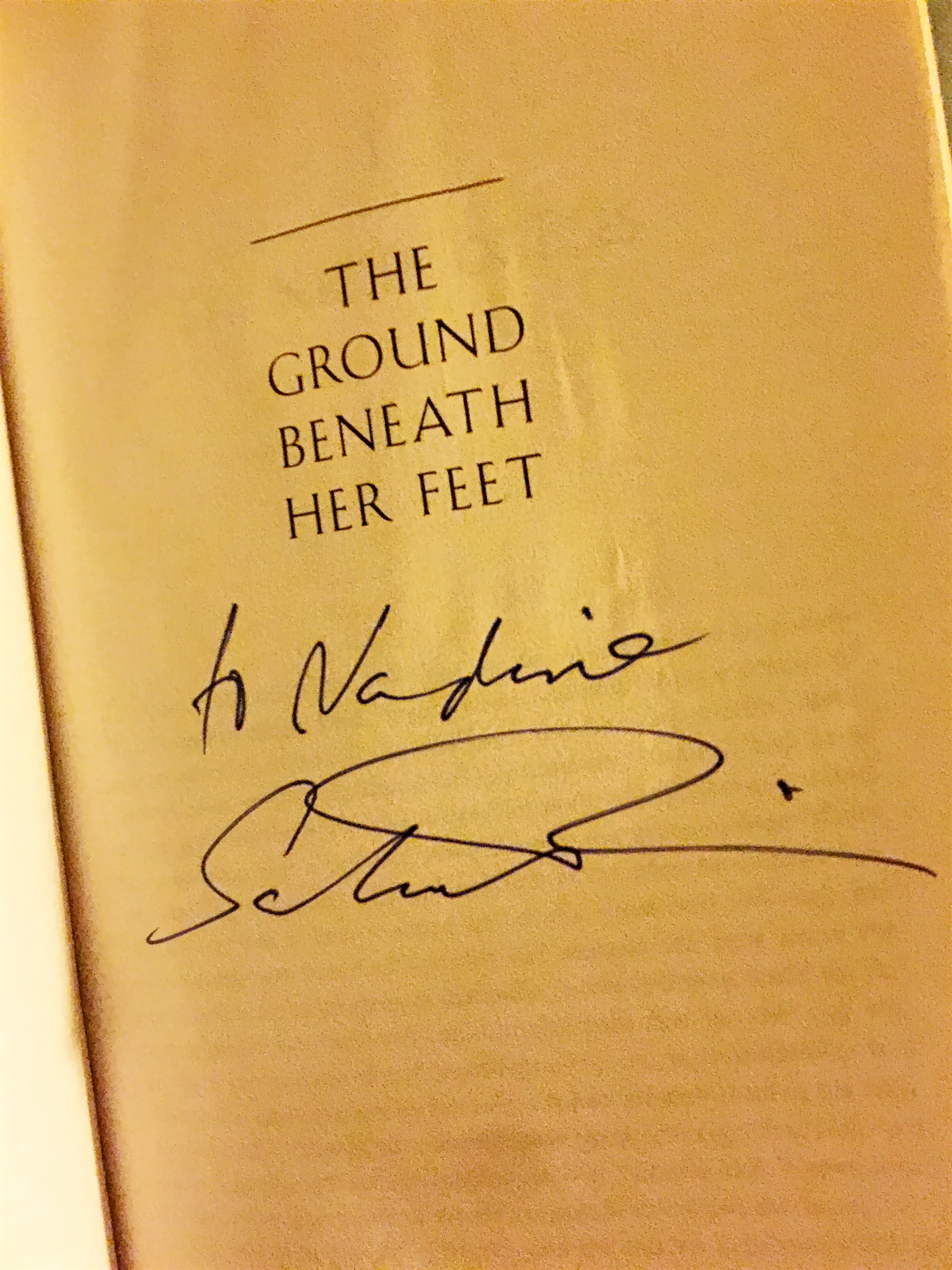
In June 2010 Sir Salman Rushdie was the keynote speaker at a conference I was attending in Kansas City and spoke about freedom and the media and the power of Literature and novelists  “who are able to probe the truth without being beholden to facts.” After his plenary address, I and few hundred others waited in line to have our books signed. Holding my copy of The Ground Beneath Her Feet, I approached his table and didn’t ask him if he remembered that night in December 2001. That was the fantasy conversation going on in my mind.

These line focus on Salman Rushdie because of a cold night in December 2001. They could easily be about Borges, Coetzee, Murakami, Pessoa, Auster, Cortazar, Sontag or many others. These are my superheroes. The ones with no x-ray vision but that are able to pierce into your soul and help you discover yourself. The ones that can’t fly but still make your imagination soar and plant the seed of invincibility in your heart. The fearless ones that keep fighting for their truth in a world that so many times keeps telling us that intellectualism is frivolous as if, paraphrasing Orwell, the only goal was to keep ourselves alive when the ultimate objective should be to retain our humanity. Or as Flexner, ten years before 1984 was published, questioned whether “there would be sufficient opportunity for a full life if the world were emptied of some of the useless things that give it spiritual significance; in other words, whether our conception of what is useful may not have become too narrow to be adequate to the roaming and capricious possibilities of the human spirit.”

img_0660

And because I am not superhero myself, I will keep borrowing the words

The old idea of the intellectual as the one who speaks truth to power is still worth holding on to. Tyrants fear the truth of books because it’s a truth that’s in hock to nobody. It’s a single artist’s unfettered vision of the world. They fear it even more because it’s incomplete, because the act of reading completes it, so that the book’s truth is slightly different in each reader’s inner world. These are the true revolutions of literature, these invisible, intimate communions of strangers, these tiny revolutions inside each reader’s imagination. And the enemies of the imagination, all the different goon squads of gods and power, want to shut these revolutions down and can’t. Not even the author of a book can know exactly what effect his book will have. But good books do have effects and some of these effects are powerful and all of them, thank goodness, are impossible to predict in advance. Literature is a loose cannon. This is a very good thing.

Salman Rushdie, The Power of the Pen

Such is the power of Literature and the super power of writers. They may not be the kind of hero that braves  against the violence of the natural world but they are of the same kind of the ones that “do the useless, brave, noble, the divinely foolish and the very wisest things that are done by man. And what they prove to themselves and to others is that man is no mere creature of his habits, no mere automaton in his routine, no mere cog in the collective machine, but that in the dust of which he is made there is also fire, lighted now and then by great winds from the sky!

References

George Orwell, 1984

Abraham Flexner, The Usefulness of Useless Knowledge

Salman Rushdie, The Power of the Pen

Walter Lippmann, Amelia Earhart – Herald Tribune – 7/8/37


Superhero

Movie inspiration of the week – Bonjour Tristesse (1958)

Costume Designer: Hubert de Givenchy

jean-sebergs-style-bonjour-tristesse-2

When Jean Seberg is on screen you can’t look at anything else. Her every movement is graceful, each glance is precise. The shape of her head, her silhouette, her walk, everything is perfect; this kind of sex appeal hasn’t been seen on the screen.

François Truffaut

Bonjour 4

Contrary to the common practice in this part of the world, I did not go on holiday in August and this is, most obviously, taking its toll on me. I don’t seem to be able to get the French Riviera out of my mind. This week life is back to the black and white tones of reality and Summer has, if not technically, emotionally come to an end.

Screen Shot 2014-07-02 at 15.10.21 1

Bonjour_Tristesse_(1958).avi_snapshot_00.38.08_[2010.09.29_18.46.34]

 I should probably be writing on Otto Preminger’s talents and “virtuosity with CinemaScope framing and three-strip Technicolor” and their use in establishing a clear difference in tone and mood between the wintering, sophisticated Paris present and the sun drenched,  carefree past of Mediterranean summers. 10

BOM DIA TRISTEZA Bonjour tristesse 1958 ~ Jean Seberg ~ 025

Better yet, I should be writing about how Givenchy’s costumes are essential to understand the characters and the changes they go through, specially in the case of Cecile (Jean Seberg). As Barbara Tfank noted, “Givenchy is the customer designer, which is so extraordinary. When you see Jean in the film’s opening,  it’s the most perfect example of fashion and film”.

Screen Shot 2014-07-02 at 15.21.29

bonjour-tristesse-222

But, as with Le Mépris, this a film I feel a strong emotional connection to. This is the film responsible for almost 10 years of wearing a pixie cut. Cecile inspired my visit to Monaco and my self styled movie fantasies while strolling inside the Monte Carlo Casino almost by myself. Said self styling was, fortunately, enough to convince the Maitre d’ that I was not a regular tourist.

tumblr_o9wjqq8Qco1qzxeqqo1_500

In its bittersweetness, it keeps reminding me that Summer inevitably comes to an end.

References and photos

Fashion and Film at the TCM Film Festival: Getting Audrey Hepburn, Kim Novak & Jean Seberg in Character

Well, Hello Bonjour Tristesse

Sunday Matinee, Bonjour Tristesse

Ferdy on Films

Films I Love #3: Bonjour Tristesse

Seduced by Bonjour Tristesse

At the end of the sidewalk 

I like cities where you can walk almost everywhere. In my case this would be almost any city I have ever visited. I have walked an average of 10 km a day in Barcelona, New Orleans and Boston. I have walked along the river in Dubai under a blazing 49 degrees Celsius. I have walked the boarder to get to Tijuana and walked around the city trying to look relaxed. I used to walk home both in Porto and London so I didn’t need to cope with overcrowded buses or subways. I have walked in  Los Angeles and got lost around Chinatown trying to walk back to somewhere. I had to follow a couple of tourists with a map in Venice after getting irremediably lost walking along narrow alleys. I can’t read maps.

I have walked all the way from downtown Atlanta to Georgia Tech even though there were no real sidewalks. Where Atlanta did have sidewalks, me and some friends where told by a screaming police officer that we couldn’t just stand there waiting for a cab. We were loitering. It was a new word in my English vocabulary, describing some kind of illegal activity that I didn’t even know I was engaging in. All four of us that night, waiting for a taxi to show up after our farewell dinner, had grown up in countries with past military or other forms of dictatorships. We all remembered stories told by our grandparents or parents about how it was forbidden to stop on the sidewalk for a chat just in case it would turn out to be some kind of conspiracy. It stroke us as really odd that this was happening to us in Atlanta.

In Porto, sidewalks have become wider, probably because the city got used to being voted “best destination” of this and that over the past few years. Wider sidewalks accommodate more tourists and make people feel safer. They are, I suppose, also more efficient, there’s more space to move quicker. According to James Petty, “all urban architecture or urban design has a level of control built into it,” pedestrian crossings and sidewalks exist to  guide the behavior of the public. The sidewalks in Brasilia have no corners. This avoids impromptu meetings that could disrupt the efficiency of the city.


I had never really thought about this before Atlanta. I’m absolutely urban, I have tried to live in the countryside for a few months and even though I enjoyed the quietness, I also missed the noise and the people and the new discoveries you make when you experience a city, your own or somebody else’s, just by walking. Even if there’s no sidewalks. It’s just easier to be a dilettante walker when the sidewalks are there. You don’t really get to understand where you are just driving around getting from point A to B. Walking allows you to stop and look, it creates a common space and it helps to experience cities beyond their efficiency, just as places of history and stories. I like cities, I like their “inclusive” character but, as Petty also notes, “you’ve got a point where that kind [urban planning] of controlling becomes direct, explicit, and targeted against certain groups and not others.” Cities with sidewalks still seem to avoid this, at least they make you feel more welcome.

Photos: my own

Sidewalk