So this was Christmas

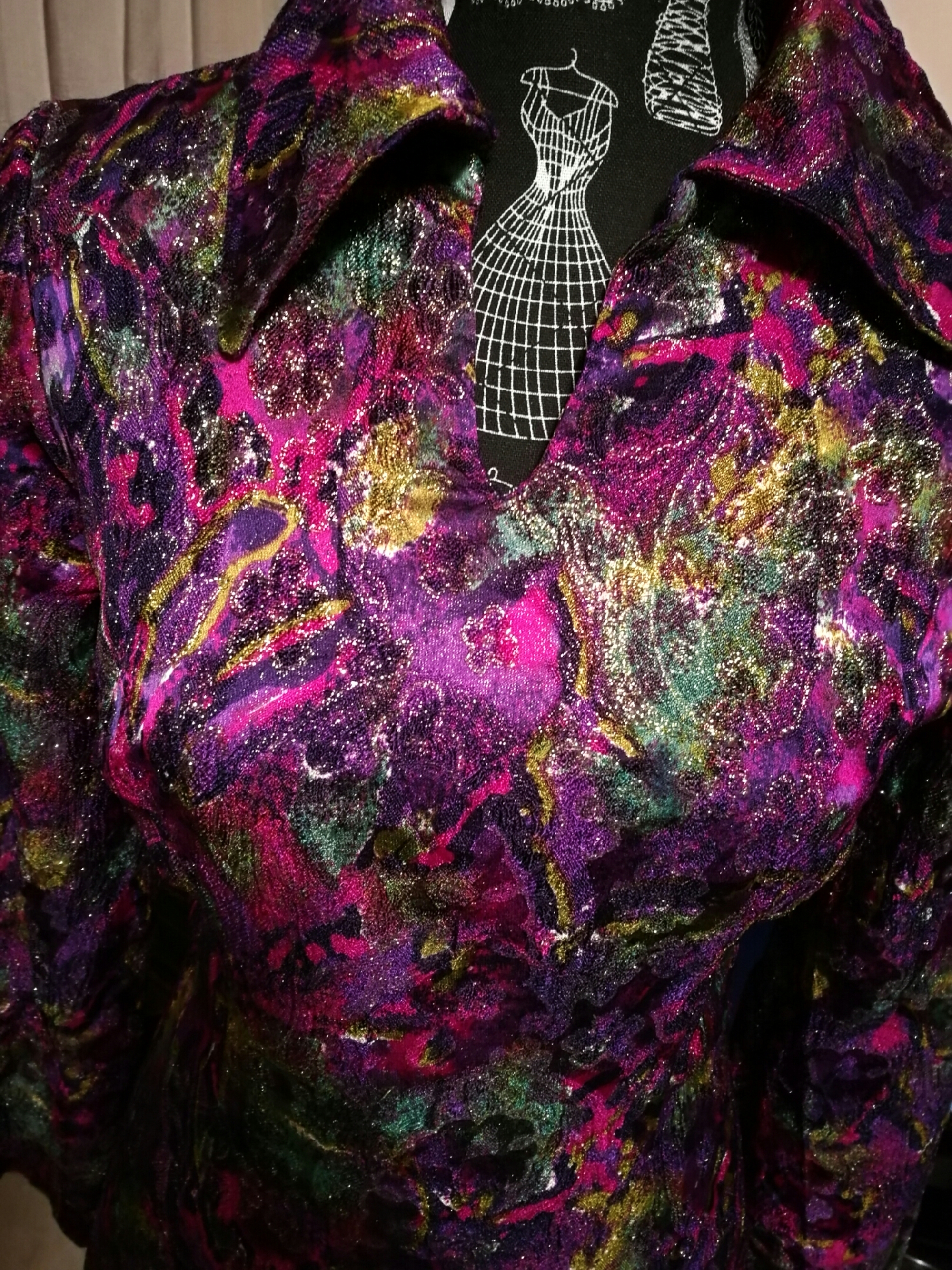
Last year Christmas was at my parents’ and I showed up extremely overdressed in a 70s brocade hostess dress. That was the movie in my head.
Since my grandmother and my great-aunt died, Christmas was put on suspension until it somewhat became unimportant and almost meaningless.

This year, my parents decided to go on holiday so for me there was no family dinner, no dressing up. It was grand.

On the morning of the 24th I followed the Butcher’s Brass Band through downtown Porto.

Butcher’s Brass band from Stella on Vimeo.

In the afternoon I visited a friend who ended up spending her Christmas in hospital. I don’t think she actually wanted to see people.

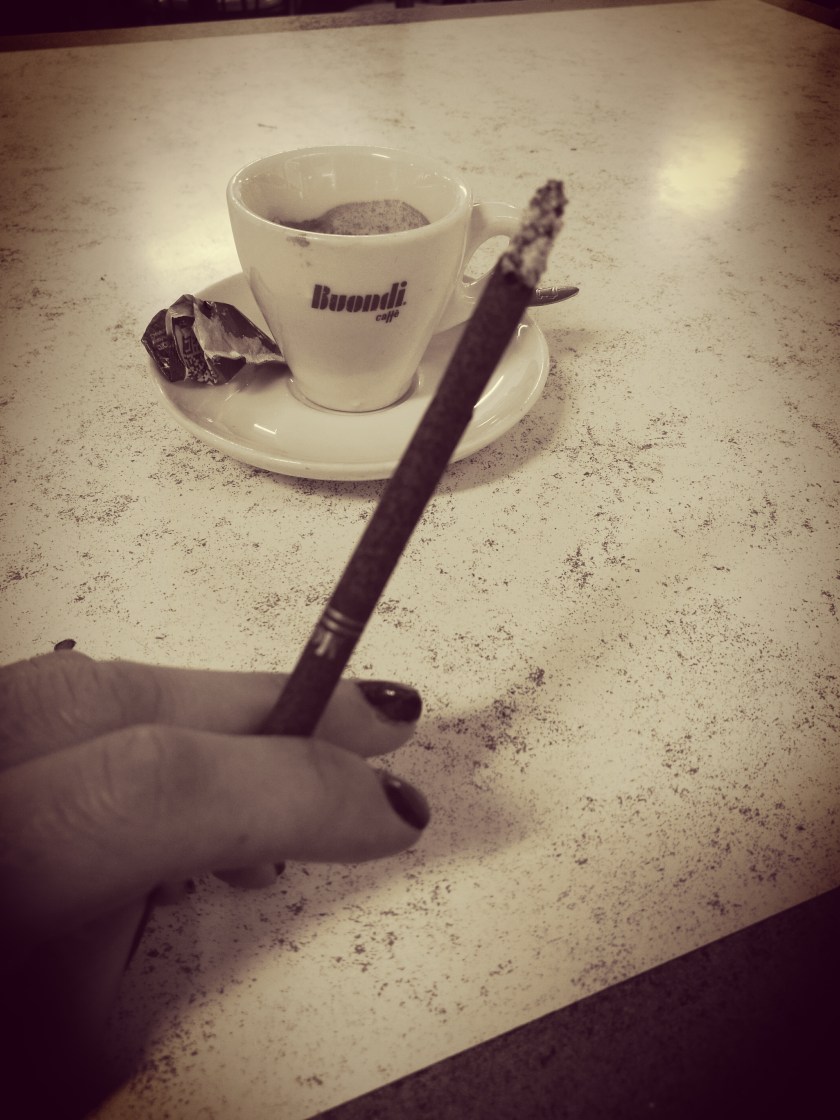
I only managed to meet by best friend for coffee after 5 p.m. We had to go to the train station, everything else was already closed. There’s a nice franchise place pretending to be real where you can have all sorts of complicated caffeinated beverages. There’s a lady with a little blonde girl sitting at the table next to ours. The little girl smiles at me and I smile back. She gives me a raisin. I thank her in French and her grandmother is happy she can ask for help with the tickets. Our French is not good but seems to work. I give the little girl a tissue printed with cats. She looks happy and tells us she has kittens at home. They’re from Belgium and are traveling to Aveiro to spend Christmas with the little girl’s uncle and his family. They leave.

loios

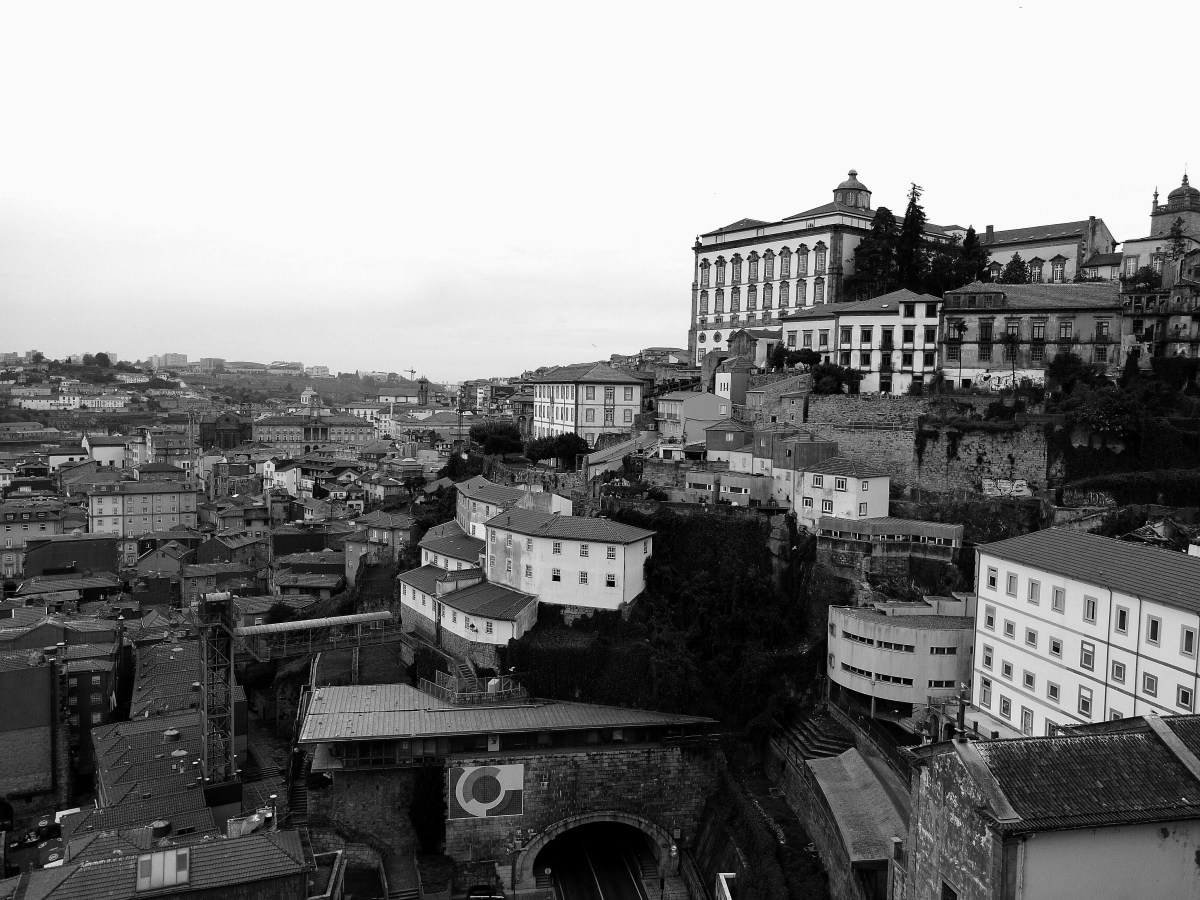
We go out to  check the fancy Alumia project “created to bring a new light into the Historic Centre of Porto and celebrate its 20th anniversary as World Heritage.” It looks much better on the website. At least the installations we managed to see. You can never believe what you see in photos.

statement
This is the one I was looking forward to see because I do spend a considerable amount of time looking for walls that make a statement. By artist Tiago Casanova the tiled wall stands where the ” Fernandina Wall” used to stand, by creating a visual barrier, it “evokes reflection over freedom and timeless building of social and economic walls.” I spent most of the year looking for walls with statements.

make-porto-podre-again


Still, it’s nice to walk on empty streets.

xmas

We had dinner at home. Not the traditional Christmas dinner, just nice and only for two. I watch old Hitchcock Presents episodes. Only one is about Christmas. I’m waiting for midnight to open my presents but I remember that when I was a kid at my grandparents we used to wait until Christmas morning. I decide to do that instead.

The coffee shop by us was opened, we have coffee and go for a drive. The day is sunny and bright and the sea has a beautiful silver reflection. We drive the long way to get to my brother’s for lunch. Everyone is paying attention to their phones and Whatsapp family group to have news of the baby waiting to be born. Poor kid, having a birthday at Christmas. It will never be about him.Conversations jump from being in labor to newborns to faith and DNA and genetic manipulation.

casablanca
Back at home, the marathon of classic movies is still on, Gilda, The King and I, Casablanca, 8 1/2.

The Washington Post news alert tells me, at 11.31 p.m., that George Michael has died. I look at the screen in disbelief. Yes, I’m sure that 1914 and 1939 were much worse than 2016 but this year just seems to be wiping out history as I knew it, taking talent away, leaving a selfish sense that yes, no matter how much you pray for time, you just see your youth disappearing.

I remember the first brand new car I ever got, a dark blue Wolkswagen Polo with a CD player that eventually got stolen. The guy at the car dealer gave me “Listen withouth prejudice” so I could drive away with music.

listen

The new baby held on until 5.30 this morning. I guess he just wanted his own day.

This was Christmas. It’s over. We don’t do Boxing Day in Portugal


Festive

It’s not courage, it’s elegance

The only thing I like about the month of December is the circus at Coliseu.

Not the clowns. But the confirmation that we are meant to fly.

References

António Lobo Antunes

Anticipation

Maybe it could be different


img_1380


It’s Not This Time of Year Without… insane traffic, crowded shopping malls, the premature  stress of shopping and last minute to-do lists enhanced by premature decorations,accelerated consumption, marketing created traditions, the same songs playing in loop, awkward get-togethers and the promises that next year, yes, next year it will be different.

Night train from Lisbon

Almost two hours to go. Still. I’m tired of sitting down and the fluorescent lights and green pleated curtains are making me feel uncomfortable.

This train arrives in Porto around 1 am. Last time I took it someone got electrocuted while climbing on a stationed cargo wagon at the station 20 minutes away from Porto and we ended up arriving at 3. It was a Friday and we all thought someone had just had enough and decided to put an end to whatever was troubling them. No. It was a joke, just for laughs. Saturday afternoon I was told it was the son of a friend. He didn’t die. He must have killed something inside himself.

11.38 pm

Since my writing is not making much sense, I have tried to sleep. It didn’t work. I wonder who chooses colour schemes in public transportation. They’re hideous.

The gentleman sitting across from me is very slim and very tall. He looks bored but not uncomfortable. He has a perfect Greek sculpture nose and thin long fingers. The lady behind him is sleeping. She is wearing a yellow button down shirt, black jeans, brown suede booties and gold lurex socks. That’s where the fantasy is.

There are more people trying to kill time with Samsung smartphones  than iPhones. There are more people wearing Nike than Adidas sneakers. The gentleman with the perfect nose is calling someone named Ana. She looks beautiful on the retina display. Photos always seem to look better on Samsung phones. Maybe I should trade mine for one of those.

There’s a baby dressed like a bunny. His dad is wearing a Hawaiian print t-shirt. His Nikes match the curtains.

station

12.06 am

Coimbra

Please mind the gap between the doors and the platform when alighting the train. 

There’s a young man reading a book. Roberto Calasso’s “The forty-nine steps”. He got bored and put it down. The blonde girl next to me is sleeping using her oriental print satin bomber jacket as a blanket. She must have had a busy summer; both her wrists are covered with music festivals ticket bracelets.  There’s a bleached blonde girl looking like an “it girl” and carrying a fake Vuitton Neverfull MM.

12.23 am

The train stopped. At the end of the car, framed by orange doors, there’s a guy with big white headphones and another bleached blonde girl with very long hair. There’s an older gentleman walking back to his seat. Red polo shirt, khaki shorts and sandals. It rained today.

12.40 am

Aveiro

The perfect nose gentleman is leaving. The three people standing to leave the train at this station are all wearing plaid. Green and white, black and white, red and blue. The guy reading Calasso is now reading Patrick Modiano’s La place de l’étoile.

The girl with the long bleached hair is very beautiful. She looks like a walking mermaid with a tiny nose stud. A lady wearing a pink leather jacket and matching pink studded stilettos walked past.

1.20 am

I fell asleep. The train has finally arrived in Porto. People going to Braga run to platform 1 to make sure they don’t miss the last train home. My black vintage chiffon dress is all crumpled. I feel as dishevelled as Blanche DuBois. Now I know why I bought it.

Here and Now

At the end of the sidewalk 

I like cities where you can walk almost everywhere. In my case this would be almost any city I have ever visited. I have walked an average of 10 km a day in Barcelona, New Orleans and Boston. I have walked along the river in Dubai under a blazing 49 degrees Celsius. I have walked the boarder to get to Tijuana and walked around the city trying to look relaxed. I used to walk home both in Porto and London so I didn’t need to cope with overcrowded buses or subways. I have walked in  Los Angeles and got lost around Chinatown trying to walk back to somewhere. I had to follow a couple of tourists with a map in Venice after getting irremediably lost walking along narrow alleys. I can’t read maps.

I have walked all the way from downtown Atlanta to Georgia Tech even though there were no real sidewalks. Where Atlanta did have sidewalks, me and some friends where told by a screaming police officer that we couldn’t just stand there waiting for a cab. We were loitering. It was a new word in my English vocabulary, describing some kind of illegal activity that I didn’t even know I was engaging in. All four of us that night, waiting for a taxi to show up after our farewell dinner, had grown up in countries with past military or other forms of dictatorships. We all remembered stories told by our grandparents or parents about how it was forbidden to stop on the sidewalk for a chat just in case it would turn out to be some kind of conspiracy. It stroke us as really odd that this was happening to us in Atlanta.

In Porto, sidewalks have become wider, probably because the city got used to being voted “best destination” of this and that over the past few years. Wider sidewalks accommodate more tourists and make people feel safer. They are, I suppose, also more efficient, there’s more space to move quicker. According to James Petty, “all urban architecture or urban design has a level of control built into it,” pedestrian crossings and sidewalks exist to  guide the behavior of the public. The sidewalks in Brasilia have no corners. This avoids impromptu meetings that could disrupt the efficiency of the city.


I had never really thought about this before Atlanta. I’m absolutely urban, I have tried to live in the countryside for a few months and even though I enjoyed the quietness, I also missed the noise and the people and the new discoveries you make when you experience a city, your own or somebody else’s, just by walking. Even if there’s no sidewalks. It’s just easier to be a dilettante walker when the sidewalks are there. You don’t really get to understand where you are just driving around getting from point A to B. Walking allows you to stop and look, it creates a common space and it helps to experience cities beyond their efficiency, just as places of history and stories. I like cities, I like their “inclusive” character but, as Petty also notes, “you’ve got a point where that kind [urban planning] of controlling becomes direct, explicit, and targeted against certain groups and not others.” Cities with sidewalks still seem to avoid this, at least they make you feel more welcome.

Photos: my own

Sidewalk

At home with Fátima

I first started buying vintage and second-hand clothes while I was studying in England, when I moved back to Porto, after spending a couple of months in Mozambique, I met Orion (António Júlio). I remember him driving some sort of purple American convertible when I was still in high school and being mesmerized at this dark glamorous kind of Gothic urban cowboy and his entourage. Entering Amsterdam Underground, at the time on the first floor of the (now) iconic Centro Comercial Stop , I felt like an intruder arriving home. I was not Gothic, or underground but the empathy and the sense of belonging was immediate. I have spent many hours there, preparing for possibilities, sharing outrageous eccentric dreams and plans to transform a dormant city into a rainbow, checking architectural plans for his castle up North, admiring the stained glass that would decorate the windows, lusting after the Afghan rug coat that survived the 70s pilgrimage to Kathmandu and, again, missing a life that had not been mine.

In 2012 António Júlio died. Orion didn’t because constellation stars never burn out.


Being unique and unrepeatable, António Júlio had this ability to jump generations, to go against the norm, to insist, to create diversity by making our urban routes  amazing, and surprising . It is the sum of lives like this, in different areas, which make the wealth of cities

David Pontes


Fátima I met when her store, Rosa Chock Vintage,  looked like a psychedelic cloud at Rua Oliveira Monteiro, close to my former high school. I bought an amazing green 80s batwing leather jacket that still lives in my closet and gets a lot of compliments every time I wear it. “It looks so vintage” said the girl behind the counter at the coffee shop. Well, it actually is.


Fátima’s store then moved to Rua do Almada at the center of Porto’s new life but it kept it’s difference. It was never about following the retromania hype of curated new stores made up to look old and selling imaginary “retro vintage” items.


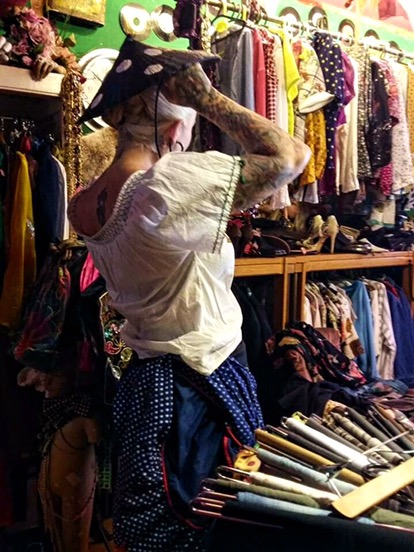
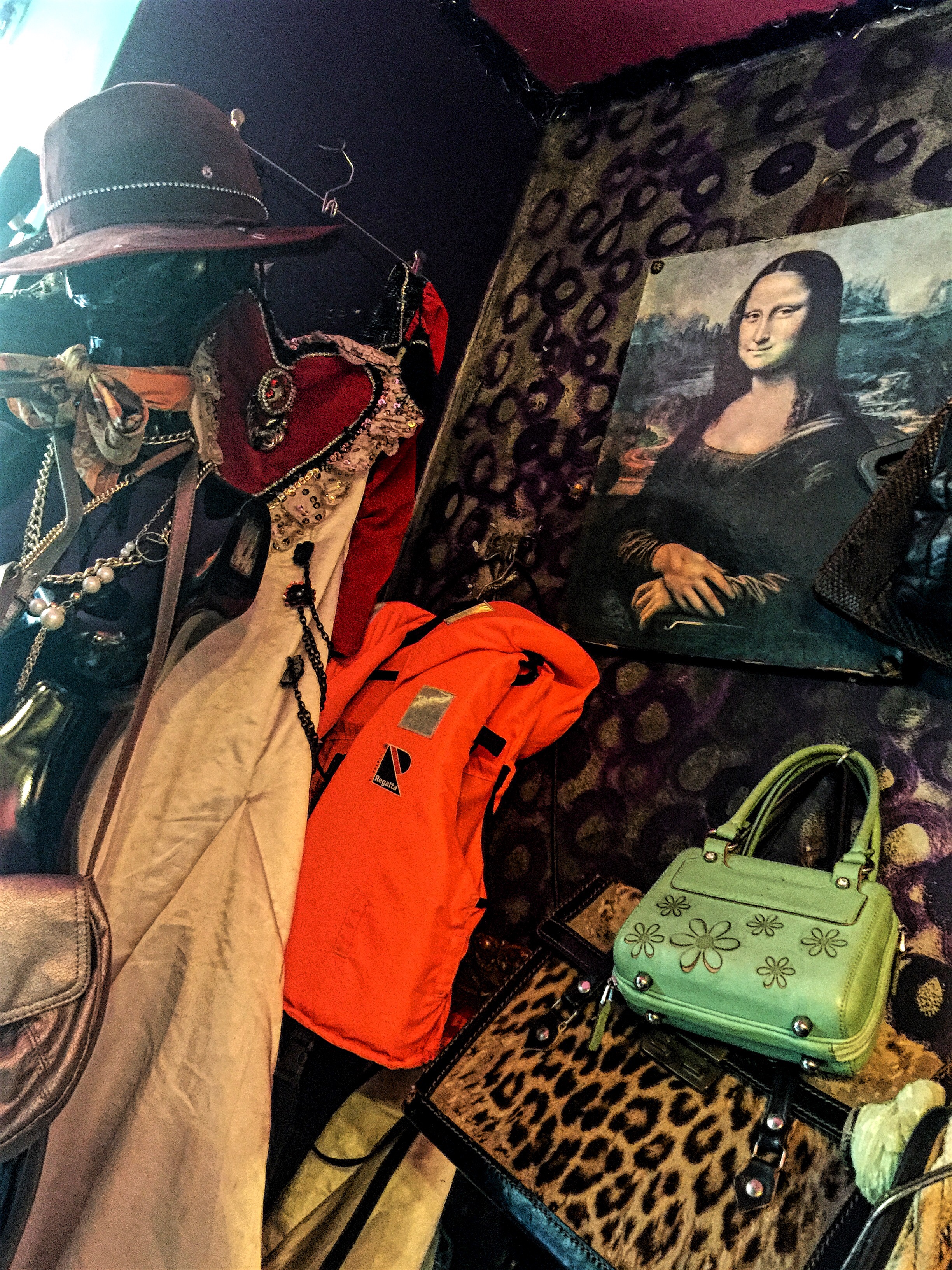
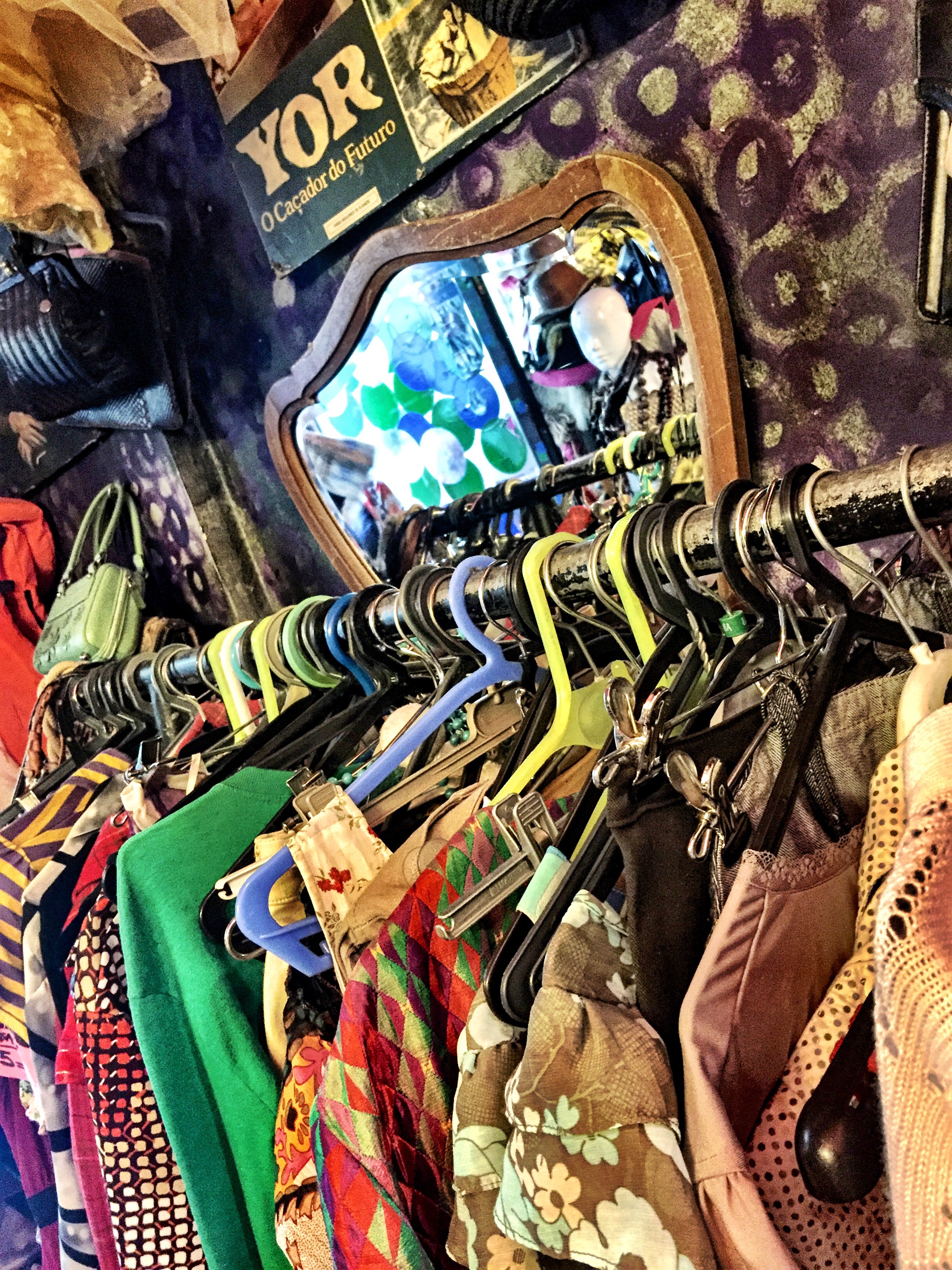
Fatima’ s store, now at Rua Formosa, is curated to the T. Curated for each individual that crosses her door and shares her love for detail and her passion for clothes with history ready to be used in new life stories. Curated for treasure hunters who enjoy the apparent chaos of the hundreds of scarves and necklaces and dresses and sequined tops and ruffles and leopard prints and stuffed animals and the old movie advertising posters bought from Orion.


Curated for all of us that still believe that a wardrobe door can be opened to enter a different dimension.


Fátima is a true vintage dealer who has worked with clothes all her life. She knows what she is selling, she knows the history, the context and she knows that clothes are never just clothes.  Like Gaultier, she knows that they are about “what you look like, which translates to what you would like to be like.”


A common friendship and a common sense of loss make me feel at home with Fátima at her larger than life albeit tiny shop but it is her expert eye, her understanding of how to match the right piece to what I have dreamed for myself that keeps me coming back. And this always feels like the truth.


Photos:

Featured image from: http://rgp-journal.ru/users/Amsterdam_Underground/page/1

Photos 3 and 7  courtesy of Fátima Leite

All others, my own

Expert

My eternal to do list

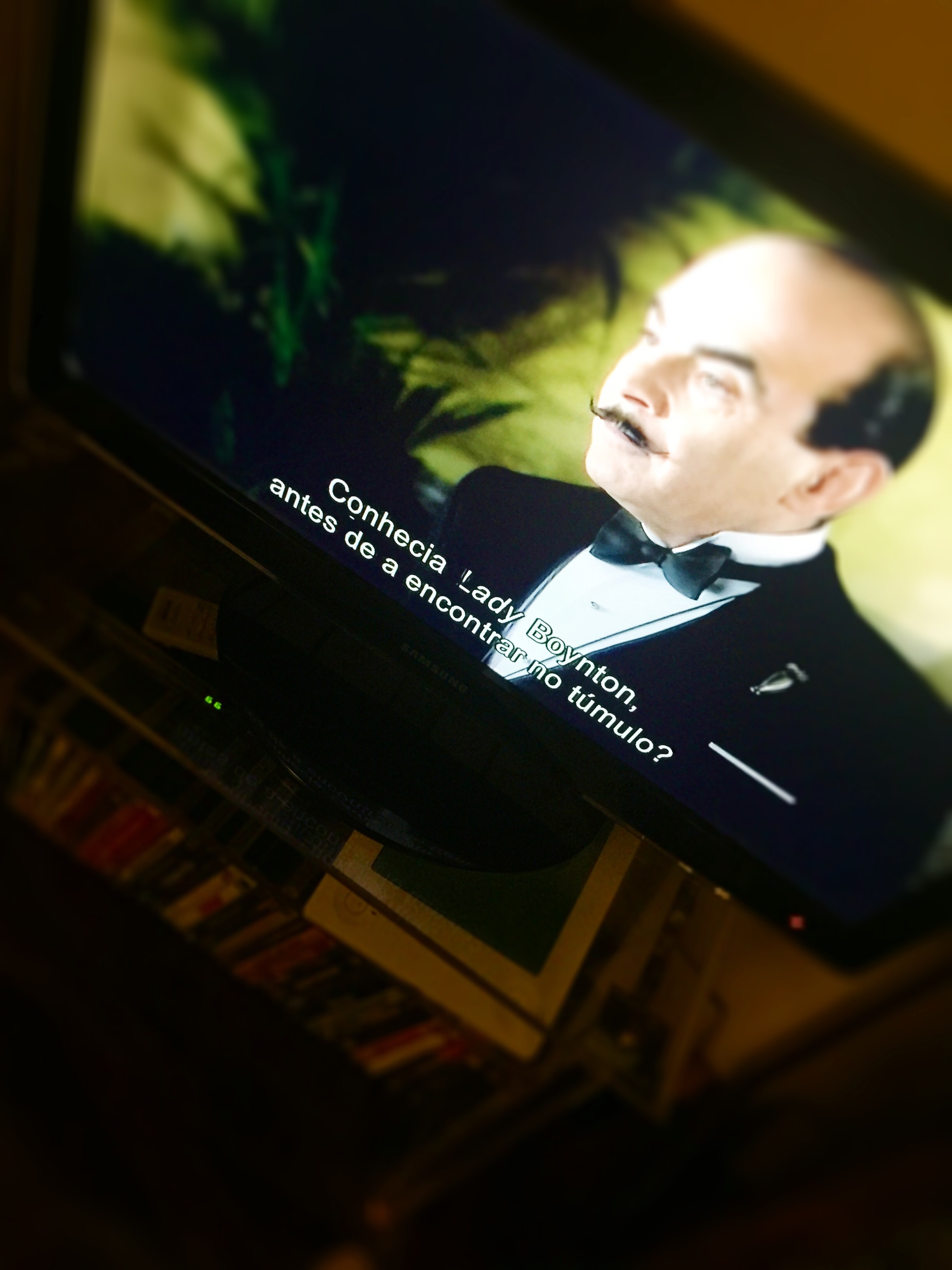
One day I’ll stop watching Poirot reruns and start organizing.


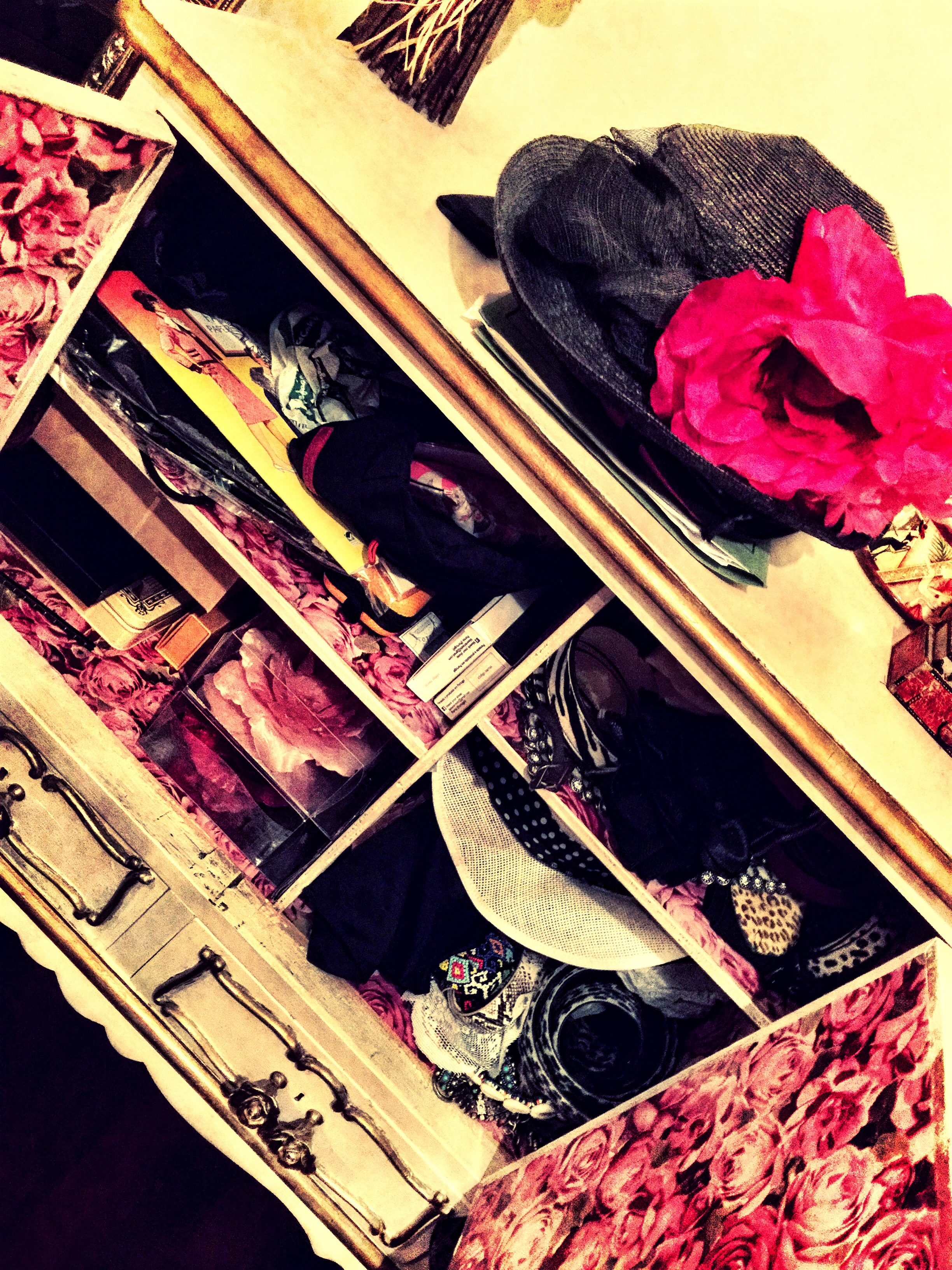
I will tame  the chaos after finally putting to use hours of reading “how to declutter” posts.


I will give my closets the professional organizer treatment and end up with a curated wardrobe of classical pieces.


I will stop buying every piece of vintage luggage that crosses my path because I will not need the extra storage space anymore.


I will keep only what is necessary.


And will try to convince myself that minimalism is sexy.


I will stop trying to keep all the things my granddad used to collect.


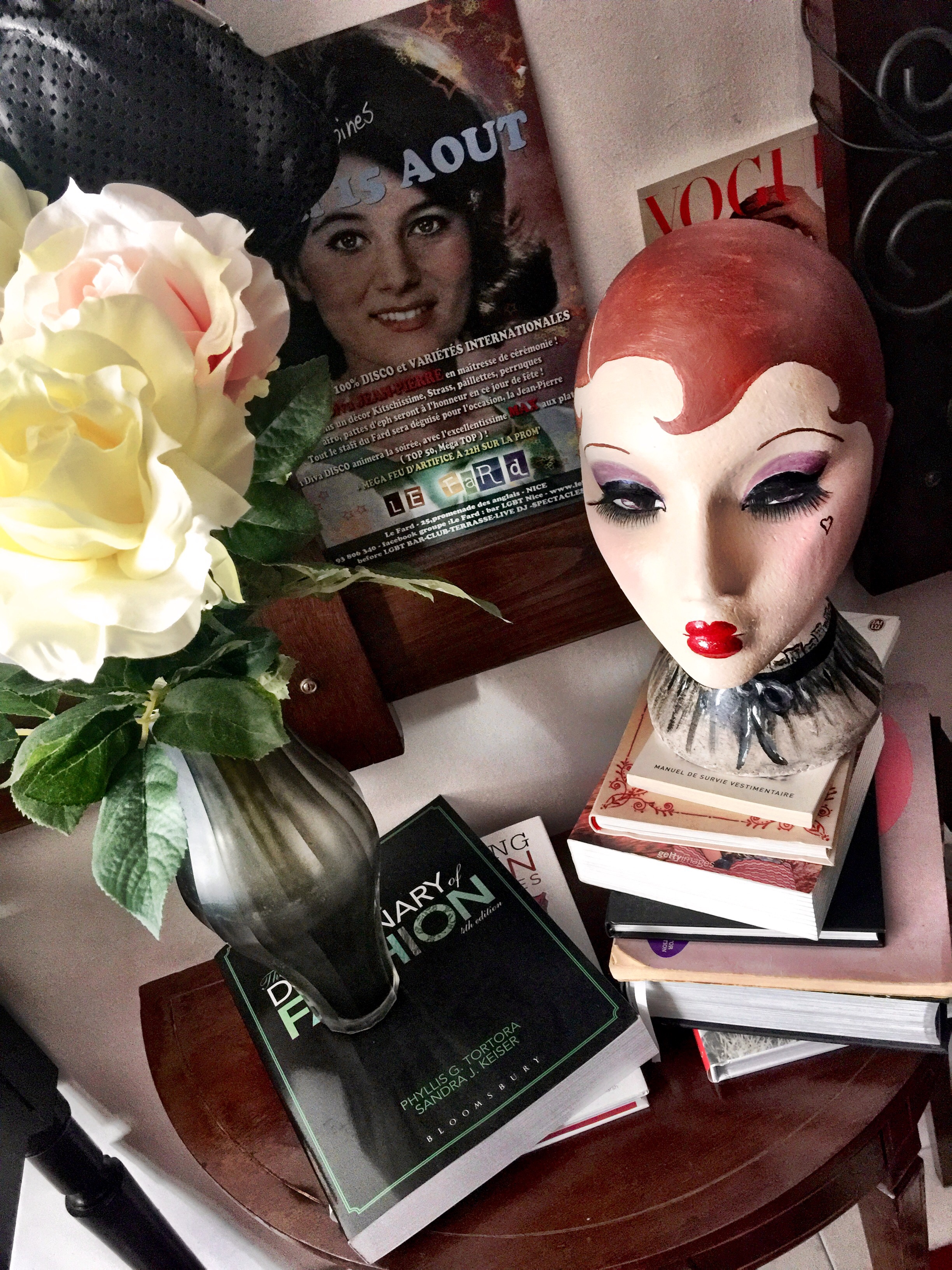
And after I have managed to strip my life off all the frivolity , I will finally have the time to read all the books lying around.


I have never crossed any item of this to do list. Either because I’m too lazy or too busy procrastinating.


Or because I can’t force my maximalist nature to become something else and pretend I don’t find beauty in the poetry of everyday chaos.


The Poetry of List-Making

Things I do when procrastinating 

I’m  the worst procrastinator I know. I do write do to lists and visualize results and even tried to follow one or more of the popular productivity methods and tools out there and have read countless articles and posts on how to beat procrastination to no success.

Things linger until the last minute because “performing better under pressure” seems  to be my favourite excuse. Things get done but the end result is seldom as good as it could or should be. My flat mate at university used to say I was a “perfectionist afraid of perfection”. This was, of course, only a polite or kind way of stating the obvious. I was, and still am, a typical procrastinator. I avoid what has to be done. I put off projects and beginnings because the optimal conditions are never present, they will materialize tomorrow. Or Someday,  which, according to me, actually seems to be a weekday.

I am the kind of person that thinks I can do it all even if, at the same time, I am pretty sure that I am incapable of doing anything at all. Reading   James Surowiecki’s  article Later – What does procrastination tell us about ourselves?,  I was thrilled to discover myself in one of the paragraphs:

Lack of confidence, sometimes alternating with unrealistic dreams of heroic success, often leads to procrastination, and many studies suggest that procrastinators are self-handicappers: rather than risk failure, they prefer to create conditions that make success impossible, a reflex that of course creates a vicious cycle.

Just like General McClellan, I excel at planning. Realizing – making those plans  “real” – is not something that I feel confident enough to do. I tend to get lost in the wonder of new knowledge and the beauty of concepts. This was never as evident to me as when when I needed to write my PhD thesis. I had procrastinated ( a lot) during the dreaded writing phase of my master’s dissertation but managed to bring myself to do nothing else for a whole month and finish it. After all, the only “procrastination hack” that really works it’s the “just do it” one.

To know what you’re going to draw, you have to begin drawing…

Pablo Picasso

Unfortunately it was not that simple while attempting to write a lengthy, “formal document that argues in defence of a particular thesis”. I kept changing focus and approaches and adding material to my reading list and daydreaming about doing something else. One of my plans at the time was to become a découpage artist instead of continuing up (or down) an academic career path and for a few days I devoted myself to upcycling my Aldo wedge sandals into a pair of shoes that maybe Frida Kahlo would use. I’ve never been happier about the results of my action as inaction approach.

You can check the results of my procrastination or even take them home with you, here.

Take a flower with you


“If you take a flower in your hand and really look at it, it’s your world for a moment.”
― Georgia O’Keeffe

New stories waiting to be lived. My new 70s Jean Varon wild lilies dress.

Details