


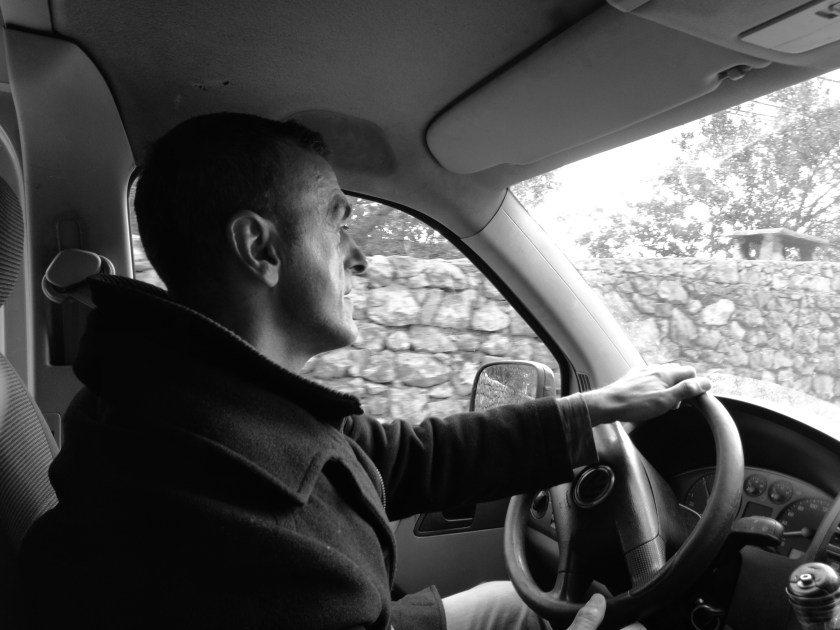
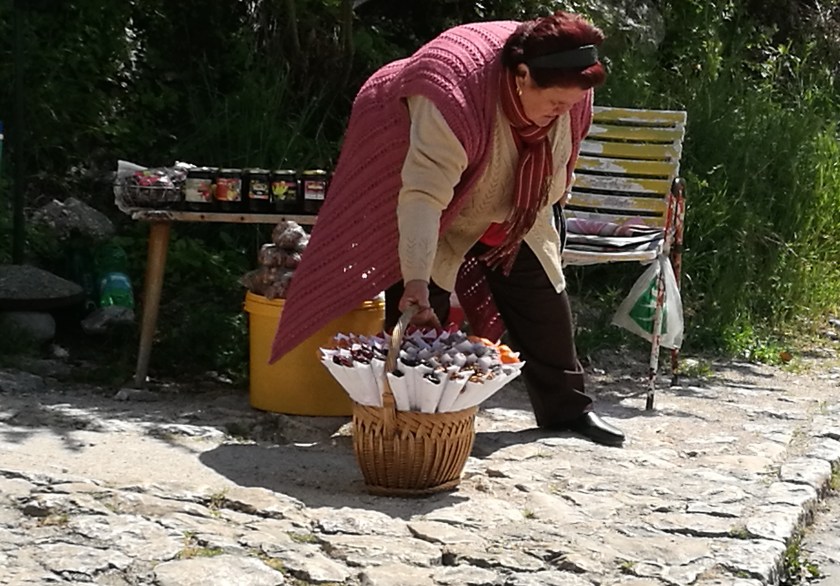
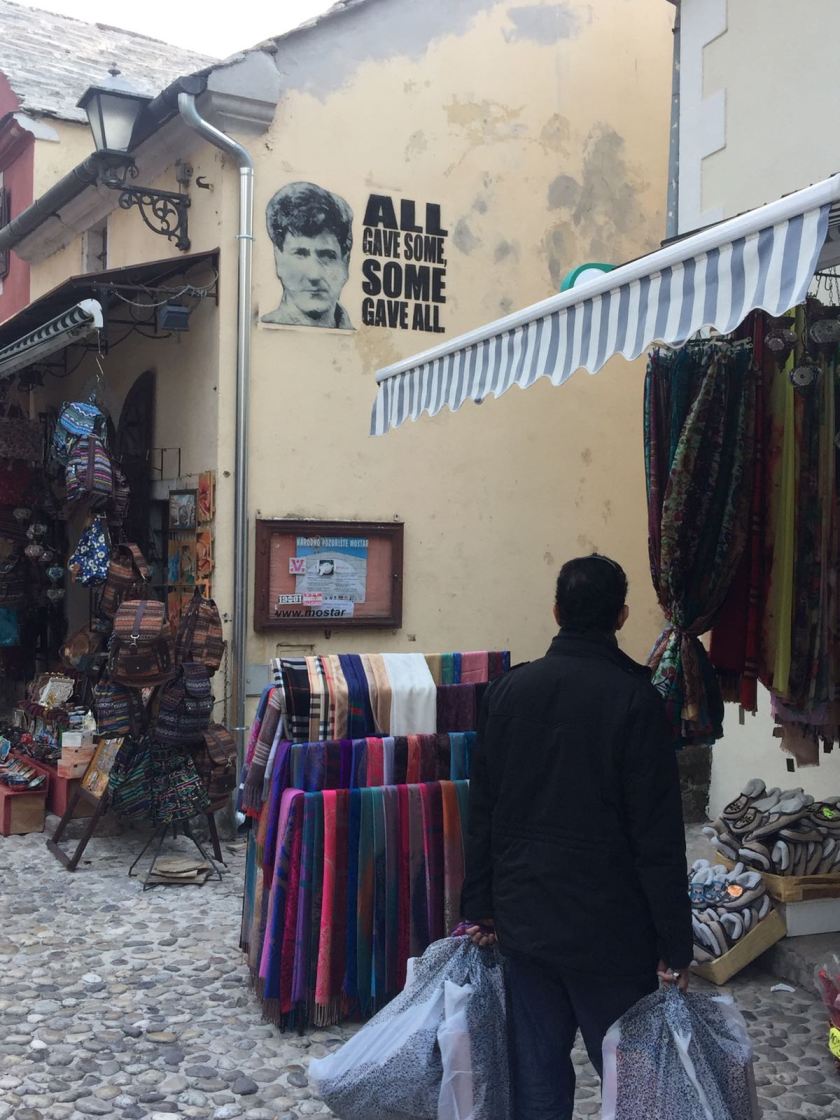


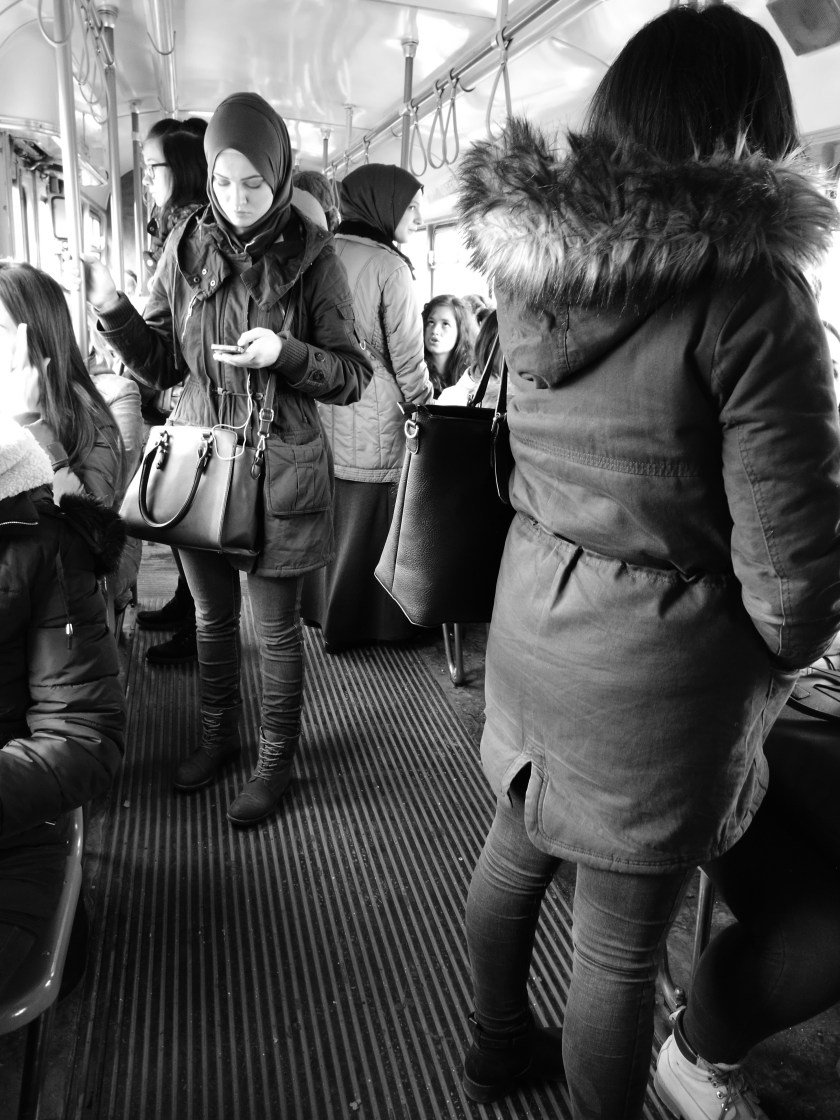
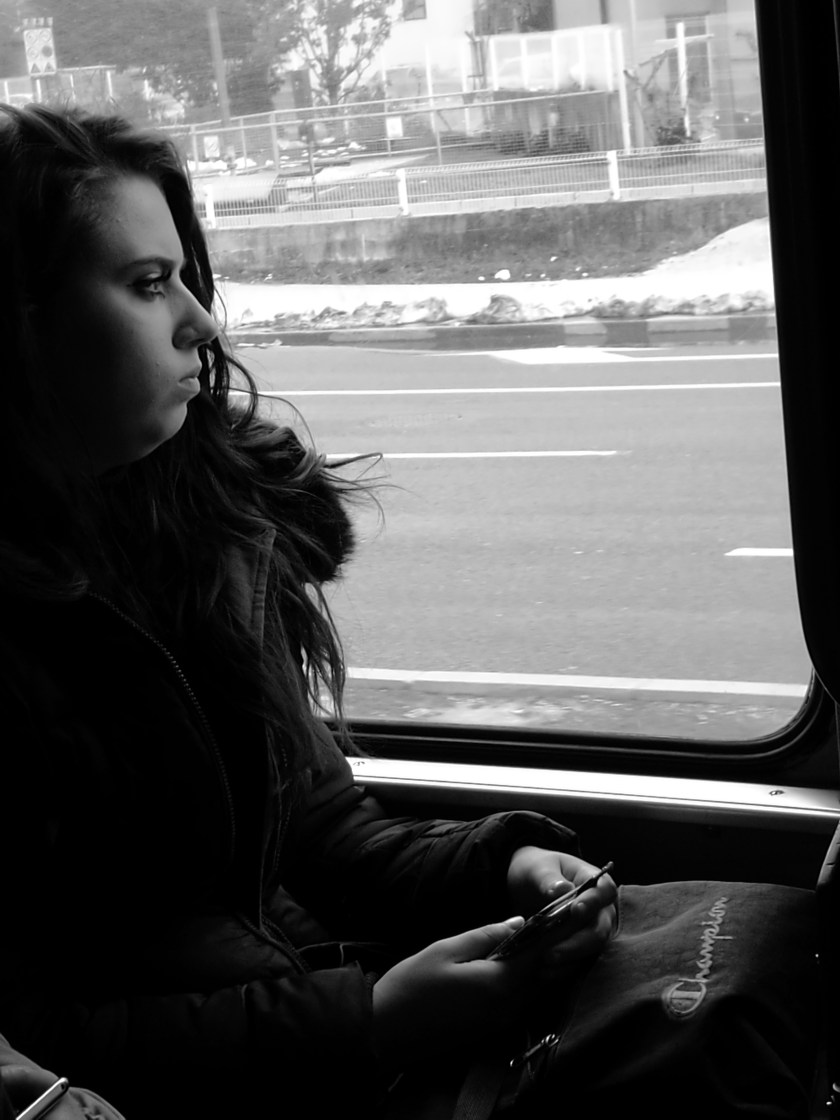

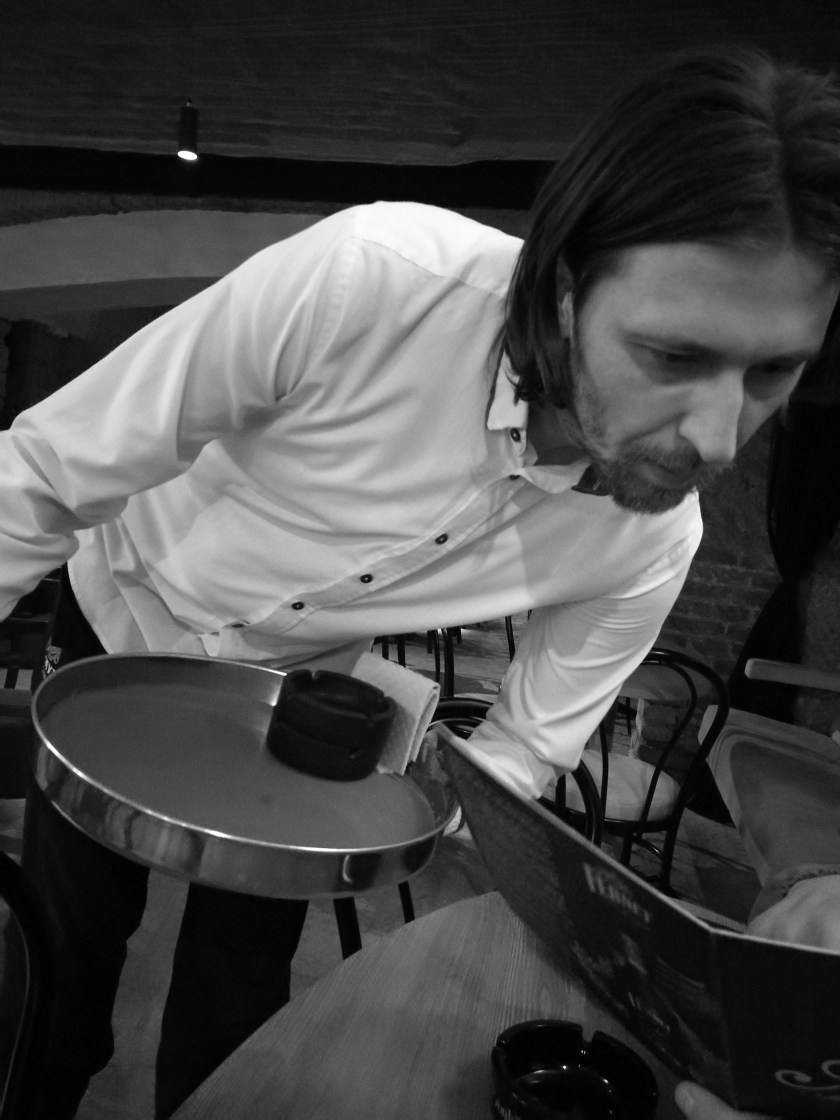


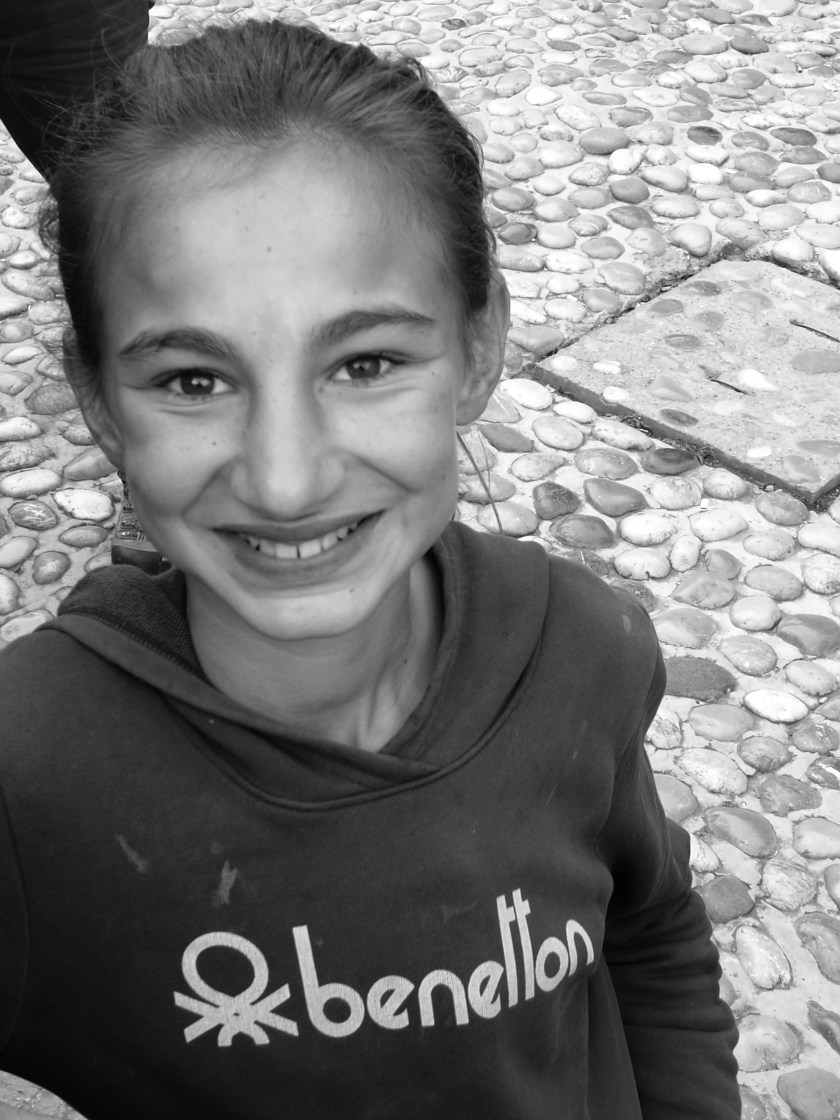
It cannot countervail the exchange of joy
I still have no words of my own.
Sarajevo, Blagaj and Mostar (April, 2017)

It cannot countervail the exchange of joy
I still have no words of my own.
Sarajevo, Blagaj and Mostar (April, 2017)

I wonder if the snow loves the trees and fields, that it kisses them so gently? And then it covers them up snug, you know, with a white quilt; and perhaps it says, “Go to sleep, darlings, till the summer comes again.”
Lewis Carroll
Ilidža, Sarajevo (this morning)

Ars Aevi, Sarajevo, today

It took me over a year to realize that “Death”was posing for me.

Perhaps home is not a place but simply an irrevocable condition.
James Baldwin

To sit on rocks, to muse o’er flood and fell,
To slowly trace the forest’s shady scene,
Where things that own not man’s dominion dwell,
And mortal foot hath ne’er or rarely been;
To climb the trackless mountain all unseen,
With the wild flock that never needs a fold;
Alone o’er steeps and foaming falls to lean;
This is not solitude, ‘tis but to hold
Converse with Nature’s charms, and view her stores unrolled.
But midst the crowd, the hurry, the shock of men,
To hear, to see, to feel and to possess,
And roam alone, the world’s tired denizen,
With none who bless us, none whom we can bless;
Minions of splendour shrinking from distress!
None that, with kindred consciousness endued,
If we were not, would seem to smile the less
Of all the flattered, followed, sought and sued;
This is to be alone; this, this is solitude!
George Gordon Byron
Photo: Flying to Poznan, June 2016
In August 1997 I travelled from Brazil, where I was on vacation with my parents, to Maputo where I stayed for a while with an uncle who was working there at the time. These are pages from my travel diary.
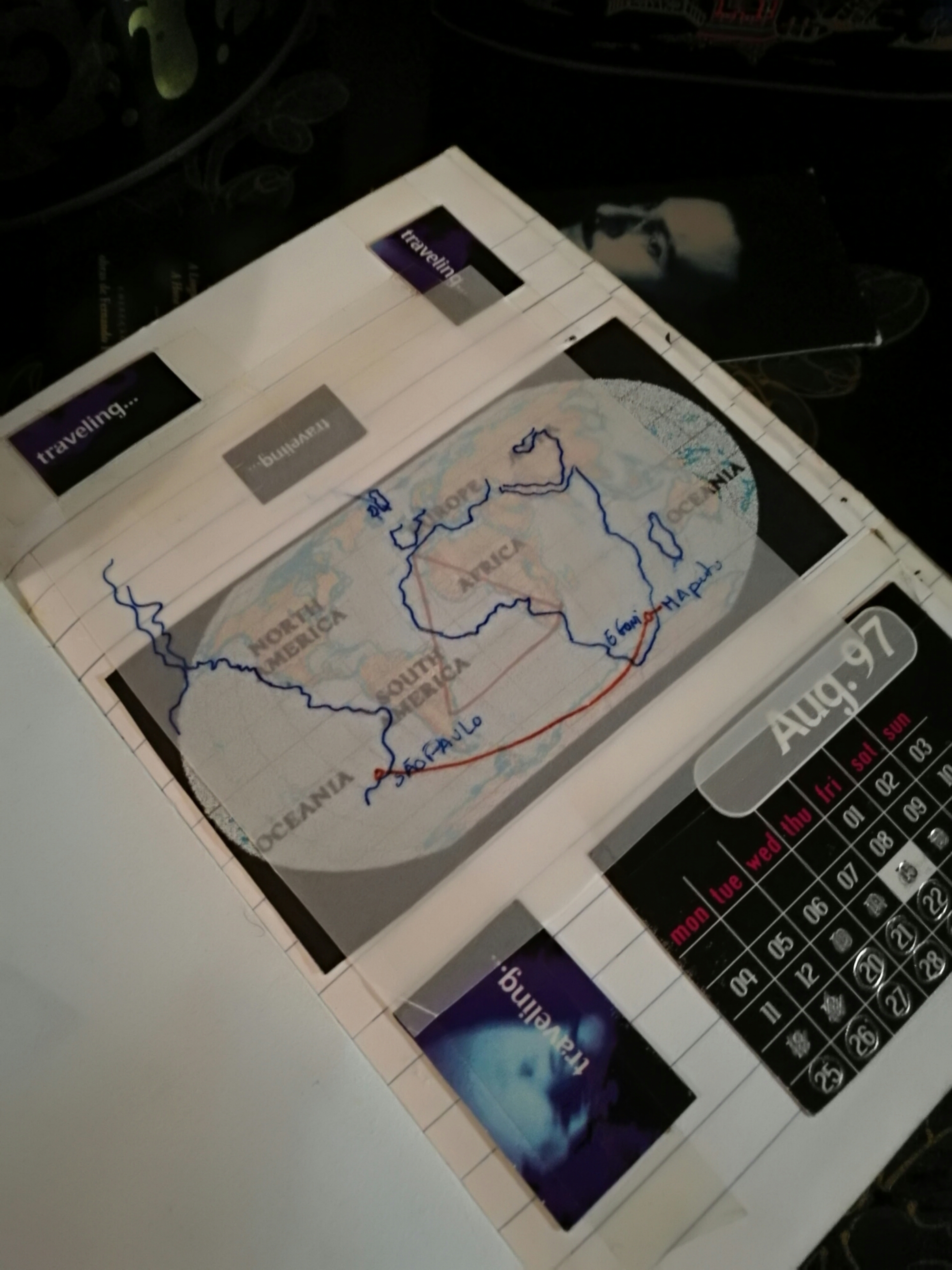
After six days in Porto Alegre, a city I was quite familiar with during my teens and early twenties, I flew to São Paulo to get on the flight to Beijing which had its first stop in Johannesburg.

At Guarulhos I waited, trying to read Raygun magazine’s special issue on Cinema and Music.
I think my mistake was that I thought you could live the things that you acted. But I realized that that wasn’t the case. Then I realized that I would be better suited to try to do that but without an audience. To pretend I was in the movies all the time, basically. And to try to create a narrative flow out of actions, and sequences and events.
Will Oldham in that Raygun Magazine

My mum made me promise I wouldn’t get out of the airport in Johannesburg during the six-hour-long layover. I did. I took a taxi and Philly drove me downtown to Museum Africa and drove past Ponte Tower and took me to Ellis Park and the flea market in Gateway and told me I should walk around Carlton Center and I remembered that my mum used to talk about this place. There were people playing chess on a gigantic board. I was born in Johannesburg. How could I not go out?

I arrived in Maputo at night. My uncle, my aunt and my cousin picked me up and drove me home, a big apartment in Avenida Albert Lutuli, overlooking the Aga Khan foundation from the living room and the car park on the Polaroid from my bedroom.
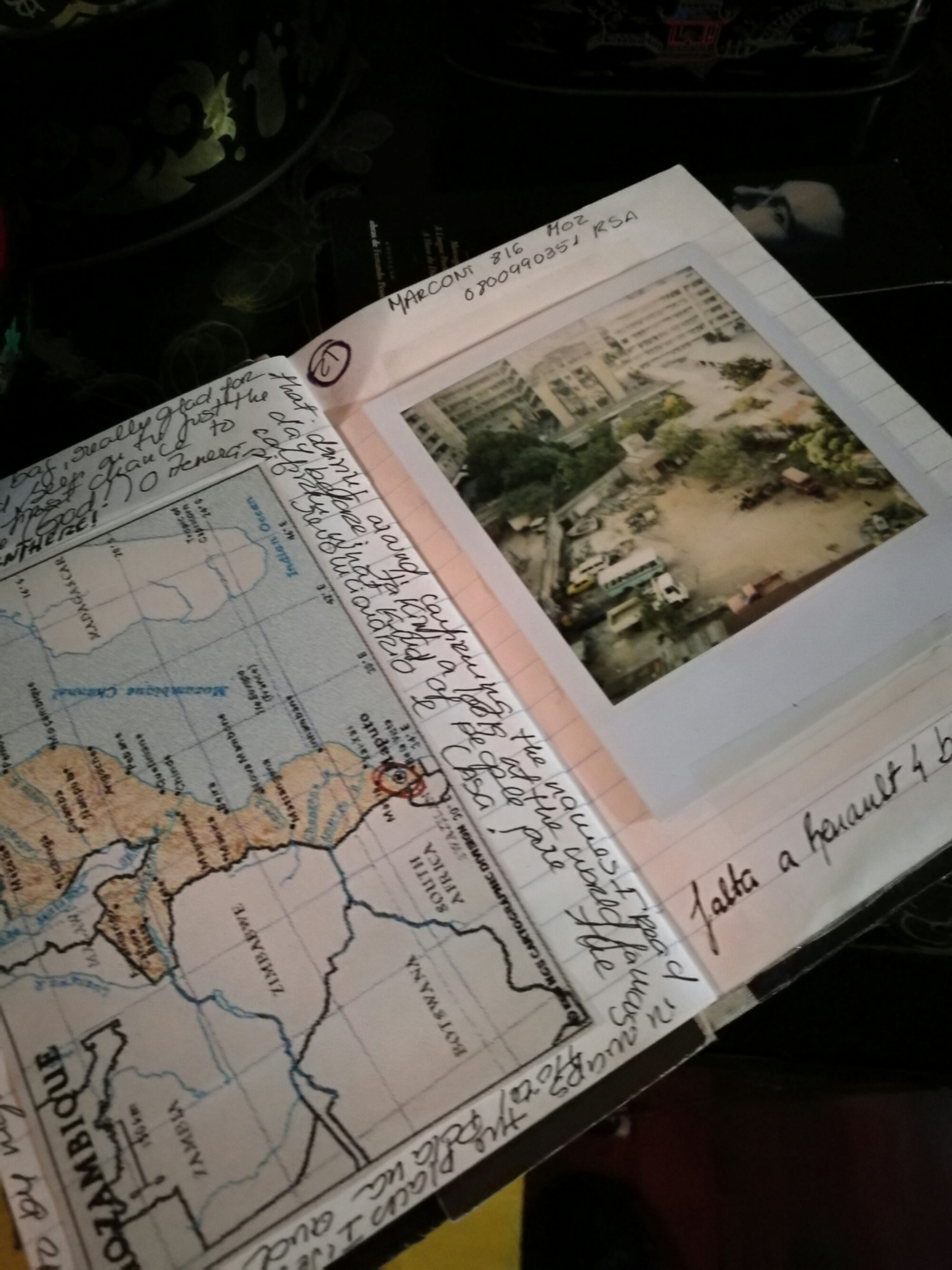
I went to Mozambique to do research on forced labour migration. Most of my first weeks were spent at the library of the Provincial Culture Centre in Rua do Bagamoyo, former Rua do Araújo in the also former “red light district” of the former Lourenço Marques.

The long balcony of the former brothel was where I spent my smoking breaks. Across the street there was a Pensão (I suppose a hostel by now) and the life of the Dutch couple staying there became also some sort of voyeuristic break. Under the balcony, every day, the same lady selling matchboxes danced to her own rhythmic section when she got bored.

This how research turned mostly into contemplation of life by the Indian Ocean.

Every morning I would pretend to be a morning person and go downtown at 6.30, have coffee at the Scala or the Continental and wait for the library to open while marvelling at the long line of men and women getting their shoes polished. We are proud of our shoes, Professor C. tells me. Most of us only have one pair, most probably handed down, we have to keep them looking new.
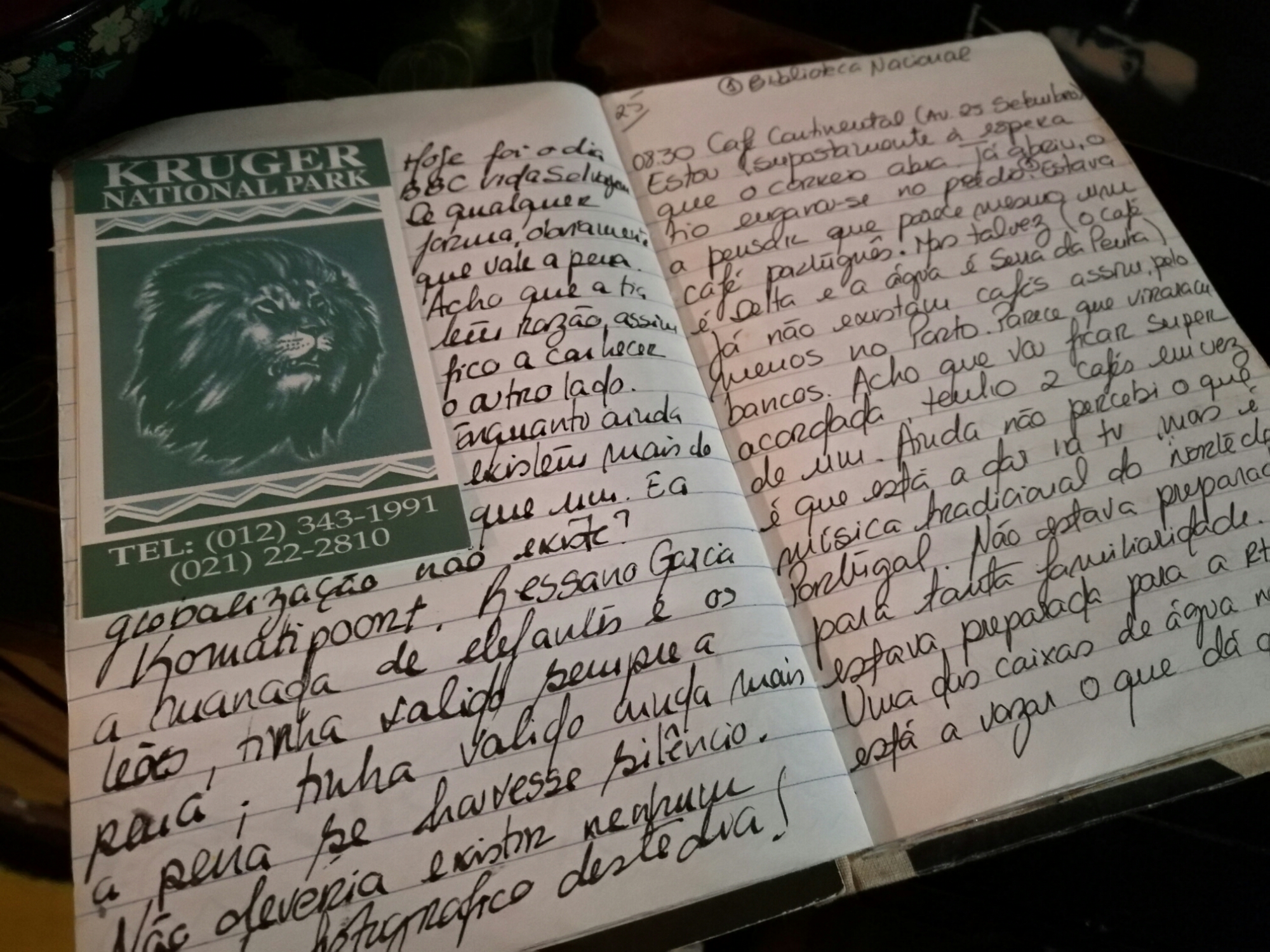
Before my aunt and my cousin go back to Portugal we go to Nelspruit to do some supermarket shopping. It felt like the old ritual of crossing the border to go to Tui or Vigo in Galicia for the same purpose before there were “free markets” and you could buy the same sort of things on the Portuguese side at the border. We get to Ressano Garcia and there are long lines of people and cars to cross to Komatipoort. I walk around amazed at the chaos of this mythical place that I knew only from books. It’s dirty and crowded. On the other side, I don’t have to wait, my passport is South African and everyone thinks I am American because of my accent. Nelspruit looks like a giant supermarket where people buy giant tins of butter. I had never seen a tin of butter before. We spend the night at a lodge near the Kruger Park and go visit the next day. There’s no diary entry for this. There are hundreds of photos and boxes of photographic slides (!) I still can’t find the words to tell anyone what it felt like.
 My aunt and cousin return to Portugal in time for the start of the school year. I stay on with my uncle and Olga who worked as a cleaner and cook at the flat and was now a single mother of two after her husband left. We had fun together. There was a fabric warehouse just around the corner from our flat and we often went to buy capulanas and play dress up. With my uncle, there were a lot of arguments about how to “behave in Africa” and how to deal with “things you know nothing about”.
 Outside, there was still a whole world to be explored and a lot of bureaucracy to deal with when trying to get authorization to see archives. The upstairs neighbour who owned the liquor store in Avenida Josina Machel tells on me because she saw me walking home. It’s not appropriate. Apparently.
 I spend two days reading labour legislation at the Ministry. The intern there just got a scholarship to go to Holland to study for a Masters degree. He’s happy is not heading to Portugal to do that. I then move to the National Film Institute. I had an amazing two weeks in this place just watching movies and making friends.
 Everywhere, I am surrounded by words and images and words and images that always have some sort of political meaning. And writers, and artists and liberation activists and foreign journalists that have stayed on after the colonial war was over. And Italians that have become African and don’t even speak Italian anymore. And generous souls that have shared pieces of their lives and changed mine.
 Re-living these pages I am, sometimes, amazed at what I have written. From quotes of Ruth First and Margot Dias to somewhat futile accounts of every little detail of every walk around the city, every coffee, every encounter.
 I didn’t want to risk missing a thing. I didn’t want to risk losing the memory of the place and of the people.
 Re-living these pages, I am really sorry that I haven’t kept the habit of writing travel diaries. Re-reading some of these pages, I realise they are actually a script for the adventure movie of that African winter.




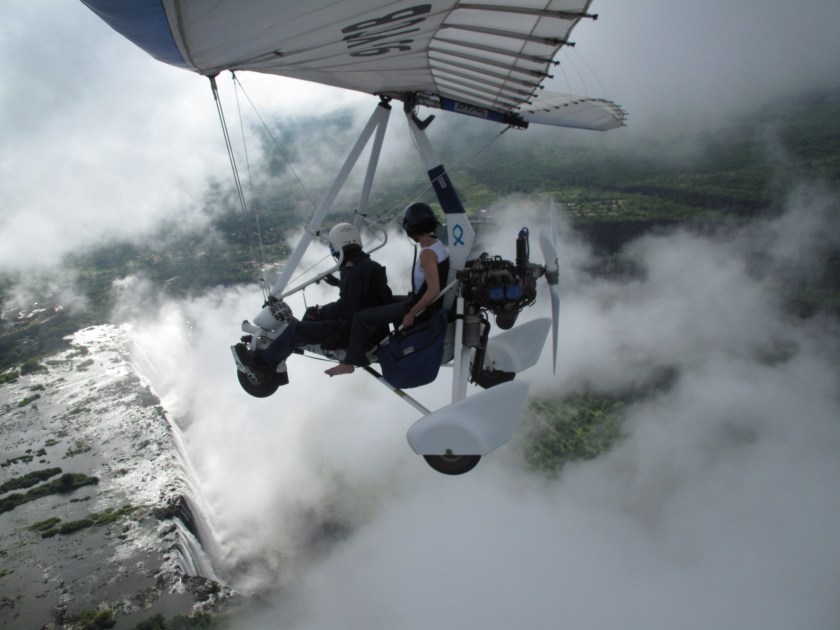
In December 2009 I finally managed to finish my PhD. In January 2010, as a reward, I took myself to Zambia because I have always been fascinated by Dr. Livingstone.

I am not a particularly brave person, I’m actually quite shy and insecure most of the times.

But I do believe in forcing myself to do everything that terrifies me.


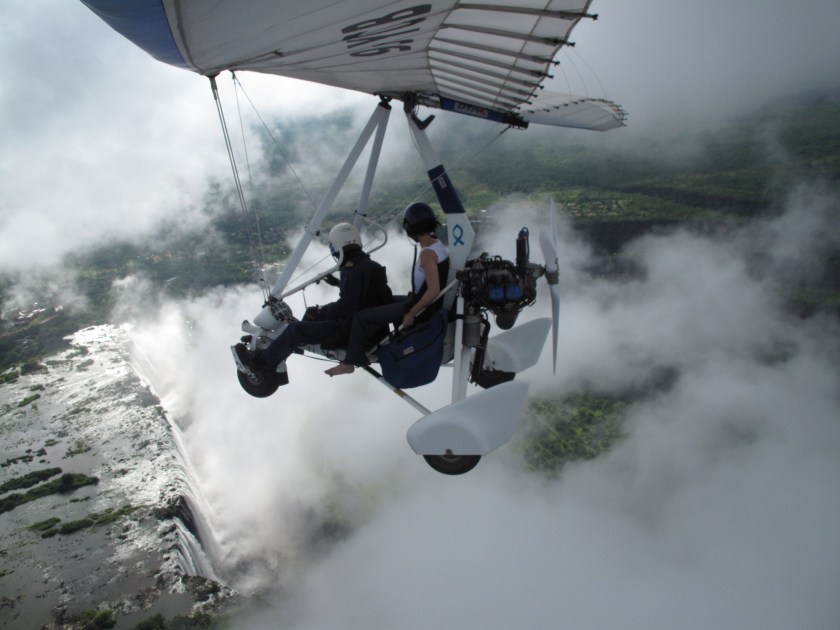
This is my first trip to India. I spent two and half days in Kochi in the state of Kerala, site of the death of Vasco da Gama who had arrived in Calicut (now Kozhikode) 26 years before. In 1510, led by Afonso de Albuquerque, the Portuguese conquered Goa and here they stayed until December 19 1961. I spent two days here, fulfilling what has been a dream ever since I was a kid. To visit Goa.

And while trying to fight whatever is left of my jet lag self, I am trying to both understand where I am beyond the imaginary place of countless life fantasies and the real place. This is, of course, an absolutely delusional ambition. How could I ever understand anything in two overwhelming days.
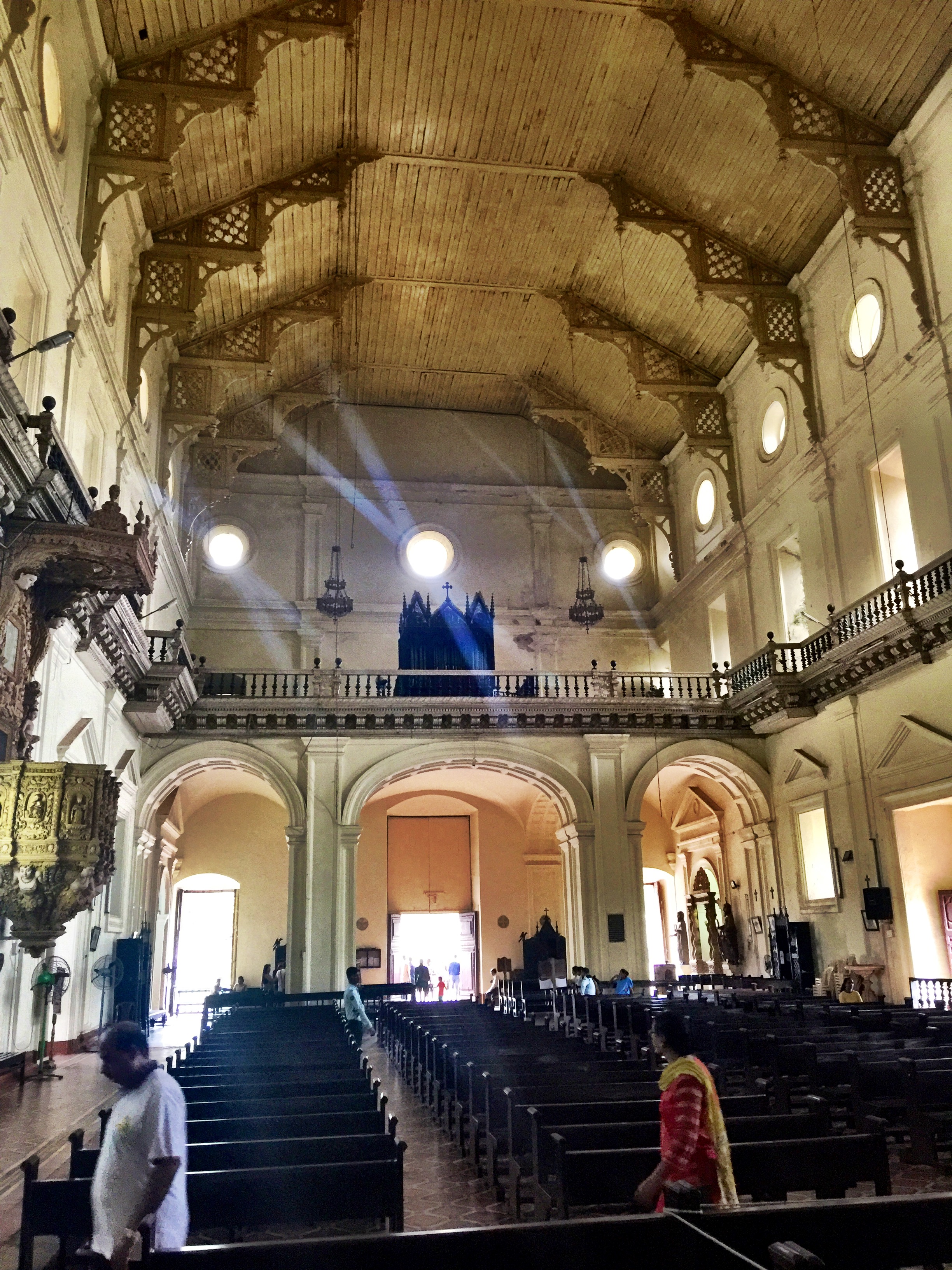
I always felt History was not easy to explain. Not even to thode who share it with you. There’s always a sense of invaders guilt at the back of my mind and then people tell me ” you should come to Iran and see the Portuguese fort in Hormuz” or ” you really need to come to Sri Lanka and see the Galle Fort” or maybe go to Thailand or Oman or Indonesia. And then I realize there’s nothing to be explained. It’s a common memory .
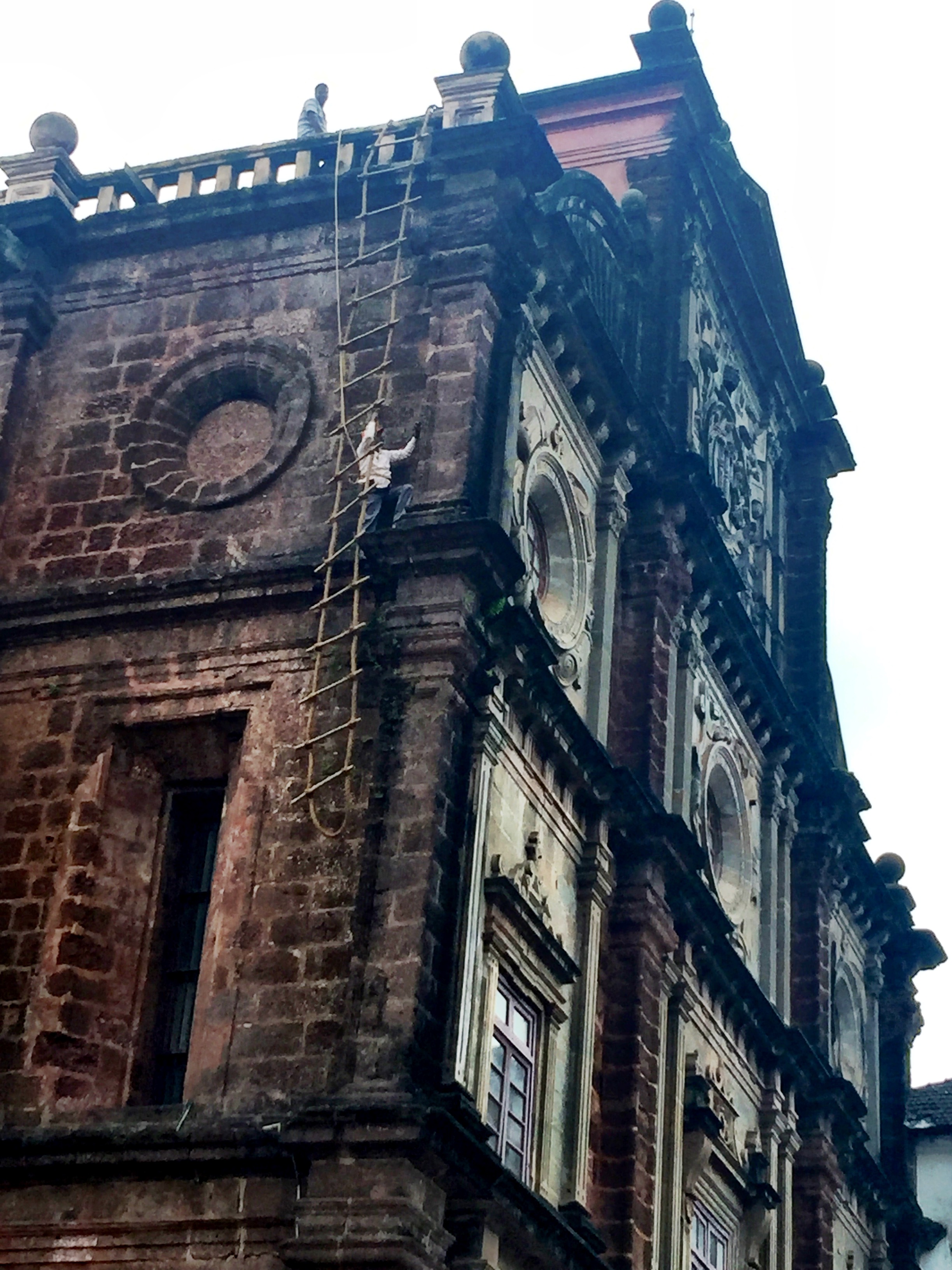
The minute I got in the car for a tour of Goa, the guide starts talking about Augustinian and Jesuit churches and nuns baking Bebinca, and reliquaries and Saint Francis Xavier and how much knowledge came together in the XV century to make all those churches and forts rise and still stand.

It is impossible, for me at least, not to feel that those stones and paintings and that relic are part of who I am. They are my cultural DNA.
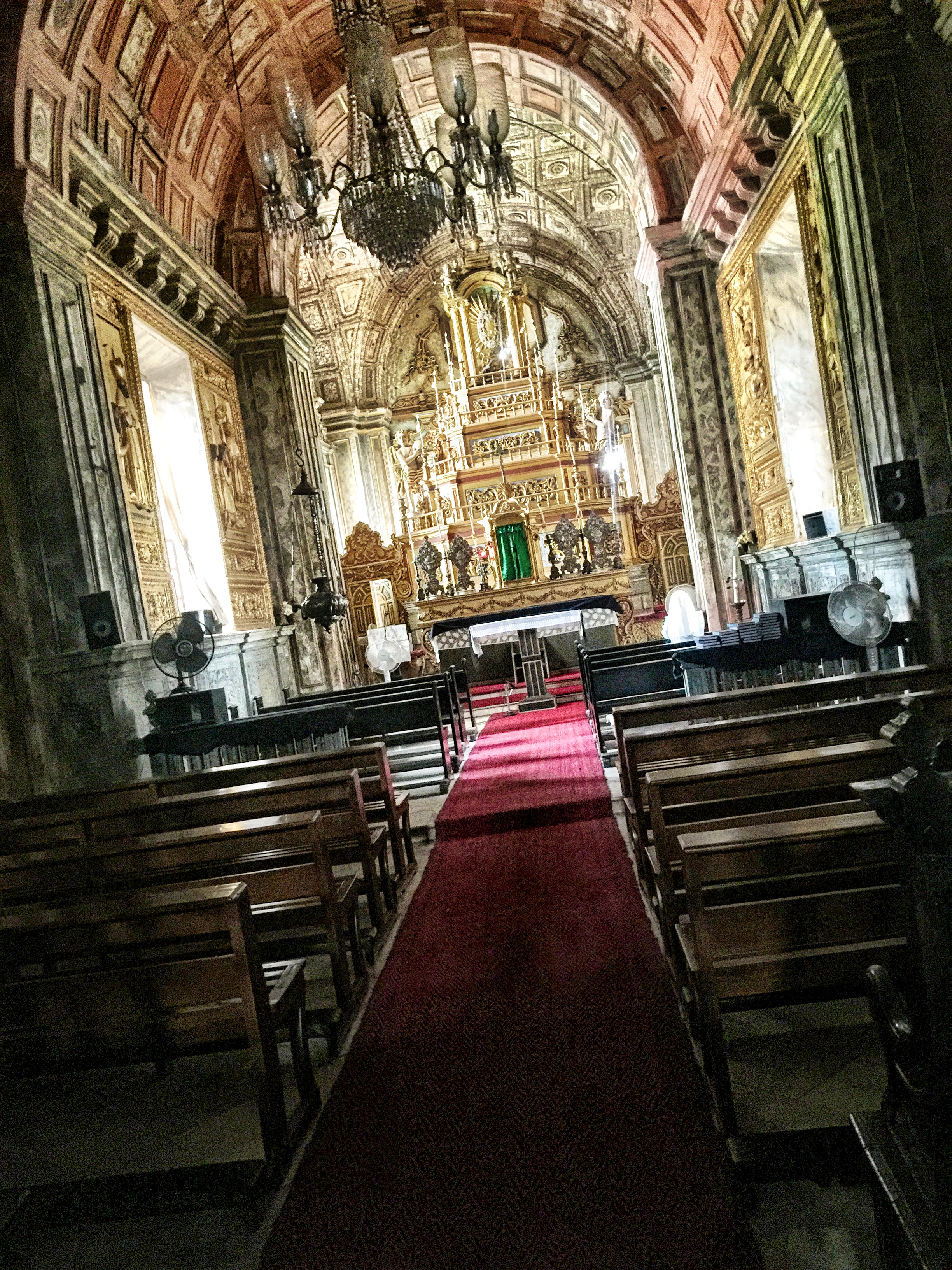
The next day I decide to walk on my own through Fontainhas, the Latin Quarter of Panjim and get lost, as I normally do. Since I have no wifi I ask the girl carrying her dry cleaning carefully wrapped in newspaper where June 18 street is. She walks with me because she is going that way. Where are you from, she asks. I tell her.

Eu também falo português (I also speak Portuguese) she tells me.
This is my unfinished journey. Where my sense of belonging comes from.
One is always at home in one’s past…
Vladimir Nabokov


 Stories from A Closet of Errors