You yourself are your life

The possible answers: the present, listening to people and hearing what they mean, breathing, the pause, the silence, the impulses, the consequences, the tunnel I was getting in, not realizing I was that long dark corridor, the time, the good advice, the false one, that attention to details make no sense if you are not living in them.

Do not want, Lídia, to build in the ‘space
What future figures, or promise you
Tomorrow. Fulfill yourself today, not ‘waiting.
You yourself are your life.
Do not be destined, you are not future.
Who knows if, between the cup you empty,
And she’s filled up again, no luck
Interposes the abyss?

———————————

Não queiras, Lídia, edificar no espaço
Que figuras futuro, ou prometer-te
Amanhã. Cumpre-te hoje, não esperando.
        Tu mesma és tua vida.
Não te destines, que não és futura.
Quem sabe se, entre a taça que esvazias,
E ela de novo enchida, não te a sorte
        Interpõe o abismo?

Odes de Ricardo Reis . Fernando Pessoa.

References

Ernesto Sabato, The Tunnel

“In any case, there was only one tunnel, dark and lonely, mine, the tunnel in which I had spent my childhood, my youth, my whole life. And in one of those transparent lengths of the stone wall I had seen this girl and had gullibly believed that she was traveling another tunnel parallel to mine, when in reality she belonged to the broad world, to the world without confines of those who do not live in tunnels (…)”

The how

How you move through the world

A stride, a gesture, the tilt of your head;

Some people enter a room like a storm; others radiate calm. Their “frequency” alters the space around them.

Do you rush? Linger? Dance while cooking? Your cadence reveals inner worlds.

The words you choose

Favorite phrases, slang, or even silences—words betray your history, humor, and heart.

How you frame experiences—a scientist might describe love as chemistry; a poet, as a wildfire. The specific vocabulary, phrases, and metaphors someone gravitates toward creates a verbal fingerprint. I’ve noticed how certain people have signature expressions or ways of framing ideas that immediately identify them, even in writing

How you treat others

The small kindnesses or thoughtlessness, who we make time for, how we respond to vulnerability or need – these interactions form patterns that define us. Some people consistently elevate others, while some drain energy from every room.

Your memory

 It’s not just what we remember, but how we remember, what we forget, and how those memories reshape us over time. As Oliver Sacks said  “Memory is dialogic and arises not only from direct experience but from the intercourse of many minds. […] It is a form of storytelling that goes on in the mind and never stops. […] Our memories are, in the end, a shifting, vanishing, mutating thing, a mirage of unreliable glimpses.” We don’t just have memories; we curate them, unconsciously editing our past to make sense of our present.

Your contradictions

Some people manage to be elegant yet unsettling, cool yet chaotic, polished but always a little off.

Each of us is an entire society, a whole neighborhood of Mystery; it is fitting that we at least make the life of this neighborhood elegant and distinguished, that in the celebrations of our sensations there be refinement and decorum, and that, because it is sober, there be courtesy in the banquets of our thoughts.

The Book of Disquiet

The Only Me
By Pat Mora

Spinning through space for eons,

our earth—oceans, rivers, mountains,

glaciers, tigers, parrots, redwoods—

        evolving wonders.


And our vast array, generations

of humans—all shapes, colors, languages.


        Can I be the only me?


Our earth: so much beauty, hate,

        goodness, greed.


“Study. Cool the climate,” advises my teacher.

                      “Grow peace.”


        Can I be the only me,

                      become all my unique complexity?

Those who invited me into meaning

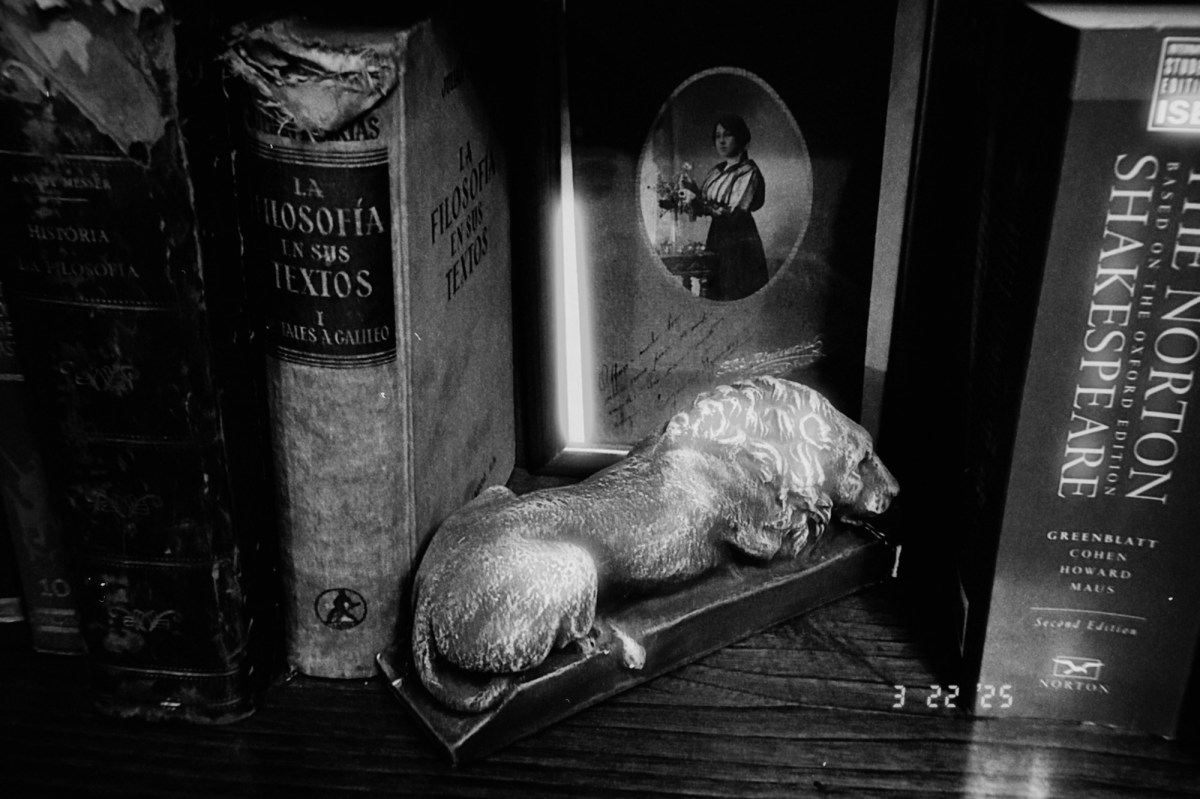
My father who, for my 10th birthday, gave me a 500 page book on the “History of Men in the last two million years “ so I could satisfy my curiosities and go on learning.

My mother who made me believe that even with clipped wings I could fly.

My grandparents who granted me free access to every book in the house with no concern whatsoever if what I was reading was age appropriate or not.

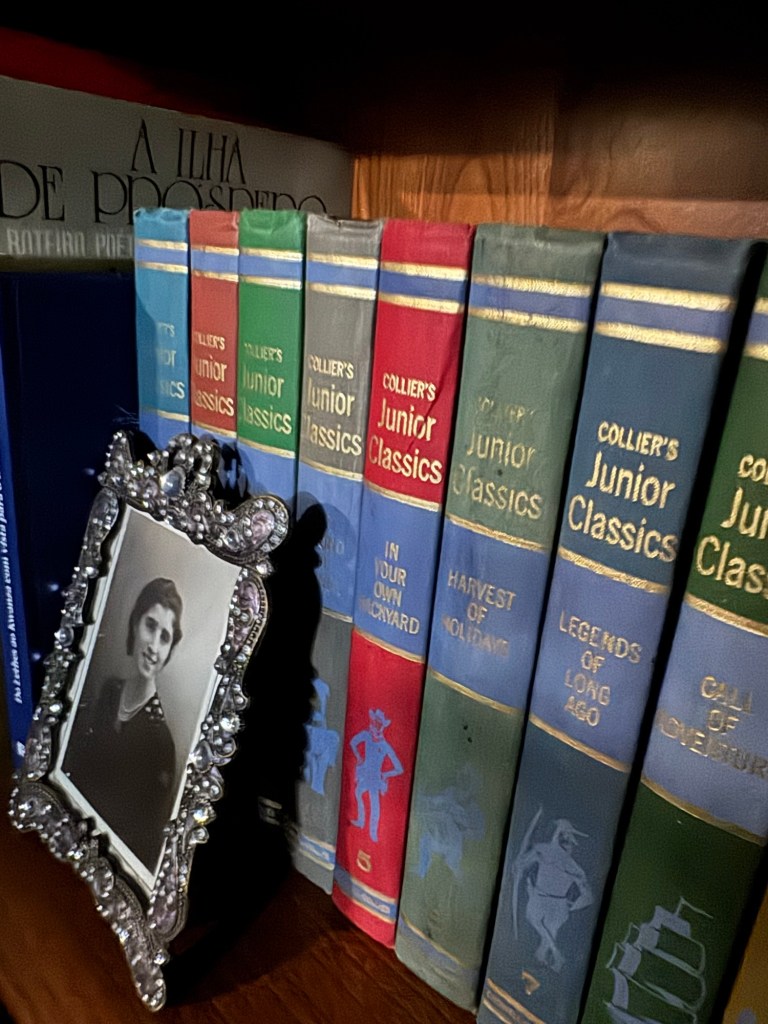
My great aunt, the delicate, elegant and joyful lady that I did not become.

My uncle who made me admire the preciseness and perfectionism that I don’t have in me. He was also patient enough to teach me Argentinian tango.

Ms Gloria, my first grade teacher who taught a whole class of six year olds to write their first words with a fountain pen.

Sister Clara Lucia who desperately tried to have us all speak the “Queen’s English”

Teresa my high school philosophy teacher who opened the door to the infinite universe of abstract thought

Manuela my philosophical theories professor at university who, in her 60s, dressed in jeans and silk blouses with plunging necklines and no bra and showed us that sensuous and intellectual could be synonymous.

C. Vieira, professor of European studies who tried to teach us that we should never walk down the stairs. I remember this often when I’m tempted to get into arguments.

Eugenie, the French teacher who declared that life is unjust. It does tend to be.

Marthinus, who was not my professor but gave me books and, tried to make me feel as South African as he once has tried to feel Portuguese.

Orlando who sat with me for long coffees and introduced me to magic realism.

Cesário who taught me to use a photometer and to develop photos and allowed me to entertain the idea that one day I could be a new Cartier-Bresson.

Dorinho who showed me who I could be.

Robby, who saw the restlessness and from whom I learned the importance of staying defiant.

Professor Gironès an eloquent humanist whose devotion for classical culture and the Mediterranean always made me look for the common within the different.

Ivo, Diana, Ernesto and Catarina, the patient, neurotic, perfectionist and passionate dance teachers that helped me discover my dramatic persona.

Anthony, the mentor, the role model, the compass whose idea of me was way too generous. As he was. The one who unfortunately was gone too soon and left without me having the opportunity to live up to be the person he thought I was.

Virgílio, the RFI journalist who wanted me to understand that I should not speak as fast as I think. Like in dance, it is the pause that says it all.


the calling of the teacher. There is no craft more privileged. To awaken in another human being powers, dreams beyond one’s own; to induce in others a love for that which one loves; to make of one’s inward present their future; that is a threefold adventure like no other.

George Steiner, Lessons of the Masters (The Charles Eliot Norton Lectures)

At the still point of the turning world

Since I can remember having some sort of conscious thought, my favorite activity has been daydreaming. I would love to engage more with it? Absolutely. Should I? Most probably not. I tend to use it as a way of escaping the weight of the days, even if, sometimes, it has helped me come up with brilliant, in my opinion, ideas.

Being still was not a problem when I was a kid. I enjoyed being alone and left to my own devices. Either forced by the inevitability of growing up into an accountable and acceptable adult or by the contextual speed of life, being still became a problem and, being present became something to be learnt again.

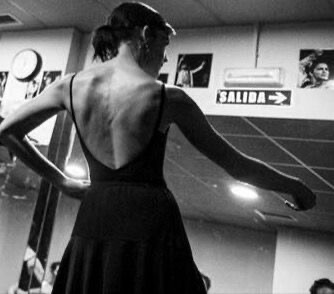
Talent or no talent , dancing— and choosing a form of dance as technically demanding as Flamenco — has slowly helped me regain a sense of connection.


Dancing unites body and mind through movement, requiring presence in a way that’s both physical and emotional. When you’re fully engaged in dance, you’re experiencing yourself as a whole being rather than fragmented parts. In the present.

At the still point of the turning world. Neither flesh nor fleshless;
Neither from nor towards; at the still point, there the dance is,
But neither arrest nor movement. And do not call it fixity,
Where past and future are gathered. Neither movement from nor towards,
Neither ascent nor decline. Except for the point, the still point,
There would be no dance, and there is only the dance.

T. S. Elliot, excerpt from
Burnt Norton, (Four Quartets)

Happy World Poetry Day!

They told me I was everything

Fierce

Bright

Emotional

Hypersensitive

Volatile

Dilettante

Passionate

Detached

Elegant

Regal

Unapologetic

Unapproachable

Big hearted

Generous

Impulsive

Daydreamer

Blunt

Fair

Melancholic

A good person

Serious

Elegant

Shy

Boring

Sarcastic


The meaning of my existence is that life has addressed a question to me. Or, conversely, I myself am a question which is addressed to the world, and I must communicate my answer, for otherwise I am dependent upon the world’s answer.

C. G. Jung, Memories, dreams, reflections

‘tis a lie, I am no ague-proof

References

William Shakespeare, King Lear

To have without holding

As most people, I own too many things. I could, obviously, live without most of the things I have. And I have tried, once when I was moving to a new flat, I gave away most of my possessions. This was, in some way, liberating although I’m not quite sure if I was trying to set myself free or was just to lazy to take everything with me.

I often read (diagonally)the good advices on decluttering and while browsing through this “Letting Go of Sentimental Objects Is Hard. Here’s How to Start.”, this caught my attention:

He eventually realized that he was clinging to things that reminded him of people, places and experiences from his past.

“I wanted to make room for my future,”

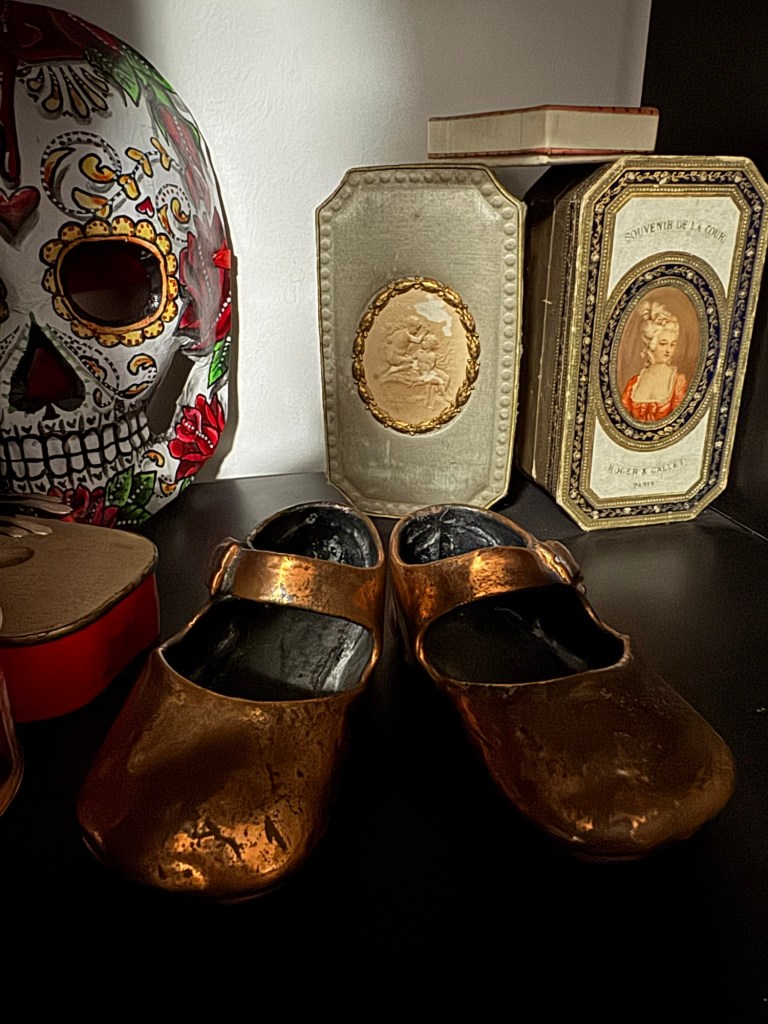
From house move to house move I always kept steam trunks, books, photos, my grandmother’s wedding blouse and her dresses, the cake figurine of her wedding (1949) cake my great aunt wedding dress, my grandfather”s camera and photometer, birthday cards, note written by friends, sketches made by friends who have, unfortunately, died, theatre and concert tickets, my journals, my first pair of shoes bronzed in South Africa, teddy bears, notebooks and pens and pencils.

Learning to love differently is hard,
love with the hands wide open

I suppose this answers the question, What are three objects you couldn’t live without? I just can’t bring them down to three.

I know “our memories live inside us, not in our things” but I still feel there’s a beautiful thread connecting everything I’ve kept to my personal history, relationships, and creative life. They are tangible links to my ancestry.

I’ve kept things that embody memory, relationship, and meaning rather than items of mere convenience or fleeting value. For some, they’re probably just clutter anyway. For me, these objects help tell the story of who I am and of the life of those who came before me. I have a hard time imagining a future without room for the past.

References: To have without holding by Marge Piercy

Unlikely


Me aged 2.  It didn’t seem plausible but I did grow up. And, surprisingly enough, not into a fearless tomboy.

How ridiculous and how strange to be surprised at anything which happens in life”  ― Marcus Aurelius, Meditations

Revisiting

Não há nada que resista ao tempo. Como uma grande duna que se vai formando grão a grão, o esquecimento cobre tudo.

Ainda há dias pensava nisto a propósito de não sei que afecto.

Nisto de duas pessoas julgarem que se amam tresloucadamente, de não terem mutuamente no corpo e no pensamento senão a imagem do outro, e daí a meia dúzia de anos não se lembrarem sequer de que tal amor existiu, cruzarem-se numa rua sem qualquer estremecimento, como dois desconhecidos.

Essa certeza, hoje então, radicou-se ainda mais em mim.

Fui ver a casa onde passei um dos anos cruciais da minha vida de menino. E nem as portas, nem as janelas, nem o panorama em frente me disseram nada. Tinha cá dentro, é certo, uma nebulosa sentimental de tudo aquilo. Mas o concreto, o real, o número de degraus da escada, a cara da senhoria, a significação terrena de tudo aquilo, desaparecera.

Miguel Torga, “Diário (1940)”

Nothing can stand the test of time. Like a great dune, growing with each grain of sand, oblivion covers everything. I’ve been thinking about this for days, I do not know prompted by what type of feeling or affection.

Take the case of two people loving each other so madly that they did not have in their bodies and thoughts anything but the image of the other, and in a half-dozen years they will not even remember that such a love existed, when they walk past each other without any shudder, like two strangers.

This certainty, today, has become even more rooted in me.

I went to see the house where I spent one of the crucial years of my boyhood life. And neither the doors, nor the windows, nor the landscape in front spoke to me. I had in me, of course, a sentimental nebula of it all. But the concrete, the real, the number of steps on the stairs, the face of the landlady, the earthly meaning of all that had disappeared.

The translation is mine and it doesn’t do the original any justice. I saw part of this text written on a wall in Leiria two weeks ago, yesterday I felt what it meant. I walked through the streets of Viana do Castelo as a tourist. It didn’t feel like the city that was almost my second home at a time when I too seemed to be “madly in love”. No emotion, and the “sentimental nebula” was just the sad realization of that void. I walked to the theater to buy the ticket for the opera recital. The lady in front of me was asking a lot of questions, she was afraid she didn’t know her way around the building anymore. She had danced on that stage when she was young. Her memories felt comforting.

Photo: Teatro Sá de Miranda, Viana do Castelo

Trying to remember Ithaka

M. bought this dress Monday morning (my time zone) and the rest of my day was spent trying to remember what seemed to have been long forgotten.

I can’t remember the last time I wore this dress, but I am sure I wore it during a chilly evening in the summer of 1997 at a concert in Montemor‘s castle. I remember who was with me and the theory that “villages with medieval castles are always cold” but I could not remember who was playing.

Trying to dig up something that you have forgotten to remember from the pre-internet era is not always easy. I tried to google what I did remember. The same artist was also a photographer who, probably in the same year, had an installation called “I could write a book” at Galeria Zé dos Bois in Lisbon.  Inspired by the famous jazz standard, specifically by Dinah Washington’s rendition of it (1955), the installation featured an unmade bed, photos and diary entries and little notes from the time the author lived, in love, in Tokyo because if someone had asked him, he could have written a book.

If they asked me, I could write a book
About the way you walk, and whisper, and look
I could write a preface
On how we met
So the world would never forget

But I did forget and, as the day progressed I felt more and more irritated at not being able to recall the name. Probably C. went with me to Lisbon so I decided to send an email explaining my quasi existential doubt of the day. He thought it was absurd and called me. He had no recollection whatsoever of such installation he most probably did go but couldn’t remember. We also saw this same guy at Labirintho, I said. Remember that? We went with another friend who got drunk and almost in trouble. Remember that? I even remember where we had parked the car and that we drove away and Cake’s Fashion Nugget was playing. He could not remember anything at all. It seems like we have done really interesting stuff together in the 90s, though.

By 8 pm I could recall some Greek connection and my Google search was “Californian musician, Greek ancestry, living in Lisbon in the 90s”. There it was an article about “the greatest Portuguese talents of the 90s”, about the great “unknown”, groundbreaking talent of Portuguese Pop/Rock and the growing popularity of Dance and Hip-Hop scenes. Finally Darin Pappas, aka Ithaka Darin Pappas aka Korvowrong and the album “Stellafly”, the most powerful and consistent national registry edited in 1997. That might help explain why I seemed to have travelled across the country to hear him even if now it doesn’t really make much sense.

But then again, C.P. Cavafy’s IthaKa is the conclusion that it’s never about getting there but always about the search, as long as you understand what the Ithakas mean.

As you set out for Ithaka
hope the voyage is a long one,
full of adventure, full of discovery.
Laistrygonians and Cyclops,
angry Poseidon—don’t be afraid of them:
you’ll never find things like that on your way
as long as you keep your thoughts raised high,
as long as a rare excitement
stirs your spirit and your body.
Laistrygonians and Cyclops,
wild Poseidon—you won’t encounter them
unless you bring them along inside your soul,
unless your soul sets them up in front of you.
 
Hope the voyage is a long one.
May there be many a summer morning when,
with what pleasure, what joy,
you come into harbors seen for the first time;
may you stop at Phoenician trading stations
to buy fine things,
mother of pearl and coral, amber and ebony,
sensual perfume of every kind—
as many sensual perfumes as you can;
and may you visit many Egyptian cities
to gather stores of knowledge from their scholars.
 
Keep Ithaka always in your mind.
Arriving there is what you are destined for.
But do not hurry the journey at all.
Better if it lasts for years,
so you are old by the time you reach the island,
wealthy with all you have gained on the way,
not expecting Ithaka to make you rich.
 
Ithaka gave you the marvelous journey.
Without her you would not have set out.
She has nothing left to give you now.
 
And if you find her poor, Ithaka won’t have fooled you.
Wise as you will have become, so full of experience,
you will have understood by then what these Ithakas mean.

C.P. Cavafy, Collected Poems. Translated by Edmund Keeley and Philip Sherrard


I texted the name and sent it to C. “wtf, who remembers that” was the answer. Right.

Now, the material trigger for all this is on its way to another hemisphere and I hope it will continue to inspire random thoughts, impromptu travels, silly theories and becomes someone else’s story.

Mozambique 97

In August 1997 I travelled from Brazil, where I was on vacation with my parents, to Maputo where I stayed for a while with an uncle who was working there at the time. These are pages from my travel diary.
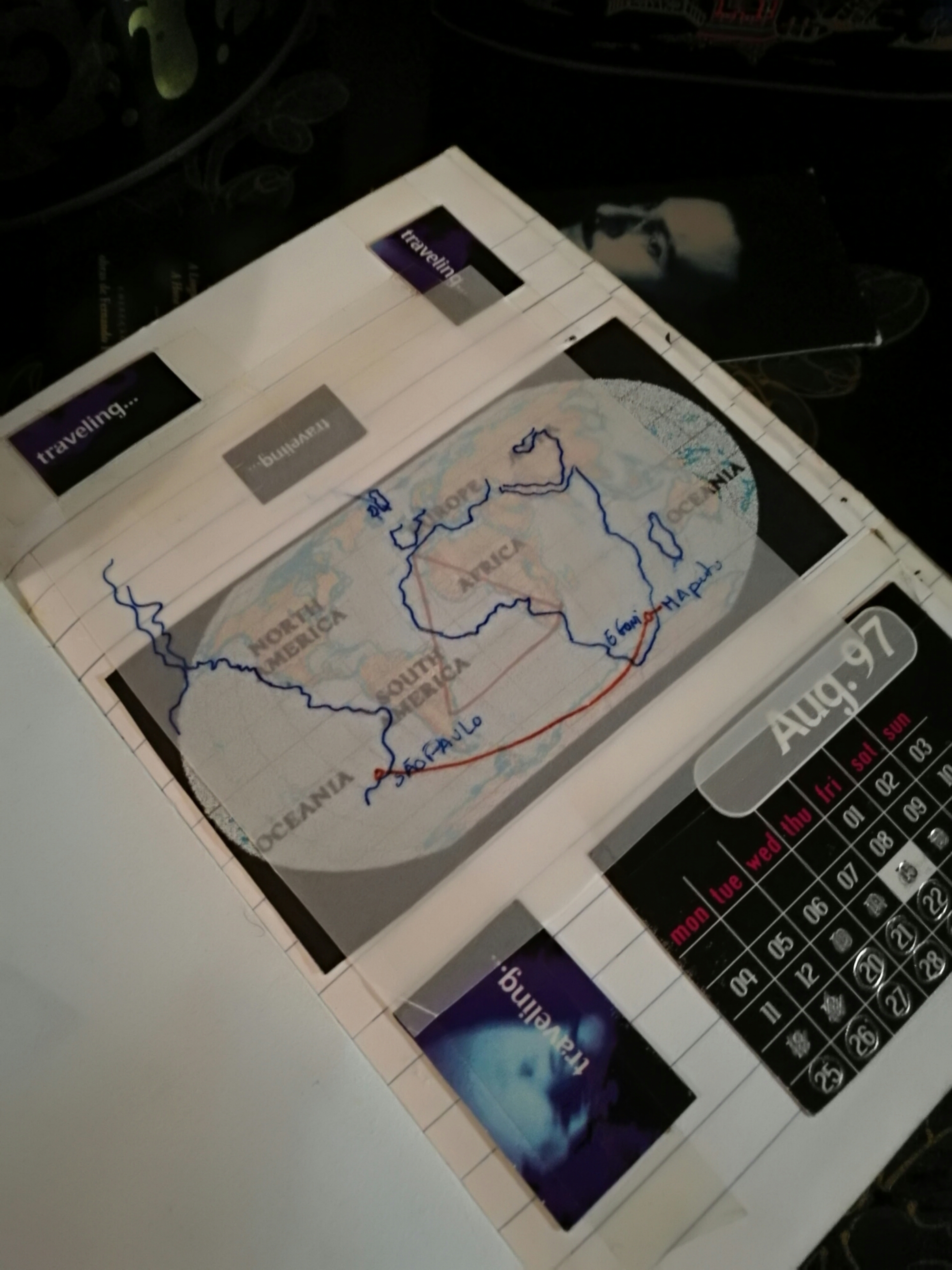
After six days in Porto Alegre, a city I was quite familiar with during my teens and early twenties, I flew to São Paulo to get on the flight to Beijing which had its first stop in Johannesburg.

At Guarulhos I waited,  trying to read Raygun magazine’s special issue on Cinema and Music.

I think my mistake was that I thought you could live the things that you acted. But I realized that that wasn’t the case. Then I realized that I would be better suited to try to do that but without an audience. To pretend I was in the movies all the time, basically. And to try to create a narrative flow out of actions, and sequences and events.

Will Oldham in that Raygun Magazine

My mum made me promise I wouldn’t get out of the airport in Johannesburg during the six-hour-long layover. I did. I took a taxi and Philly drove me downtown to Museum Africa and drove past Ponte Tower and took me to Ellis Park and the flea market in Gateway and told me I should walk around Carlton Center and I remembered that my mum used to talk about this place. There were people playing chess on a gigantic board. I was born in Johannesburg. How could I not go out?

I arrived in Maputo at night. My uncle, my aunt and my cousin picked me up and drove me home, a big apartment in Avenida Albert Lutuli, overlooking the Aga Khan foundation from the living room and the car park on the Polaroid from my bedroom.
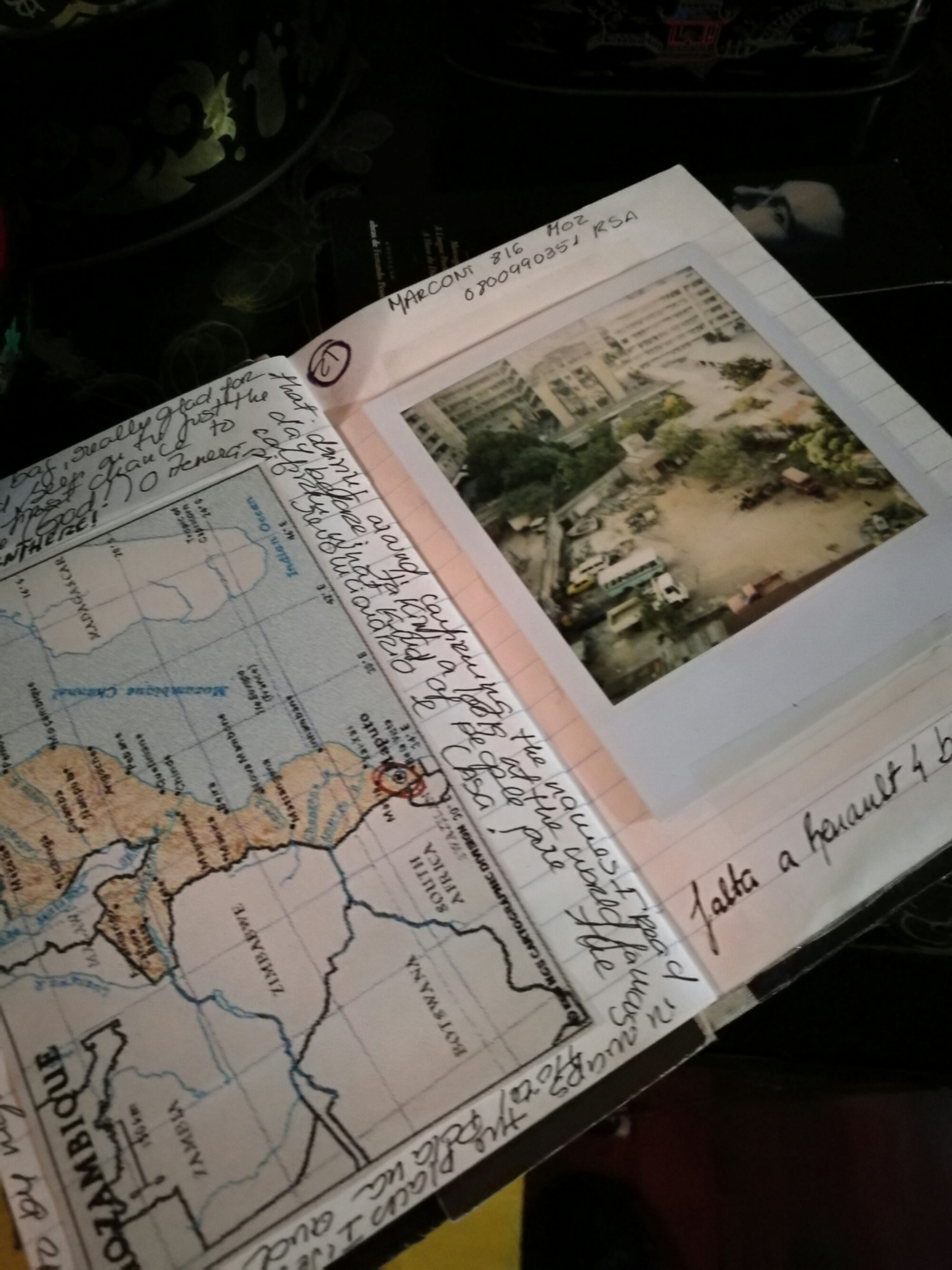
I went to Mozambique to do research on forced labour migration. Most of my first weeks were spent at the library of the Provincial Culture Centre in Rua do Bagamoyo, former Rua do Araújo in the also former “red light district” of the former Lourenço Marques.

The long balcony of the former brothel was where I spent my smoking breaks. Across the street there was a Pensão (I suppose a hostel by now) and the life of the Dutch couple staying there became also some sort of voyeuristic break. Under the balcony, every day, the same lady selling matchboxes danced to her own rhythmic section when she got bored.

This how research turned mostly into contemplation of life by the Indian Ocean.

Every morning I would pretend to be a morning person and go downtown at 6.30, have coffee at the Scala or the Continental and wait for the library to open while marvelling at the long line of men and women getting their shoes polished. We are proud of our shoes, Professor C. tells me. Most of us only have one pair, most probably handed down, we have to keep them looking new.
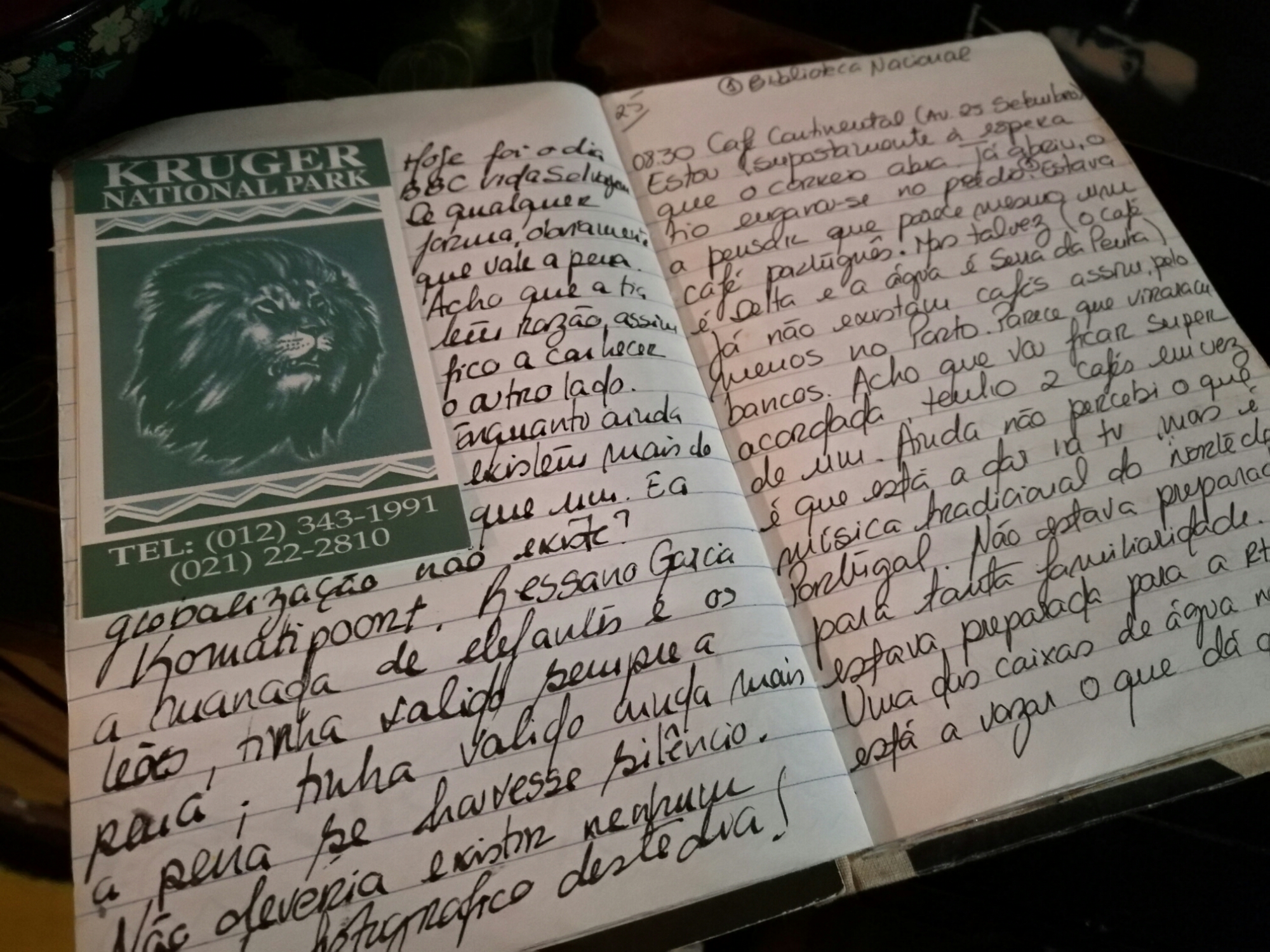
Before my aunt and my cousin go back to Portugal we go to Nelspruit to do some supermarket shopping. It felt like the old ritual of crossing the border to go to Tui or Vigo in Galicia for the same purpose before there were “free markets” and you could buy the same sort of things on the Portuguese side at the border. We get to Ressano Garcia and there are long lines of people and cars to cross to Komatipoort. I walk around amazed at the chaos of this mythical place that I knew only from books. It’s dirty and crowded. On the other side, I don’t have to wait, my passport is South African and everyone thinks I am American because of my accent. Nelspruit looks like a giant supermarket where people buy giant tins of butter. I had never seen a tin of butter before. We spend the night at a lodge near the Kruger Park and go visit the next day. There’s no diary entry for this. There are hundreds of photos and boxes of photographic slides (!) I still can’t find the words to tell anyone what it felt like.

My aunt and cousin return to Portugal in time for the start of the school year. I stay on with my uncle and Olga who worked as a cleaner and cook at the flat and was now a single mother of two after her husband left. We had fun together. There was a fabric warehouse just around the corner from our flat and we often went to buy capulanas and play dress up. With my uncle, there were a lot of arguments about how to “behave in Africa” and how to deal with “things you know nothing about”.

Outside, there was still a whole world to be explored and a lot of bureaucracy to deal with when trying to get authorization to see archives. The upstairs neighbour who owned the liquor store in Avenida Josina Machel tells on me because she saw me walking home. It’s not appropriate. Apparently.

I spend two days reading labour legislation at the Ministry. The intern there just got a scholarship to go to Holland to study for a Masters degree. He’s happy is not heading to Portugal to do that. I then move to the National Film Institute. I had an amazing two weeks in this place just watching movies and making friends.

Everywhere, I am surrounded by words and images and words and images that always have some sort of political meaning. And writers, and artists and liberation activists and foreign journalists that have stayed on after the colonial war was over. And Italians that have become African and don’t even speak Italian anymore. And generous souls that have shared pieces of their lives and changed mine.

Re-living these pages I am, sometimes, amazed at what I have written. From quotes of Ruth First and Margot Dias to somewhat futile accounts of every little detail of every walk around the city, every coffee, every encounter.

I didn’t want to risk missing a thing. I didn’t want to risk losing the memory of the place and of the people.

Re-living these pages, I am really sorry that I haven’t kept the habit of writing travel diaries. Re-reading some of these pages, I realise they are actually a script for the adventure movie of that African winter.


 

On the shoulders of giants

In December 2001 Salman Rushdie visited Porto for one of the final lectures in a series of conferences about the “Future of the Future”.  In 2001 Porto was, with Rotterdam, European Culture Capital  and the discussion of a post future at the end of a year that forever changed the collective perception of our present seemed appropriate. “The Middle Ages trying to destroy the Third Millennium”, he said.

Three months after 9/11 and 12 years after the fatwa on him, Mr. Rushdie walked alone in Porto. No bodyguards. Carefree.

On the last week before Christmas shops in downtown Porto stay open at night for people like me who can’t plan their shopping in advance. As part of our mini-tradition, me and my best friend went out for some late night shopping that December of 2001. We stopped at a deserted Café Majestic for tea. In 2001 there were no lists of “the most beautiful coffee shops in the world”, there were no lines of tourists at the door, there was no Maître d’ trying to bring some kind of order to the process of sitting down. In 2001  you could actually go in and sit and be almost alone. It was late and the gentleman sitting at the far end table by the piano paid his check and got up to leave. As he made his way to the door, Mr. Rushdie walked past our table and looked at the incredulity on my face and winked and left. I was brought up in a house of books, my father is a Literature professor and  meeting or just seeing one of these “giants”in person, still makes me feel as over the moon as a teenage girl coming face to face with her favourite rock star would.

ground

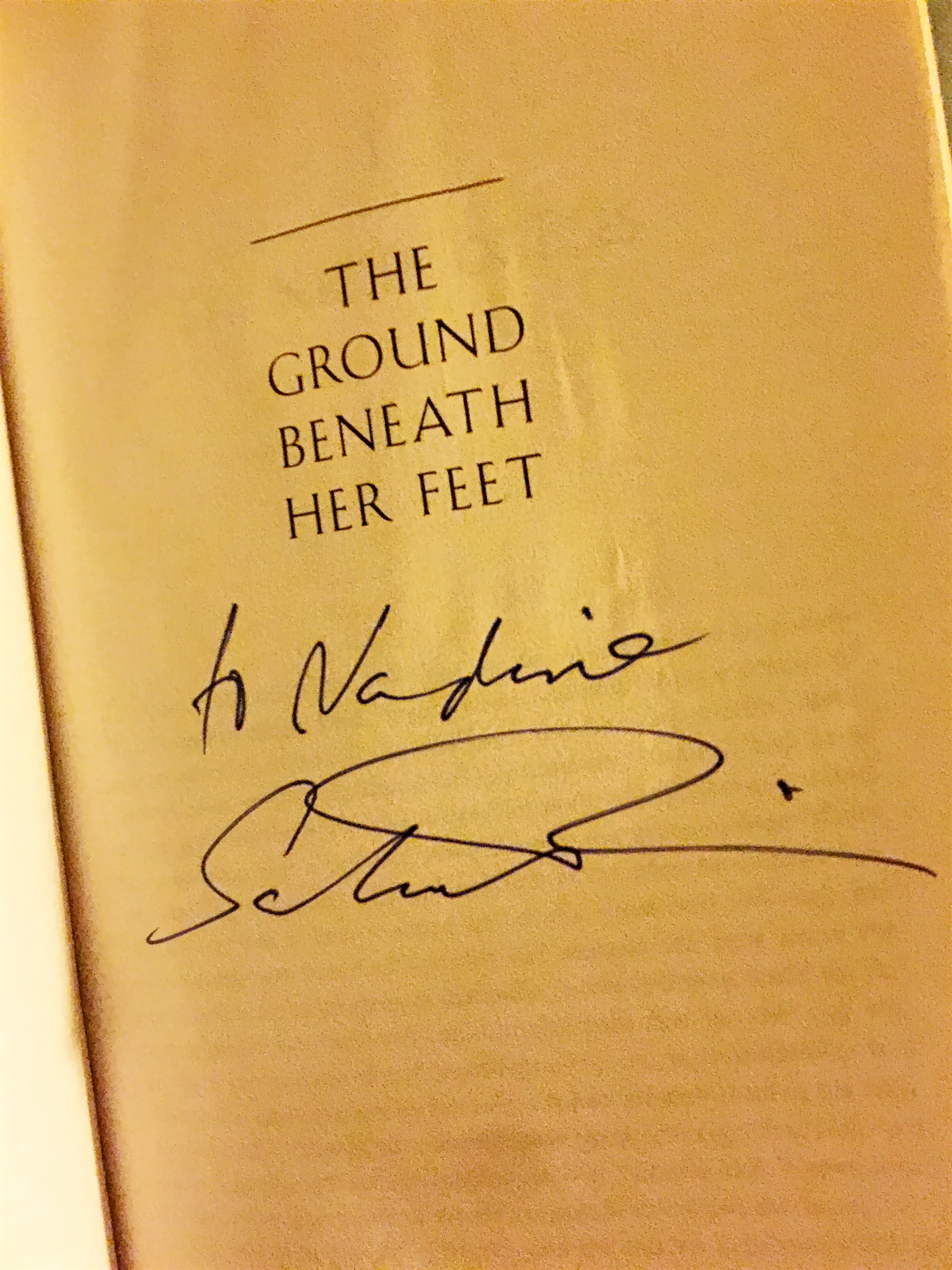
In June 2010 Sir Salman Rushdie was the keynote speaker at a conference I was attending in Kansas City and spoke about freedom and the media and the power of Literature and novelists  “who are able to probe the truth without being beholden to facts.” After his plenary address, I and few hundred others waited in line to have our books signed. Holding my copy of The Ground Beneath Her Feet, I approached his table and didn’t ask him if he remembered that night in December 2001. That was the fantasy conversation going on in my mind.

These line focus on Salman Rushdie because of a cold night in December 2001. They could easily be about Borges, Coetzee, Murakami, Pessoa, Auster, Cortazar, Sontag or many others. These are my superheroes. The ones with no x-ray vision but that are able to pierce into your soul and help you discover yourself. The ones that can’t fly but still make your imagination soar and plant the seed of invincibility in your heart. The fearless ones that keep fighting for their truth in a world that so many times keeps telling us that intellectualism is frivolous as if, paraphrasing Orwell, the only goal was to keep ourselves alive when the ultimate objective should be to retain our humanity. Or as Flexner, ten years before 1984 was published, questioned whether “there would be sufficient opportunity for a full life if the world were emptied of some of the useless things that give it spiritual significance; in other words, whether our conception of what is useful may not have become too narrow to be adequate to the roaming and capricious possibilities of the human spirit.”

img_0660

And because I am not superhero myself, I will keep borrowing the words

The old idea of the intellectual as the one who speaks truth to power is still worth holding on to. Tyrants fear the truth of books because it’s a truth that’s in hock to nobody. It’s a single artist’s unfettered vision of the world. They fear it even more because it’s incomplete, because the act of reading completes it, so that the book’s truth is slightly different in each reader’s inner world. These are the true revolutions of literature, these invisible, intimate communions of strangers, these tiny revolutions inside each reader’s imagination. And the enemies of the imagination, all the different goon squads of gods and power, want to shut these revolutions down and can’t. Not even the author of a book can know exactly what effect his book will have. But good books do have effects and some of these effects are powerful and all of them, thank goodness, are impossible to predict in advance. Literature is a loose cannon. This is a very good thing.

Salman Rushdie, The Power of the Pen

Such is the power of Literature and the super power of writers. They may not be the kind of hero that braves  against the violence of the natural world but they are of the same kind of the ones that “do the useless, brave, noble, the divinely foolish and the very wisest things that are done by man. And what they prove to themselves and to others is that man is no mere creature of his habits, no mere automaton in his routine, no mere cog in the collective machine, but that in the dust of which he is made there is also fire, lighted now and then by great winds from the sky!

References

George Orwell, 1984

Abraham Flexner, The Usefulness of Useless Knowledge

Salman Rushdie, The Power of the Pen

Walter Lippmann, Amelia Earhart – Herald Tribune – 7/8/37


Superhero

Tropicália

I’m standing at the entrance of the  room checking Caetano Veloso get on stage for the technical rehearsal of this evening’s show. And this is actually happening. Tropicália, one of the founding songs of the movement, echoes in the empty room and Caetano’s voice seems to hold me in a hug.

I grew up listening to Brazilian music, not specifically to Caetano whose music I only discovered in my 20s,  but to the amazing voices of Elis Regina, to the powerful words of Chico Buarque and the outrageous performances of Ney Matogrosso. That music, those words,  have functioned as my citizenship, like a deeper connection to a language that even though it’s my native language, I have never managed to master in an elegant way but could, none the less, substitute my passport.

I was not born in 1967, my generation didn’t actually have to create a revolution, we were born in the aftermath of insurrection and before red carnations took to the streets.

Brazil, a country I traveled to for the first time when I was 9, meant as a cliché, samba, beach and a carefree existence. Caetano’s songs showed me something else. A country that can hold the entire world in both its glory and its misery. I started paying attention to the music that makes you want to get up and celebrate life through dancing and to the words that make you stand still and think. Last time I was in Brazil was in 2000 while the celebrations for its 500 years of postcolonial history were underway. Walking through the streets of Salvador all the way up to a candomblé house made me feel thankful for paying attention. That’s where the music materialized itself, in the Roma Negra.

From Porto Seguro and Salvador, the journey ended in Rio de Janeiro and I could still hear the words, who hasn’t felt the swing of Henri Salvador. We were staying in Copacabana and took the bus to the Flamengo neighborhood to see the Carmen Miranda Museum on an amazing journey through scandalous platform shoes and outrageous costumes and jewelry. A dream closet. In all her esthetic exaggeration, the adopted icon of tropicalism was a true precursor, taking it all in, who she was, who others thought she was, Europe, America and the tropics in one flamboyant persona.

Oswald’s anthropophagy, the solution to the problem of identity, the antidote to having your mind chained to labels and to grim  values of behavior and morality. Thoroughly thought anarchy and cultural eclecticism, helas, flamboyance as a beautiful form of resistance.

Movements become dated and even our music heroes get old but this evening, the Coliseu sang Tieta to the ones that still shine brighter than a million suns and Gilberto Gil, all dressed in white, danced. And I have no films, photos or recordings and yet it will be registered forever.

References

Photo cover to Tropicália ou Panis et Circencis by Mário de Andrade

Reconvexo

Luz de Tieta

Sign O’ The Times

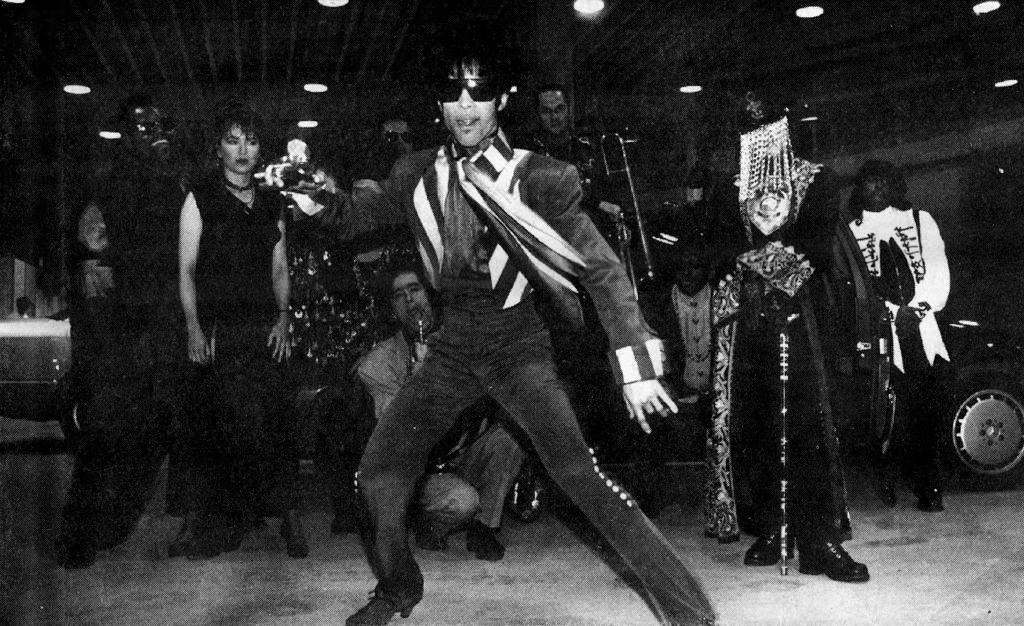
On August 17 1993, a lifetime ago, me and the three people that were the closest to me at the time (one of them is still my best friend), drove to Santiago de Compostela to see “The Artist formerly known as Prince”. I think he had played in Lisbon the day before or was going to the day after but Santiago is closer to Porto and the tickets were considerably cheaper in Spain.

Before the European funded highways and the open borders that made life so much simpler for a while, traffic in Porto was chaotic and someone ended up bumping our car from behind at the still today chaotic “Rotunda dos Produtos Estrela”. I remember we all got out of the car shouting at this poor man that we had to go to Spain and he was going to make us late. He didn’t. The car didn’t even have a dent.

We drove first to Viana do Castelo to pick up the fourth element of our little pilgrimage. We actually managed not to get lost driving in Santiago and had to park the car some 2 km away from the venue. And then we hiked up hill and reached Monte do Gozo all sweaty and scratched and waited around for that magic moment when Prince finally showed himself on stage and the concert started.

Monte do Gozo is known for being the place where Christian pilgrims on the Camino de Santiago  get their first views of the three spires of their destination, the Cathedral of Santiago de Compostela. At 370 metres (1,210 ft),it is the pilgrims’ last hill and last stop before reaching the cathedral, with about an hour’s walk still to go, and by tradition is where they cry out in rapture at finally seeing the end of their path.

For us, it was also the end of a journey although it felt like the beginning of a new way of living. It was the perfect setting for a perfect experience, we walked down hill back to the car feeling whole in the way that only music you love can make you feel. We drove back singing Purple Rain as loud as we could and in the early hours of the morning waited for the “Pastelaria Fãozense” to open so we could eat some “clarinhas” (traditional squash pastry). The 229th day of 1993 was a perfect day. As far as I can remember, all the days of the summer of 1993, spent between Porto and Viana, lying in the sun and dancing the night away, where perfect.

Prince Setlist Monte do Gozo, Santiago de Compostela, Spain 1993, Act II

Today, according  to a friend who is counting time post by post on her Facebook timeline, is the 110th day of a year that I feel I don’t want to experience anymore. If the sense of loss of humanity seems to invade our life with every news report of people being washed ashore while others sunbathe, of stranded lifes in filthy refugee camps and of horror stories behind closed doors, today this sense of loss runs deeper. Not because some lifes seem to be more important.  Some people’s talent just transform the world into a place where you actually want to be.
In the midst of collective mourning, the loss of someone who composed my “coming of age soundtrack”, after I understood that while I have a somewhat melancholic personality, I am not depressive enough to embrace darker tunes, is also deeply personal.  And sometimes you don’t even see it, you’re too busy hurrying so you get somewhere before it’s too late. And you never get anywhere. You have just left the sign of the times mess up with your mind.

In days like today I realize that I locked away a part of what I have lived and that I will not be able to recover it. In days like today I fear that the world is becoming flat again. And square.

Take me to the streets of Portugal
That might be my destiny to see the waterfall
Tears or rain, they’re all the same
The only way to win this game
To let everybody play and share the ball

References

Sign O’ The Times (1987) and Lavaux (2010)

Photo:  Backstage Auditorio do Monte do Gozo, Santiago de Compostela, Spain – August 17th, 1993 via The Prince Army