Listening

10.06 am Train 122 to Lisbon

The woman wearing a green polyester dress and a fake fur jacket is a lawyer. She needs a plumber because the faucet in her bathroom is leaking. She hang up that call and is now talking to her friend Ritinha about her marriage and how taking confession at the Vatican with a Spanish priest has helped to cope and forgive even though she is still hurt. Maybe he cheated on her. She has decided to start her master’s degree. Maybe she will get to be a judge. She needs to work on her resume and then move to do a Doctorate, something on tax and fiscal law. Her friend has a better resume, it seems. Anyway, she wants to base her studies in practical cases so she doesn’t feel the pressure of the doctrine. Her son, Francisquinho stayed with her mother-in-law. Her husband António stayed in Porto. She doesn’t like to be alone. She is going to Coimbra to fix her diploma, the silver seal and the ribbons are missing. She had the diploma framed the minute she got it. She couldn’t resist. She hangs up. Her friend is probably busy.

12.30 pm 

We have arrived at Santa Apolónia Station. The smart looking old gentleman seating across the corridor has a beautiful engraved cane. I offer to take his bag down. He tells me that the only good thing about growing old is the young people who are willing to help. He reassures me that he was young once. 

1 pm blue line subway train

The lady wearing a tropical print maxi skirt is on the phone explaining she is late and that she has forgotten her check book. She will have to pay the deposit in cash.

1.20 pm Calouste Gulbenkian Museum

I register for the conference and buy the ticket to see the Almada Negreiros exhibition. I stop listening. Chance encounters and unexpected company bring out the chatterbox in me. 

4 pm international congress on Fernando Pessoa

The session is on “Fernando Pessoa the classicist”.  I seem to not really be listening to most of it. Athena magazine and the supreme art form. Inferior art is meant to please, average art should elevate you and the superior art sets you free. It makes your soul rise above everything that is narrow in life, by freeing you it goes beyond elevation which can only occur outside oneself. The supreme art frees you from within. Ricardo Reis and the classic form, syntactic analyses of five odes to a boy who is dead. Homoerotic poetry or simply a lyrical lament for the person that was and is no longer. Questions from the audience in academic conferences always tend to be transformed into frustrated presentations.

The beautiful blonde lady with flawless skin seating next to me comes to the conclusion that the more she searches for knowledge, the more she realizes that there’s just too much to be learnt.

5.30 pm coffee break

I run back to the exhibition room.I forgot to write down the references for some of the paintings. In a dark room Eros and Psyche shine from a rectangular stained glass panel. On the way out there’s a painting called “Family”. I have a replica bought at a jail art fair. It’s not very good, I just find it moving that it was painted by someone serving time in prison.

6 pm back at the conference hall

This is the session that made me travel today. Intellectual giants are still my superheroes.

Professor Eduardo Lourenço is 93. He is here, he says, as a ghost of himself. There is a new generation of experts who have the most admirable of qualities, they are alive and he had, for quite some time now, abdicated of giving presentations at events such as this one. But he came as “one of the victims of the fulgurating passage of that star, that absolute vampire who was Fernando Pessoa (…) because once the Pessoan Galaxy hits you, you are forever transfigured, blood and soul sucked out of you by the celestial vampire who bragged that he could be everything in every way”. And that makes him extraordinary and baffling. How can, Professor Gil, asks, one live with a shattered self? How is it that this person never sought to unify but could clearly understand himself and the world as parts without a whole, infinitely multiple. And the risk of madness, the divine folly of wanting to continuously devour everything, of becoming the interlocutor of everything by transforming even the most insignificant experience into an universal reaching reading of ourselves.

To feel everything in every way.
To feel everything excessively

7.50 pm the train will leave in 10 minutes

The man in scruffy blue overalls is telling the girl wearing a jersey in earthy tones that people now are very much attached to their pets because they know other people are going to be a disappointment. That is what’s wrong with the world. We are becoming irrational because of our egos and because of greed. We are losing our values, he says, we are losing our love for each other. And what happens when there’s no love? We live in terror, we loose ourselves. He has to go but before he does, he apologizes for his impassioned speech, “I can be a bit of a pain sometimes”.

10 pm we just left Coimbra. There’s never much talking in night trains, specially on a Friday.


Photo: Untitled, Almada Negreiros (1921) Watercolour on paper

Heard

This is not solitude, ’tis but to hold

solo

To sit on rocks, to muse o’er flood and fell,
To slowly trace the forest’s shady scene,
Where things that own not man’s dominion dwell,
And mortal foot hath ne’er or rarely been;
To climb the trackless mountain all unseen,
With the wild flock that never needs a fold;
Alone o’er steeps and foaming falls to lean;
This is not solitude, ‘tis but to hold
Converse with Nature’s charms, and view her stores unrolled.

But midst the crowd, the hurry, the shock of men,
To hear, to see, to feel and to possess,
And roam alone, the world’s tired denizen,
With none who bless us, none whom we can bless;
Minions of splendour shrinking from distress!
None that, with kindred consciousness endued,
If we were not, would seem to smile the less
Of all the flattered, followed, sought and sued;
This is to be alone; this, this is solitude!

George Gordon Byron

Photo: Flying to Poznan, June 2016

Solitude

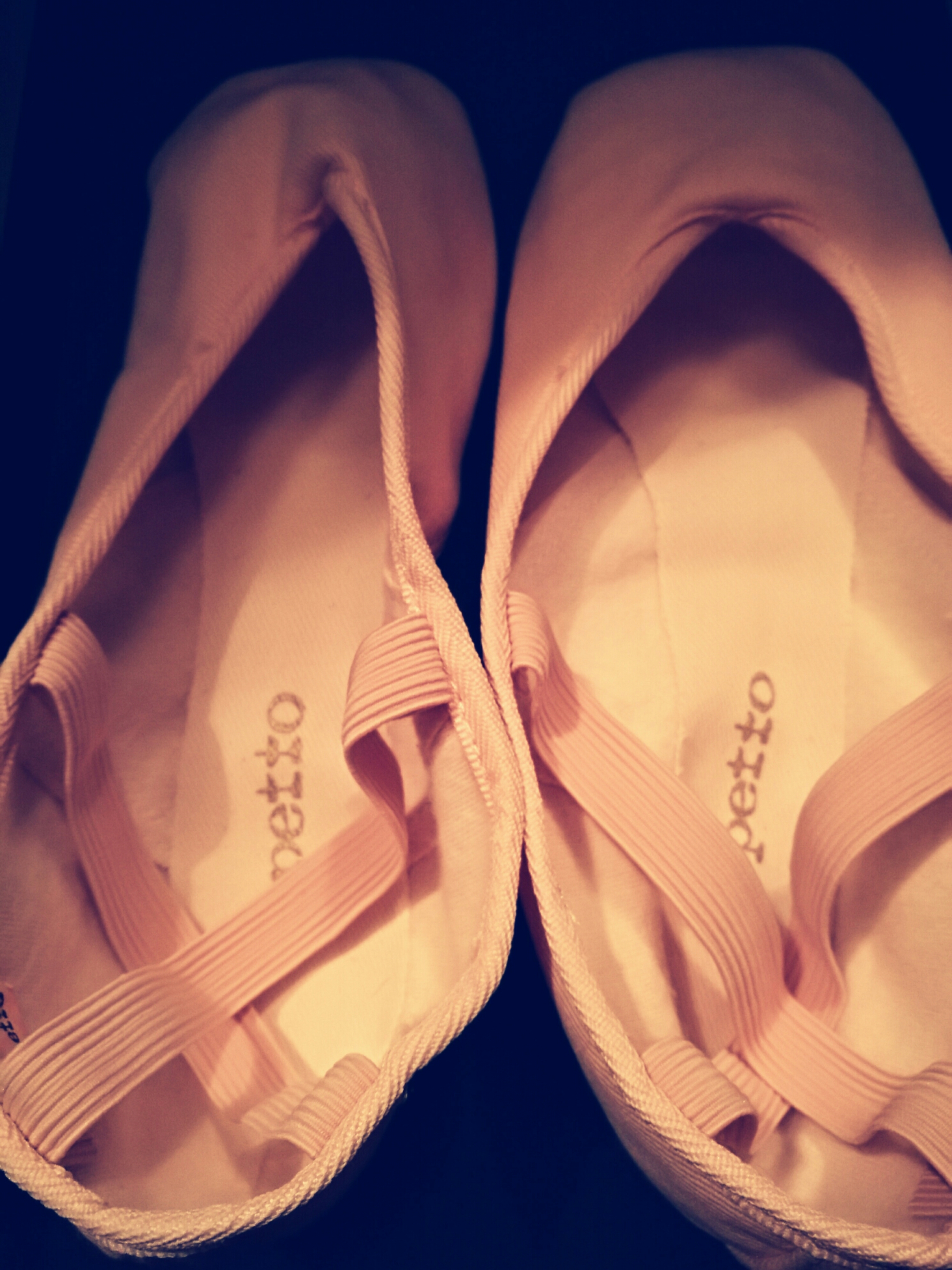
First ballet shoes

The pink of the leather turned out to be a lighter shade than I’d hoped, it looked like the underside of a kitten, and the sole was a dirty grey cat’s tongue, and there were no long pink satin ribbons to criss-cross over the ankles, no only a sad elastic strap (…)

Zadie Smith, Swing Time

I remember my first ballet shoes. After being accepted to the dance school, my mum took me to Porfirios in Rua Santa Catarina to buy the light blue leotard and skirt and that same kind of faded ballet pink leather shoes. I don’t actually remember the details but I remember the smell of those very first ballet slippers.

Scent is, in a way,  charged with history (…) the sense of smell is, as McLuhan stresses,” iconic”. In the same perspective, we could also say that it is the narrative epic sense. It brings together, weaves and condenses historic happenings into an image, into a narrative composition. 

Byung-Chul Han, The Scent of Time

Scent gives us back who we are by conferring some kind of stability to our own narrative, allowing us to make sense of ourselves by composing some sort of self-portrait. My childhood smells like new ballet shoes. This is a scent I have tried in vain to reencounter. New ballet shoes don’t have that exact smell anymore. In October last year, I bought new shoes. I prefer canvas to leather now and split soles and pre-sewn elastics. I haven’t been to ballet class yet. Life or some other excuse has been in the way.

It was also the aroma of possibilities, once they’re gone, they’re gone.

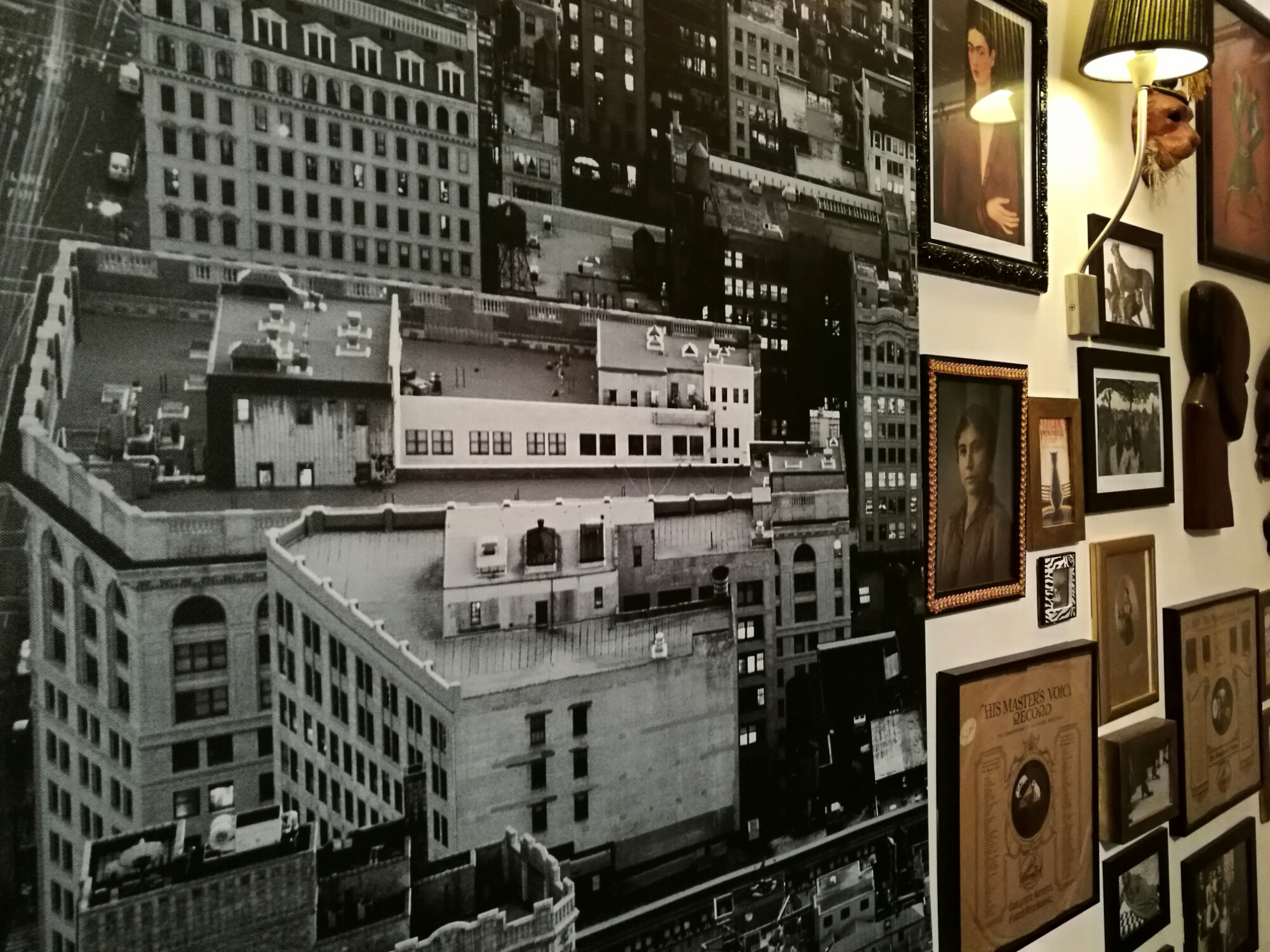
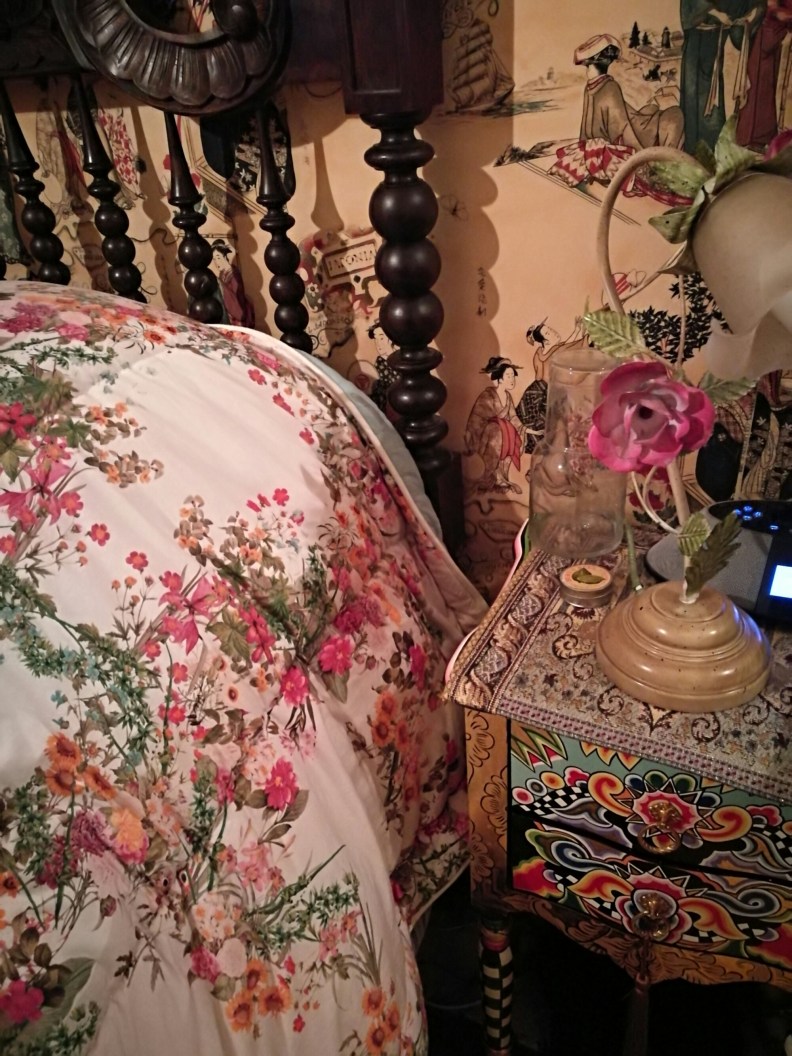
The Wharton School –  a critical house tour


Pictures representing life and action often grow tiresome when looked at over and over again, day after day.

There are but two ways of dealing with a room which is fundamentally ugly: one is to accept it, and the other is courageously to correct its ugliness.


Where much pattern is used, it must be as monotonous as possible or it will become unbearable.

Plain shelves filled with good editions in good bindings are more truly decorative than ornate bookcases lined with tawdry books.

Not only do mediocre ornaments become tiresome when seen day after day, but the mere crowding of furniture and gimcracks into a small room intended for work and repose will soon be found fatiguing.


The money spent on a china “ornament” in the shape of a yellow leghorn hat with a kitten climbing out of it would probably purchase a good reproduction of one of the Tanagra statuettes or a plaster cast of some French or Italian bust.

That cheap originality which finds expression in putting things to uses for which they were not intended is often confounded with individuality; whereas the latter consists not in an attempt to be different from other people at the cost of comfort, but in the desire to be comfortable in one’s own way, even though it be the way of a monotonously large majority.

It is one of the misfortunes of the present time that the most preposterouly bad things often possess the powerful allurement of being expensive.

Wharton rallied against the “black art” and “dubious eclecticism” that was the house decoration of her day. Thick curtains, dinner tables covered in velvet, bric-a-brac of the era, and “a great deal of gilding” were, in the mind of Wharton, totally out.

I still haven’t found the perfect velvet curtains for the living room.

References

Edith Wharton by Design

Lapham’s Quarterly

Exposure

Reinterpreting – Marchesa Luisa Casati

Casati was born Luisa Adele Rosa Maria Amman on January 23, 1881

Determined to become a “living work of art”, she lived her life as a reaction to her horror of the mundane, crafting herself into an otherworldly creature whose image was her voice.

Christian Dior Spring 1998 Couture

An outsized personality, hers was a life lived in performance.

Christian Dior Spring 1998 Couture

She was in herself and in her creations an unforgettable spectacle, and although by the time of her demise she had ceased to live a gilded existence, her legacy was not about to fade away

Christian Dior Spring 1998 Couture

But life as performance seems to bear the ingredients of tragedy. As described by Jean Cocteau,

As soon as she came out of her dressing room, the Marquise Casati received the applause usually given to a famous tragedian at her entry to the stage. It remained to act the play. There was none. This was her tragedy.


Is it the common choice of those who don’t feel that they belong or are seen (or feel themselves to be) as inadequate to choose being the performance of self over being oneself?

Tilda Swinton by Paolo Roversi

Age cannot wither her, nor custom stale her infinite variety
William Shakespeare 

Anthony and Cleopatra

References

An Ode to the Singular Marchesa Luisa Casati

Anarchists of Style: Marchesa Luisa Casati

Marchesa Casati Goth, Glamorous and Wild 

http://www.vogue.com/fashion-shows/spring-1998-couture/christian-dior

Mozambique 97

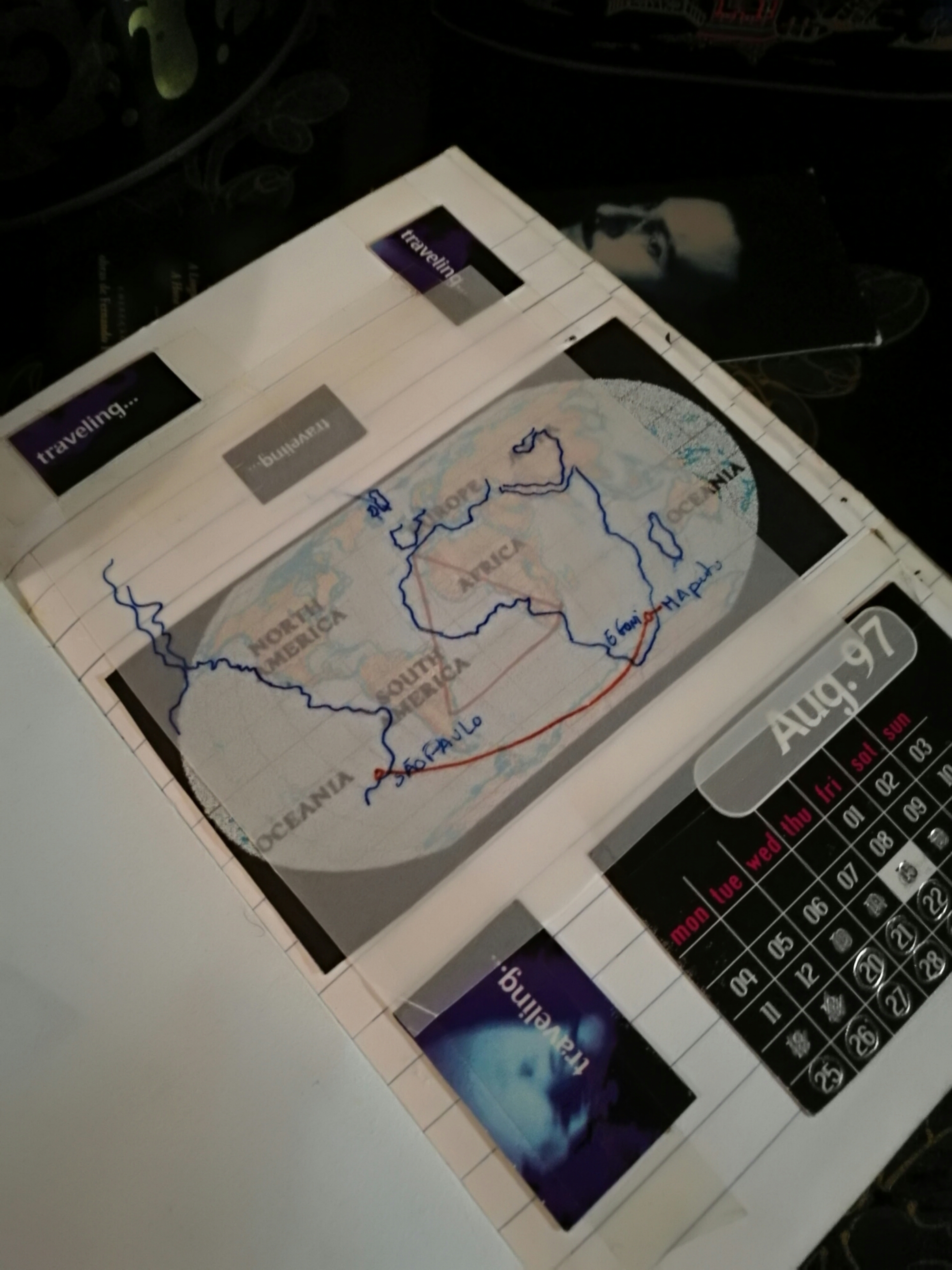
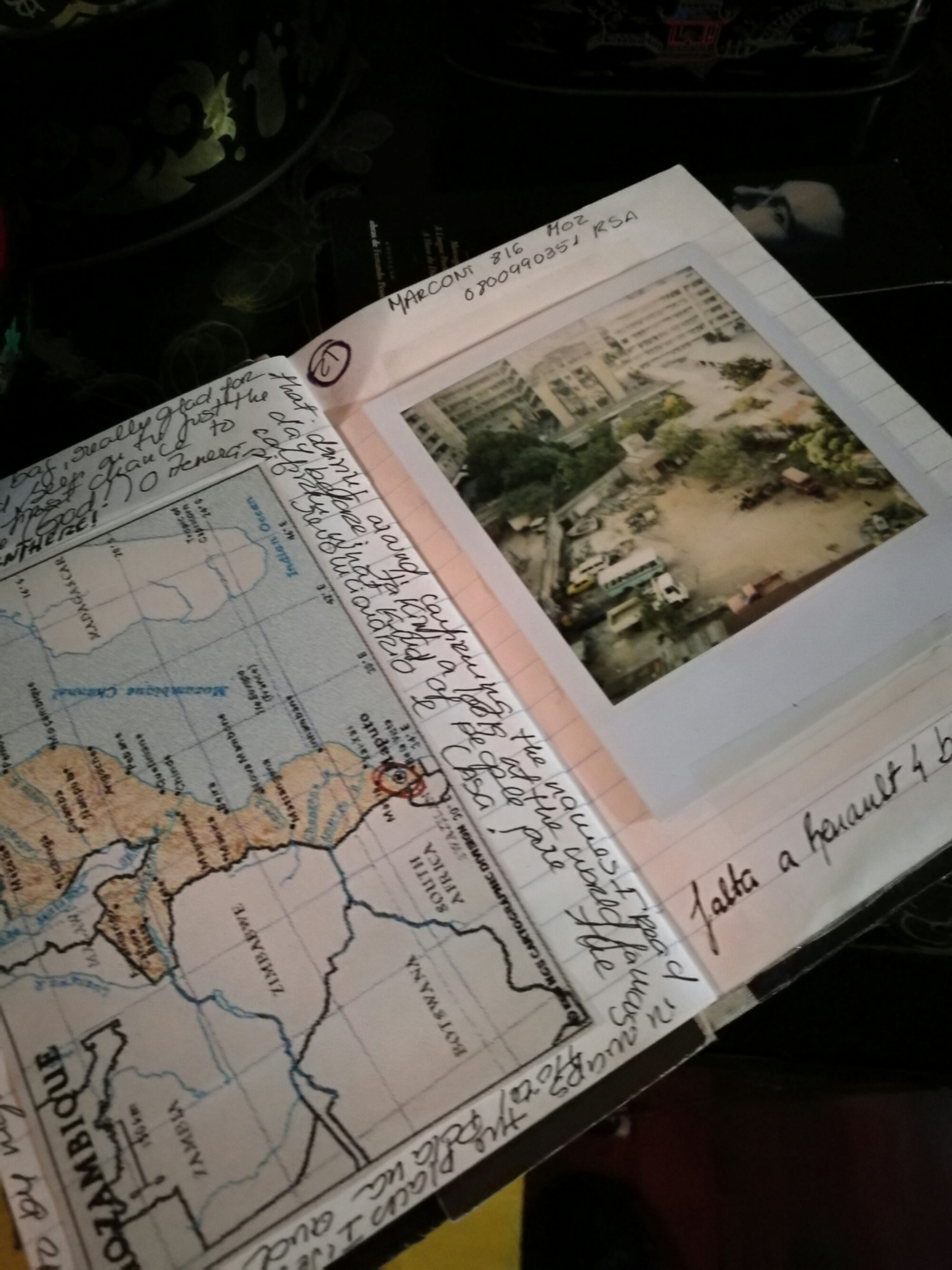
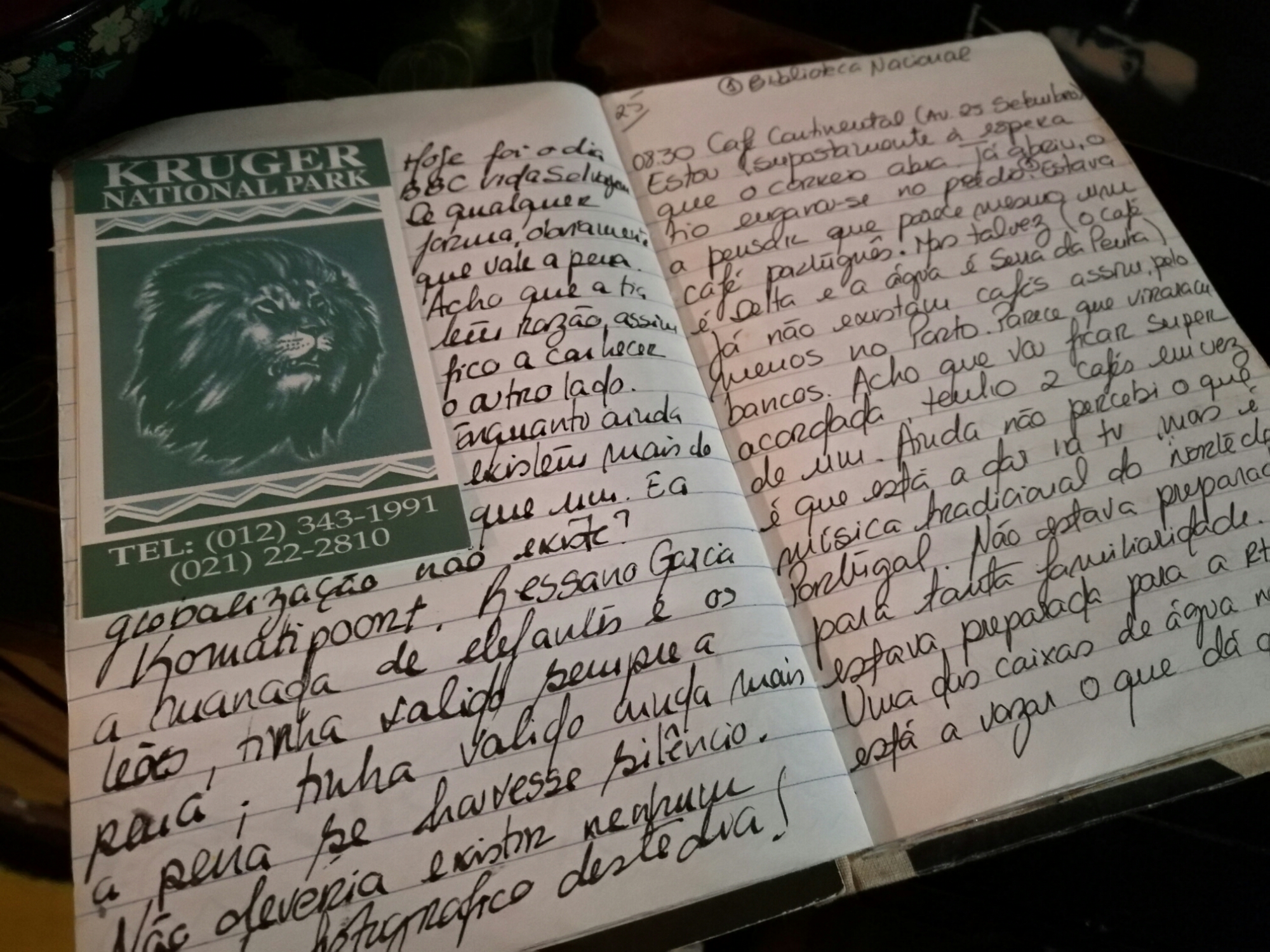
In August 1997 I travelled from Brazil, where I was on vacation with my parents, to Maputo where I stayed for a while with an uncle who was working there at the time. These are pages from my travel diary.

After six days in Porto Alegre, a city I was quite familiar with during my teens and early twenties, I flew to São Paulo to get on the flight to Beijing which had its first stop in Johannesburg.

At Guarulhos I waited,  trying to read Raygun magazine’s special issue on Cinema and Music.

I think my mistake was that I thought you could live the things that you acted. But I realized that that wasn’t the case. Then I realized that I would be better suited to try to do that but without an audience. To pretend I was in the movies all the time, basically. And to try to create a narrative flow out of actions, and sequences and events.

Will Oldham in that Raygun Magazine

My mum made me promise I wouldn’t get out of the airport in Johannesburg during the six-hour-long layover. I did. I took a taxi and Philly drove me downtown to Museum Africa and drove past Ponte Tower and took me to Ellis Park and the flea market in Gateway and told me I should walk around Carlton Center and I remembered that my mum used to talk about this place. There were people playing chess on a gigantic board. I was born in Johannesburg. How could I not go out?

I arrived in Maputo at night. My uncle, my aunt and my cousin picked me up and drove me home, a big apartment in Avenida Albert Lutuli, overlooking the Aga Khan foundation from the living room and the car park on the Polaroid from my bedroom.

I went to Mozambique to do research on forced labour migration. Most of my first weeks were spent at the library of the Provincial Culture Centre in Rua do Bagamoyo, former Rua do Araújo in the also former “red light district” of the former Lourenço Marques.

The long balcony of the former brothel was where I spent my smoking breaks. Across the street there was a Pensão (I suppose a hostel by now) and the life of the Dutch couple staying there became also some sort of voyeuristic break. Under the balcony, every day, the same lady selling matchboxes danced to her own rhythmic section when she got bored.

This how research turned mostly into contemplation of life by the Indian Ocean.

Every morning I would pretend to be a morning person and go downtown at 6.30, have coffee at the Scala or the Continental and wait for the library to open while marvelling at the long line of men and women getting their shoes polished. We are proud of our shoes, Professor C. tells me. Most of us only have one pair, most probably handed down, we have to keep them looking new.

Before my aunt and my cousin go back to Portugal we go to Nelspruit to do some supermarket shopping. It felt like the old ritual of crossing the border to go to Tui or Vigo in Galicia for the same purpose before there were “free markets” and you could buy the same sort of things on the Portuguese side at the border. We get to Ressano Garcia and there are long lines of people and cars to cross to Komatipoort. I walk around amazed at the chaos of this mythical place that I knew only from books. It’s dirty and crowded. On the other side, I don’t have to wait, my passport is South African and everyone thinks I am American because of my accent. Nelspruit looks like a giant supermarket where people buy giant tins of butter. I had never seen a tin of butter before. We spend the night at a lodge near the Kruger Park and go visit the next day. There’s no diary entry for this. There are hundreds of photos and boxes of photographic slides (!) I still can’t find the words to tell anyone what it felt like.

My aunt and cousin return to Portugal in time for the start of the school year. I stay on with my uncle and Olga who worked as a cleaner and cook at the flat and was now a single mother of two after her husband left. We had fun together. There was a fabric warehouse just around the corner from our flat and we often went to buy capulanas and play dress up. With my uncle, there were a lot of arguments about how to “behave in Africa” and how to deal with “things you know nothing about”.

Outside, there was still a whole world to be explored and a lot of bureaucracy to deal with when trying to get authorization to see archives. The upstairs neighbour who owned the liquor store in Avenida Josina Machel tells on me because she saw me walking home. It’s not appropriate. Apparently.

I spend two days reading labour legislation at the Ministry. The intern there just got a scholarship to go to Holland to study for a Masters degree. He’s happy is not heading to Portugal to do that. I then move to the National Film Institute. I had an amazing two weeks in this place just watching movies and making friends.

Everywhere, I am surrounded by words and images and words and images that always have some sort of political meaning. And writers, and artists and liberation activists and foreign journalists that have stayed on after the colonial war was over. And Italians that have become African and don’t even speak Italian anymore. And generous souls that have shared pieces of their lives and changed mine.

Re-living these pages I am, sometimes, amazed at what I have written. From quotes of Ruth First and Margot Dias to somewhat futile accounts of every little detail of every walk around the city, every coffee, every encounter.

I didn’t want to risk missing a thing. I didn’t want to risk losing the memory of the place and of the people.

Re-living these pages, I am really sorry that I haven’t kept the habit of writing travel diaries. Re-reading some of these pages, I realise they are actually a script for the adventure movie of that African winter.


Restarting

Recomeça….
Se puderes
Sem angústia
E sem pressa.
E os passos que deres,
Nesse caminho duro
Do futuro
Dá-os em liberdade.
Enquanto não alcances
Não descanses.
De nenhum fruto queiras só metade.
E, nunca saciado,
Vai colhendo ilusões sucessivas no pomar.
Sempre a sonhar e vendo
O logro da aventura.
És homem, não te esqueças!
Só é tua a loucura
Onde, com lucidez, te reconheças…

Miguel Torga

I can’t, unfortunately, translate poetry without murdering it. This is how I feel I want my year to be after not celebrating anything and going to bed before 12 last night. No anguish, no hurries. Free. Whole and never enough.


Photo via Pinterest

I am myself again

A woman who cuts her hair is about to change her life. So said Mademoiselle Chanel. I  had my hair cut short last Friday, after two years of trying to be a long haired person. I am not. Half my hair was gone and looking at myself in the hairdresser’s mirror, I just saw happiness looking back at me. I was back to being myself.

I had my hair cut on the last Friday of the year as a way of celebrating an ending and just start moving forward. Again. I came back home to reread Joan Juliet Buck’s essay on short hair.

Women with short hair always look as if they have somewhere else to go. Women with long hair tend to look as if they belong where they are(…)

My life most probably will not change radically after a radical haircut, my perception of myself always does. I am no longer standing still, fitting others’ perceptions, I am taking back my story. This what a bare neck feels to me.

“No matter how far you travel, you can never get away from yourself.”

In Retrospective, a cinematographic year without the scent of time. I have accomplished nothing. I kept zapping.

References

Haruki Murakami, After the Quake

Byung-Chul Han, The Scent of Time

Saved by Beauty

biblioteca

References

Byung-Chul Han

I’m writing a new book about beauty. I decided to do it after reading an interview with Botho Strauss. When asked what he misses, Botho Strauss answered: “beauty”. He didn’t say anything else – I miss beauty, and I got it. So then I thought, I’ll write a book about beauty. 

“But the beauty is in the walking — we are betrayed by destinations.” — Gwyn Thomas

So this was Christmas

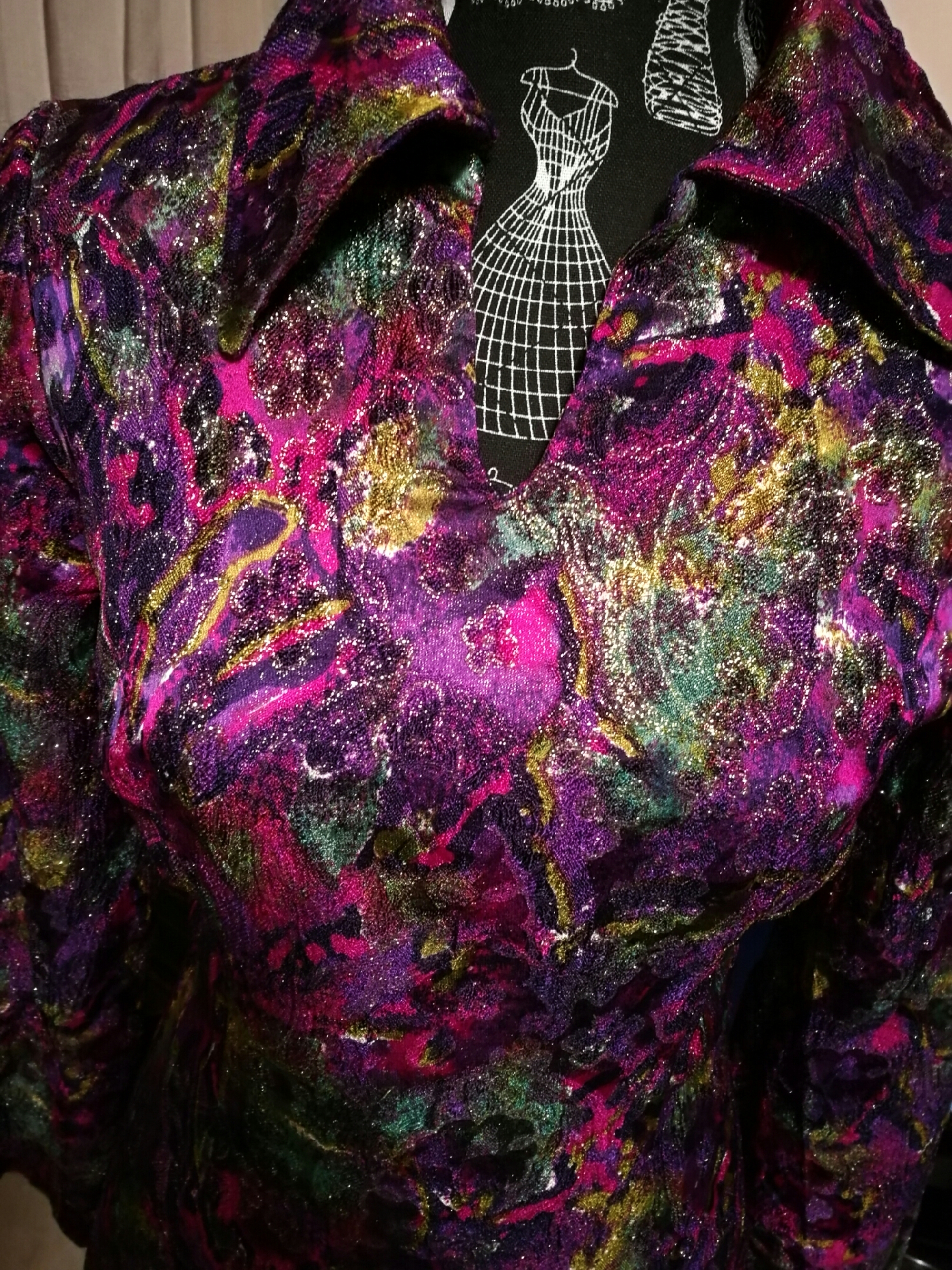
Last year Christmas was at my parents’ and I showed up extremely overdressed in a 70s brocade hostess dress. That was the movie in my head.

Since my grandmother and my great-aunt died, Christmas was put on suspension until it somewhat became unimportant and almost meaningless.

This year, my parents decided to go on holiday so for me there was no family dinner, no dressing up. It was grand.

On the morning of the 24th I followed the Butcher’s Brass Band through downtown Porto.

Butcher’s Brass band from Stella on Vimeo.

In the afternoon I visited a friend who ended up spending her Christmas in hospital. I don’t think she actually wanted to see people.

I only managed to meet by best friend for coffee after 5 p.m. We had to go to the train station, everything else was already closed. There’s a nice franchise place pretending to be real where you can have all sorts of complicated caffeinated beverages. There’s a lady with a little blonde girl sitting at the table next to ours. The little girl smiles at me and I smile back. She gives me a raisin. I thank her in French and her grandmother is happy she can ask for help with the tickets. Our French is not good but seems to work. I give the little girl a tissue printed with cats. She looks happy and tells us she has kittens at home. They’re from Belgium and are traveling to Aveiro to spend Christmas with the little girl’s uncle and his family. They leave.

loios

We go out to  check the fancy Alumia project “created to bring a new light into the Historic Centre of Porto and celebrate its 20th anniversary as World Heritage.” It looks much better on the website. At least the installations we managed to see. You can never believe what you see in photos.

statement
This is the one I was looking forward to see because I do spend a considerable amount of time looking for walls that make a statement. By artist Tiago Casanova the tiled wall stands where the ” Fernandina Wall” used to stand, by creating a visual barrier, it “evokes reflection over freedom and timeless building of social and economic walls.” I spent most of the year looking for walls with statements.

make-porto-podre-again


Still, it’s nice to walk on empty streets.

xmas

We had dinner at home. Not the traditional Christmas dinner, just nice and only for two. I watch old Hitchcock Presents episodes. Only one is about Christmas. I’m waiting for midnight to open my presents but I remember that when I was a kid at my grandparents we used to wait until Christmas morning. I decide to do that instead.

The coffee shop by us was opened, we have coffee and go for a drive. The day is sunny and bright and the sea has a beautiful silver reflection. We drive the long way to get to my brother’s for lunch. Everyone is paying attention to their phones and Whatsapp family group to have news of the baby waiting to be born. Poor kid, having a birthday at Christmas. It will never be about him.Conversations jump from being in labor to newborns to faith and DNA and genetic manipulation.

casablanca
Back at home, the marathon of classic movies is still on, Gilda, The King and I, Casablanca, 8 1/2.

The Washington Post news alert tells me, at 11.31 p.m., that George Michael has died. I look at the screen in disbelief. Yes, I’m sure that 1914 and 1939 were much worse than 2016 but this year just seems to be wiping out history as I knew it, taking talent away, leaving a selfish sense that yes, no matter how much you pray for time, you just see your youth disappearing.

I remember the first brand new car I ever got, a dark blue Wolkswagen Polo with a CD player that eventually got stolen. The guy at the car dealer gave me “Listen withouth prejudice” so I could drive away with music.

listen

The new baby held on until 5.30 this morning. I guess he just wanted his own day.

This was Christmas. It’s over. We don’t do Boxing Day in Portugal


Festive

It’s not courage, it’s elegance

The only thing I like about the month of December is the circus at Coliseu.

Not the clowns. But the confirmation that we are meant to fly.

References

António Lobo Antunes

Anticipation

Maybe it could be different


img_1380


It’s Not This Time of Year Without… insane traffic, crowded shopping malls, the premature  stress of shopping and last minute to-do lists enhanced by premature decorations,accelerated consumption, marketing created traditions, the same songs playing in loop, awkward get-togethers and the promises that next year, yes, next year it will be different.

That magic moment

[That] Magic  moment so different and so new

img_1312

Was like any other until I met you 

img_1316

And then it happened 

img_0158

You took me by surprise 

img_1315

Sweeter than wine

img_1311

Softer than a summer’s night 

img_1314

References and inspiration 

Pomus, Shuman, Reed, Auster, Coetzee, Vonnegut, Dostoyevsky, Kerouac, Rushdie, Gordimer, Camus, Pessoa, Hughes, Sá-Carneiro, Smith, Atwood, Plath, Faulkner, Shakespeare, Lampedusa, Maugham, Breyner, McCullers, Selby Jr., Williams, Morrison, Blake, Loriga,…………Dad

img_1317

Everything I want, I have

 end_1324