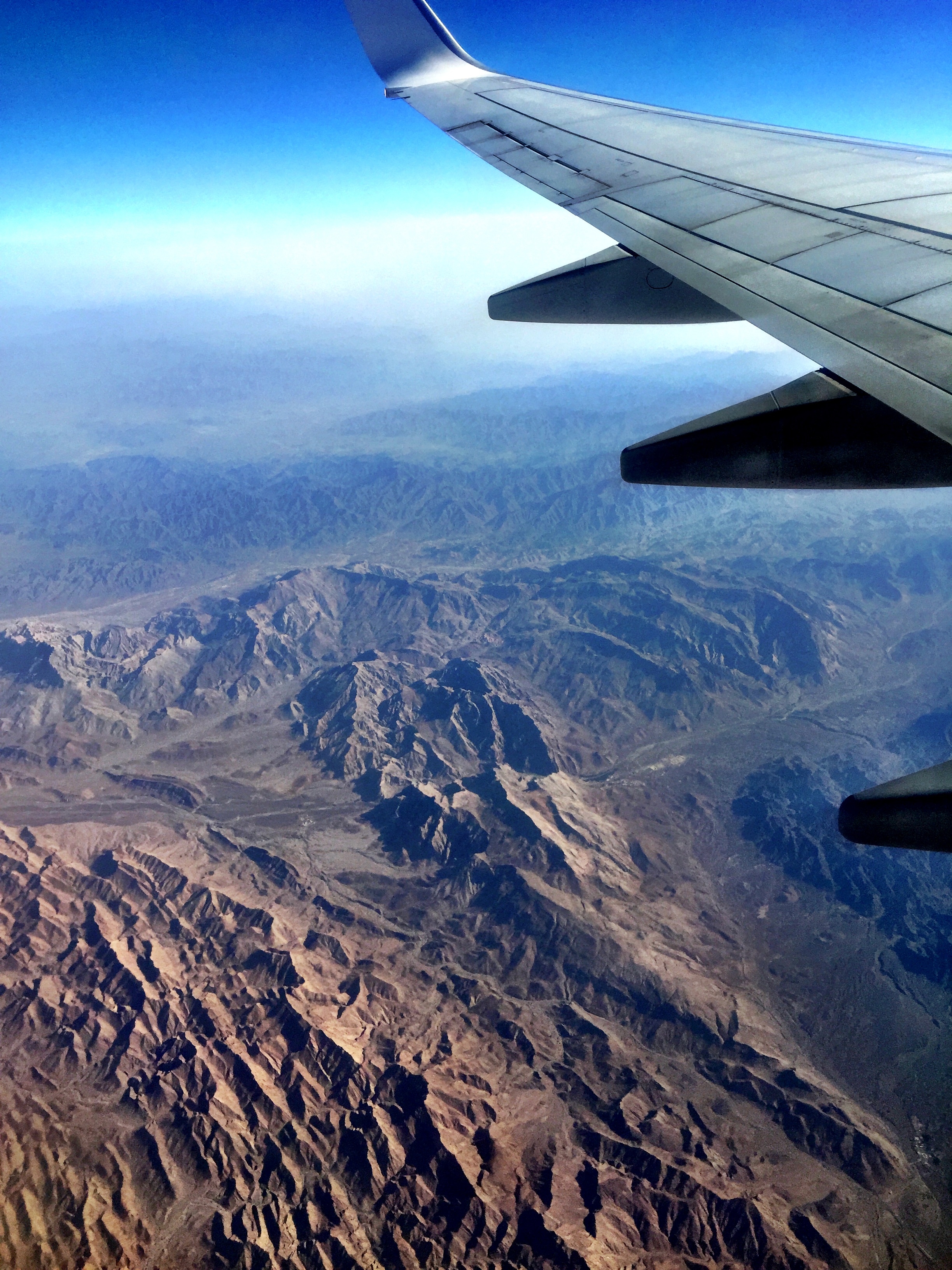
Lingering

Come to me in the silence of the night;
    Come in the speaking silence of a dream;
Come with soft rounded cheeks and eyes as bright
    As sunlight on a stream;
       Come back in tears,
O memory, hope, love of finished years.

O dream how sweet, too sweet, too bitter sweet,
    Whose wakening should have been in Paradise,
Where souls brimful of love abide and meet;
    Where thirsting longing eyes
       Watch the slow door
That opening, letting in, lets out no more.

Yet come to me in dreams, that I may live
    My very life again though cold in death:
Come back to me in dreams, that I may give
    Pulse for pulse, breath for breath:
       Speak low, lean low,
As long ago, my love, how long ago!

Echo, Christina Rossetti

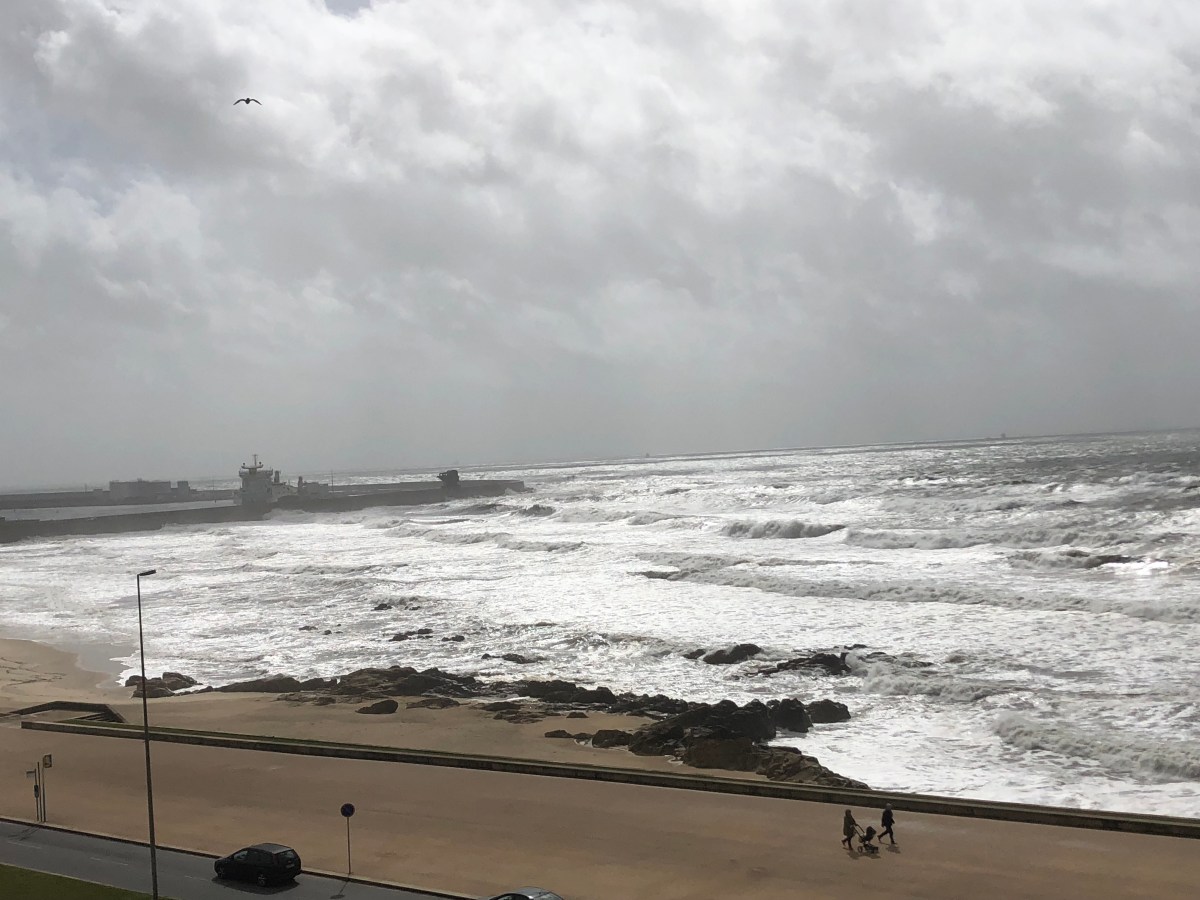
Photo: Leça da Palmeira, after the storm (March 2018)

The world forgetting by the world forgot

mon

Madrid November 2016 

References

Alexander Pope, Eloisa to Abelard

Revisiting

Não há nada que resista ao tempo. Como uma grande duna que se vai formando grão a grão, o esquecimento cobre tudo.

Ainda há dias pensava nisto a propósito de não sei que afecto.

Nisto de duas pessoas julgarem que se amam tresloucadamente, de não terem mutuamente no corpo e no pensamento senão a imagem do outro, e daí a meia dúzia de anos não se lembrarem sequer de que tal amor existiu, cruzarem-se numa rua sem qualquer estremecimento, como dois desconhecidos.

Essa certeza, hoje então, radicou-se ainda mais em mim.

Fui ver a casa onde passei um dos anos cruciais da minha vida de menino. E nem as portas, nem as janelas, nem o panorama em frente me disseram nada. Tinha cá dentro, é certo, uma nebulosa sentimental de tudo aquilo. Mas o concreto, o real, o número de degraus da escada, a cara da senhoria, a significação terrena de tudo aquilo, desaparecera.

Miguel Torga, “Diário (1940)”

Nothing can stand the test of time. Like a great dune, growing with each grain of sand, oblivion covers everything. I’ve been thinking about this for days, I do not know prompted by what type of feeling or affection.

Take the case of two people loving each other so madly that they did not have in their bodies and thoughts anything but the image of the other, and in a half-dozen years they will not even remember that such a love existed, when they walk past each other without any shudder, like two strangers.

This certainty, today, has become even more rooted in me.

I went to see the house where I spent one of the crucial years of my boyhood life. And neither the doors, nor the windows, nor the landscape in front spoke to me. I had in me, of course, a sentimental nebula of it all. But the concrete, the real, the number of steps on the stairs, the face of the landlady, the earthly meaning of all that had disappeared.

The translation is mine and it doesn’t do the original any justice. I saw part of this text written on a wall in Leiria two weeks ago, yesterday I felt what it meant. I walked through the streets of Viana do Castelo as a tourist. It didn’t feel like the city that was almost my second home at a time when I too seemed to be “madly in love”. No emotion, and the “sentimental nebula” was just the sad realization of that void. I walked to the theater to buy the ticket for the opera recital. The lady in front of me was asking a lot of questions, she was afraid she didn’t know her way around the building anymore. She had danced on that stage when she was young. Her memories felt comforting.

Photo: Teatro Sá de Miranda, Viana do Castelo

Let deeds match words

Between April 4 and 9 1994, we decided to make a Spanish road movie traveling from Porto to Cordoba via Cáceres, Trujillo and Mérida and getting lost in Alentejo on the way back. This was a dream road trip, just for the sake of driving and getting away. I still keep the photo diary of this trip and still remember P’s army green bomber jacket, everyone’s Timberland boots and my outrageous yellow pants printed with purple grapes that I had bought in Guiné Bissau two years before, and the silly photo shoots wearing a blue African hat my mother got in Senegal. I still have the pants I don’t know what happened to the hat.
cof


Armed with a yellow Let’s Go Budget Guide to Spain, we had nothing pre-booked and just chose where to stay by opening the book to whichever city we were in. This lack of strategy didn’t work in Mérida. All the recommended places were fully booked. Someone told us we should look for Pepita who rented rooms to tourists before this was an organized activity. We found her place after J walked all over shouting her name. I remember Pepita as a black haired larger than life fortune teller. She kept us awake for hours after dinner, the four of us sitting around a skirted table trying to be polite while at least one of us was feeling uncomfortably scared. Nothing happened, of course. Maybe some people rent rooms in their homes because they need some company.

cof


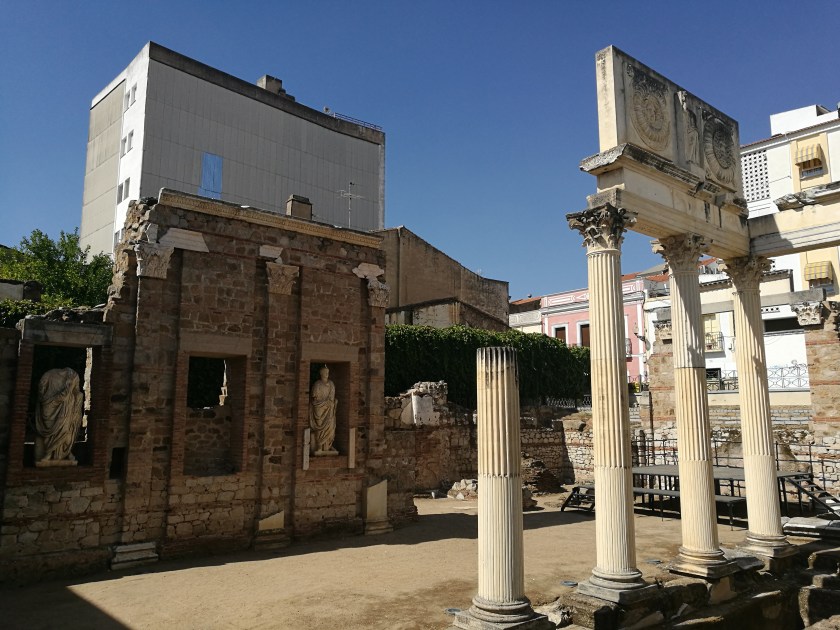
At the time I didn’t like the city. I still thought I would come back for the classical theater festival because you can not enter that Roman theater lightheartedly. Unless, like J, you start resenting your friends for forcing you to visit a “bunch of rocks”. This year I came back. After seeing a Facebook’s friend selfie waiting for Seneca. I returned to Mérida with someone who’s “against Romans”, whatever this might mean. I did not bother asking.

I went to the theater on my own. I’m a firm believer that everything grand or small you really wish to do, should be done in solitude. This might seem stupid but it has worked for me so far.
mon


I did not, as planned, manage to see a Tragedy. The importance of this was also explained during the Prologue to La comedia de las mentiras when Calidorus ( in this adaptation, the Slave) makes it clear that we are in fact going to see a Comedy and even though he would have very much preferred to have been a “tragic actress” this was not his role for the evening. Pepe Anton Gómez and Sergi Pompermeyer decided to do some kind of “mash-up” of Plautus‘ plays because even though Pseudolus was the first one on their minds, also Miles Gloriosus or Mercator, seemed suitable and the obvious solution was to take the way of the original author and base their own work on a series of previous works. Much in the same way Plautus inspired Shakespeare’s Comedy of Errors .

mon


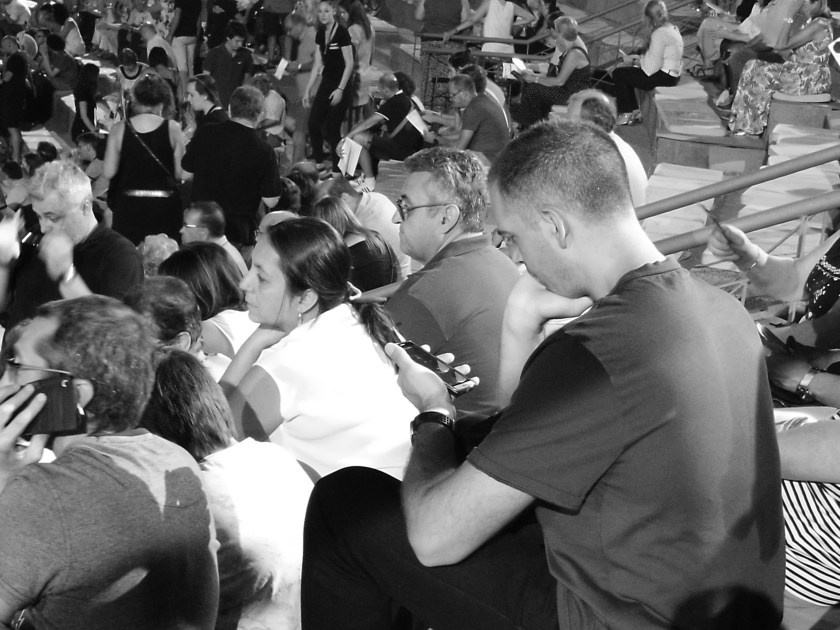
I arrived early so I could focus on being there. Observing people come in and find their seats, and greet their friends, and obliging couples who’d ask me to take their photo against the amazing backdrop of the theater. Situations like these always take me back to my English finals. The text was about photography reducing whatever was important in the world to your own existence. Now, these amazing places seem to be reduced to photo sets. The family of four seating next to me has their photo taken as well. It takes the mother a few minutes to analyze her own expression with care before sending the photo to a WhatsApp group named “Forever Young”. Yes, I know, I’m a horrible snoop. The actions of others, and their conversations have always been a source of never-ending fascination. The theater is filling up and there’s a beautiful massive choreography of abanicos trying to keep flawless made-up faces looking fresh.

IMG-20170829-WA0000

I spent the next two hours in absolute concentration for fear that my knowledge of Spanish might not be enough to follow a comedy. I somehow have the idea that tragic emotions would not be as language bound. I think I manage to pick up most of it. The Exode sings the virtues of lying so that life actually keeps moving in a quasi-Broadway musical act. I walk alone back to the hotel. I had not managed to keep the plan of seeing a Greek Tragedy in Mérida but in some way I still kept a promise made to myself. I’m almost certain I don’t do this as often as I should.
IMG_1232

The first time I went to Mérida I was still sort of madly in love with the owner of the green army bomber jacket and ironic smirk. These days, the love of theater tends to move me more than anything else. Also Extremadura has a way of connecting all the dots. It reminds me of childhood cartoons and of the freedom of life on the road and the possibility of accidentally getting lost. This time around, I truly enjoyed being in Mérida, I might not have traveled alone but still felt that this trip was only mine.

In case you’re interested

The Mérida International Classical Theatre Festival is the oldest of its kind in Spain and takes place every year between July and August

This time I used booking.com and stayed at Deluxe Hostel & Suites. The building was originally used as accommodation for railway workers in the 50s and is now equipped with a delightful salt water pool with massage beds. The best thing about it it’s the incredibly nice, helpful and truly amazing staff.

I was only in Mérida for three days and did not get to visit the Museo Nacional de Arte Romano or the El Costurero. I did visit the Conjunto Monumental, tickets are €15 and you can use them at your own pace to visit the Teatro y Anfiteatro romanos, the Alcazaba árabe, the Casa romana del Mitreo, the Cripta de la basílica de Santa Eulalia , the Área Arqueológica de Morería, the Circo romano and Área funeraria de Los Columbarios.

I only have two meals a day, breakfast and either lunch or dinner (plenty of snacks and coffee in between) so I have only been to three restaurants:

  • Pepe Ossorio (Plaza Constitución, 10) Nice upscale restaurant, Mediterranean/ fusion cuisine. Not my favourite kind of place but the food and the service was nice.
  • La Tapilla Sixtina (Calle Hernán Cortés, 39) Friendly tapas bar, huge portions, the food was quite good and the staff was great.

  • Sapori d’Italia (Calle del Museo, 21) Italian restaurant owned by an expat from Naples. Nice enough.
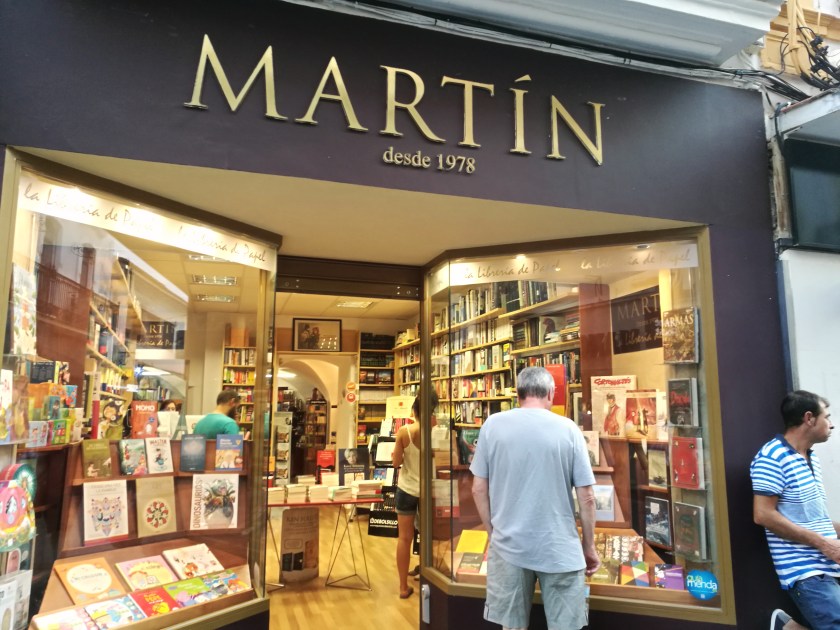
One day I’ll be able to travel and do no shopping. This wasn’t that kind of trip.

Martín. La Libreria de Papel (Calle Sta. Eulalia, 46) Very helpful staff and although I’m not a big fan, the selection of graphic novels seemed pretty impressive. I bought Mario Vargas Llosa’s Elogio de la educación and Marcus Aurelius’ Meditaciones. 

Arena 77 (Calle Sagasta, 23) I walked past when it was closed an there they were, the grafia sandals that looked just like the Stephan Kélian ones I used to have, probably around the end of the 90s), and which did not survive through the 00s. I came back to get them and was lucky to meet Carmen, an artist who works in restoration, has lived in La Habana and Sevilla where she owned a restaurant, in Lisbon where she was working in the México pavilion for Expo’98 and who now owns this store selling handmade pieces of beauty from Marrakesh and Colombia and Africa via Cádiz. Everything is made my women and everything is brought to Spain with no intermediaries. I bought a beaded bracelet made in Colombia, a bag lined in a beautiful wax print african fabric as a gift for my mother, and the Marrakesh raffia sandals just because they are like recovering a piece of the past.

Martina Boutiq (Calle José Ramon Mélida, 4) Stocks Antica Sartoria and was having a sale which served as the perfect excuse to buy an embelished white lace bomber jacket which is, obviously,  a “foundation” garment. The ladies working here are are just lovely.

Along Calle José Ramon Mélida there are several archeological reproductions and souvenir shops and I could not resist the most typical of the abanicos. What can I say, I’m truly kitsch at heart.


bty

No turn

boston
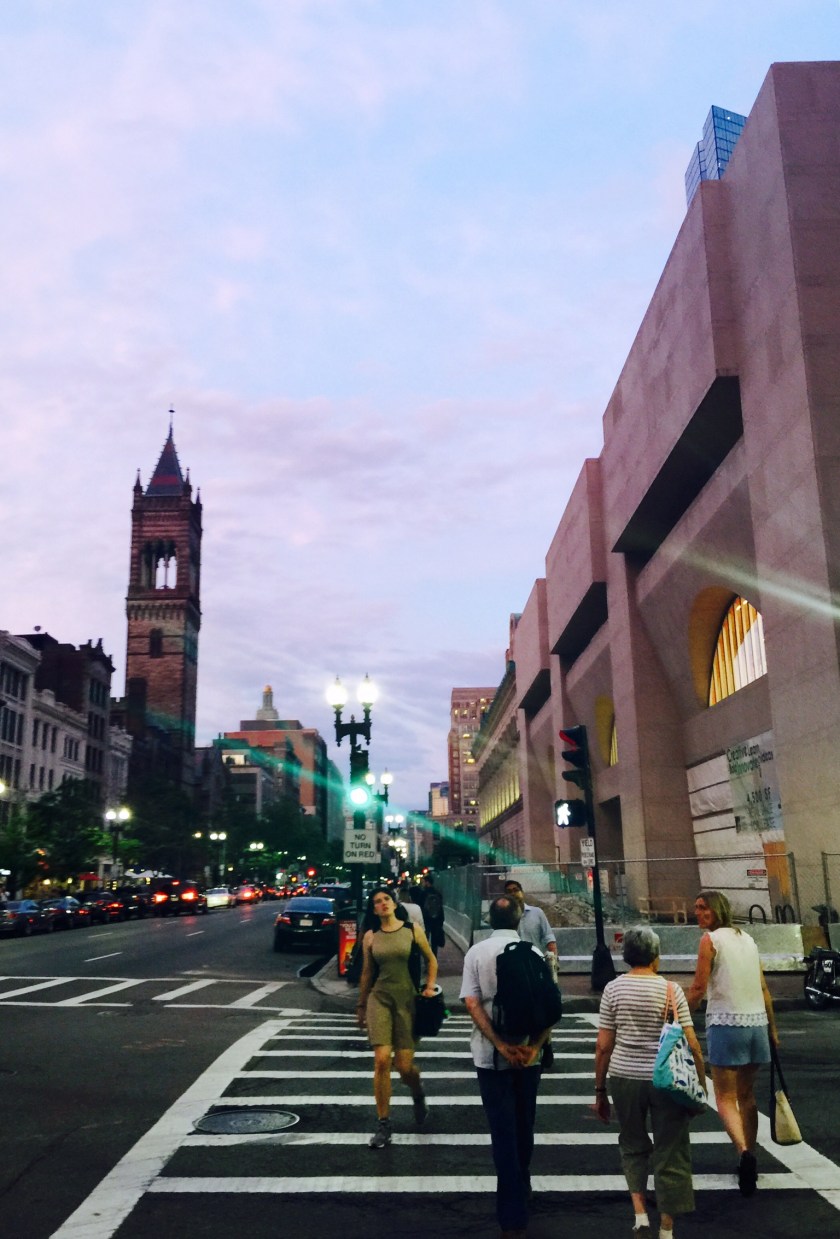
Boston, 2015

There is no other space, no other time. This moment is all. In this moment the whole existence converges, in this moment all is available.

Osho, Zen: The Path of Paradox

When he left

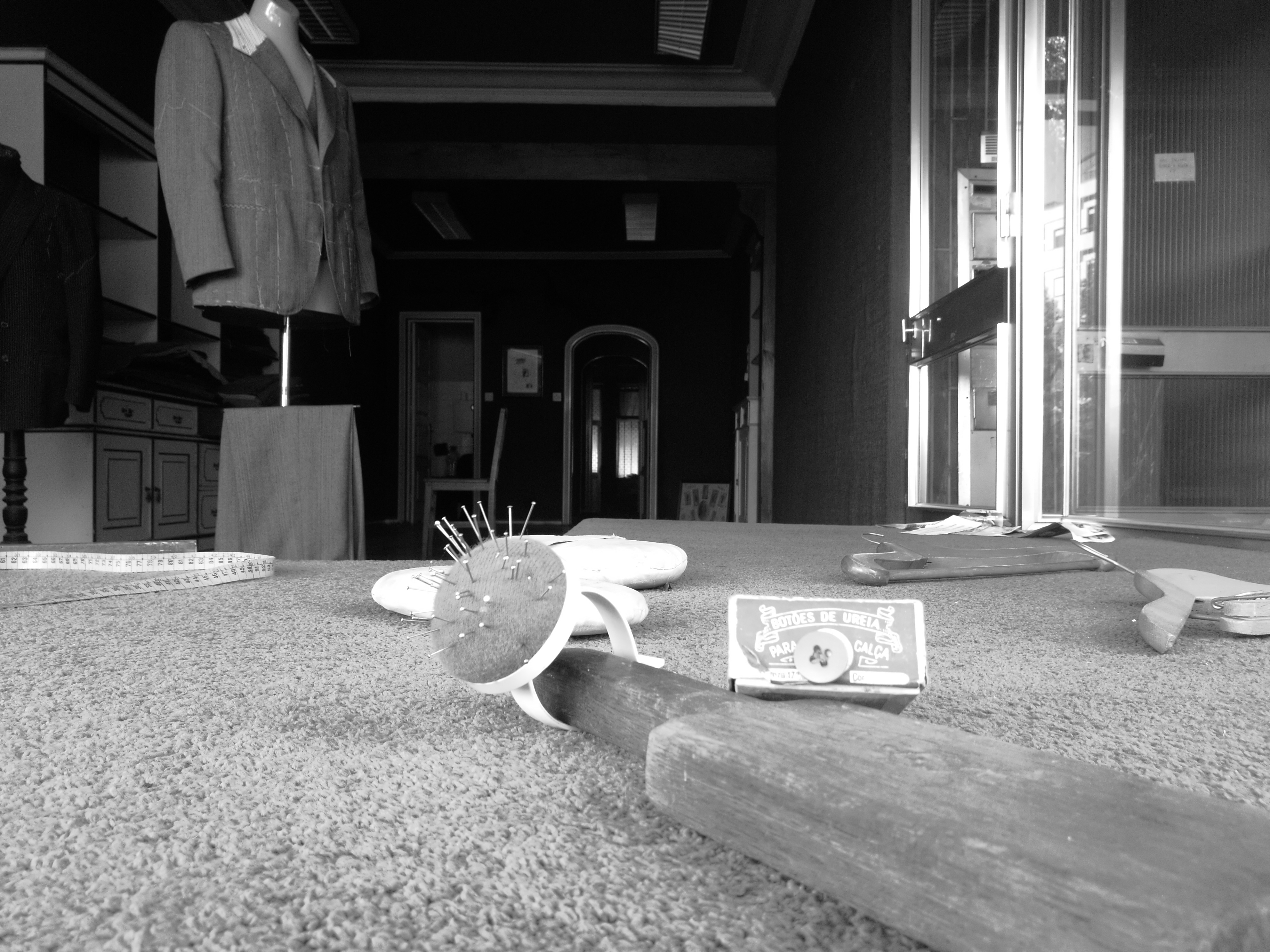
Mr. Alexandre used to work here, from 1962 until he died in 2016.

From the street, looking through the window, it doesn’t look like this place is abandoned. He might come back. Someone might come back for their bespoke suit.

If you read Portuguese, please head to Blog dos Alfaiates, Mr. Alexandre’s story is there along with other stories about other masters of elegance.

Photo: Alexandre Alfaiate, Praça Coronel Pacheco, Porto

The shape of life

bdr

A bridge of silver wings stretches from the dead ashes of an unforgiving nightmare
to the jeweled vision of a life started anew.

Aberjhani, The Bridge of Silver Wings (2007)


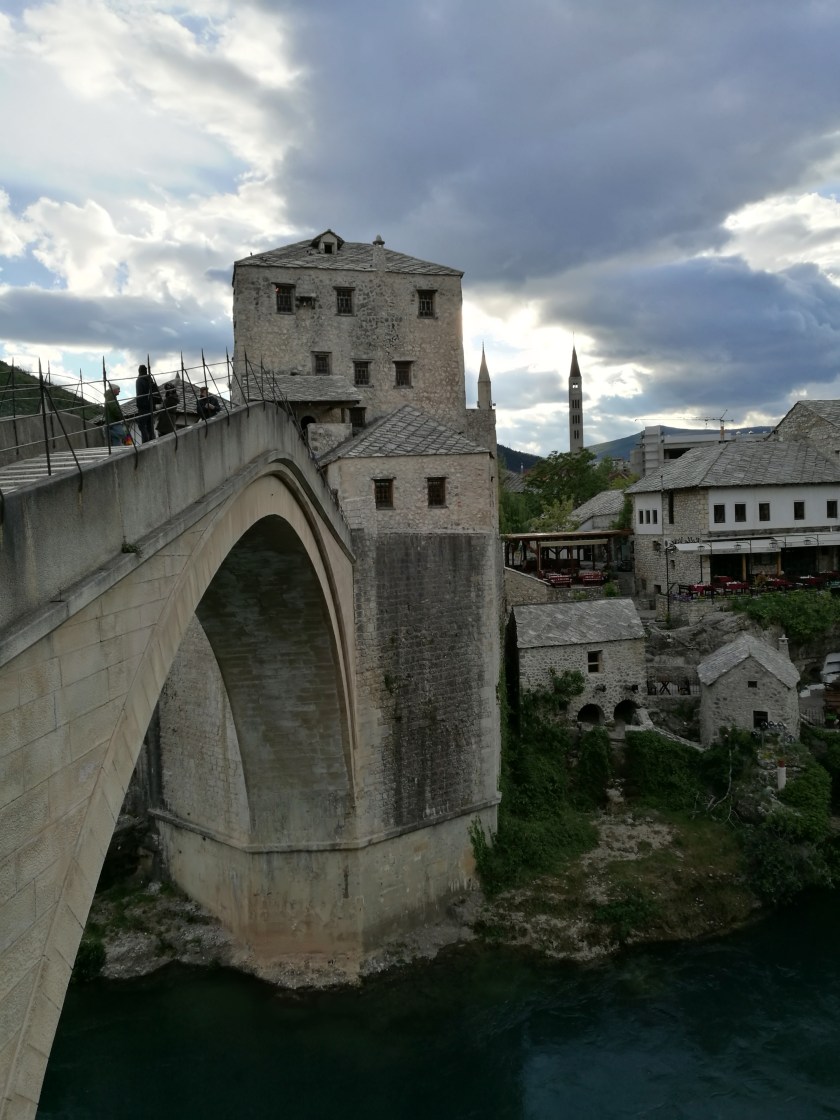
I could have chosen any of the ones in Porto, but Stari Most was the topic of conversation over coffee today. Some bridges keep you together. No matter what.

Mostar, April 2017

you will look back at us with astonishment

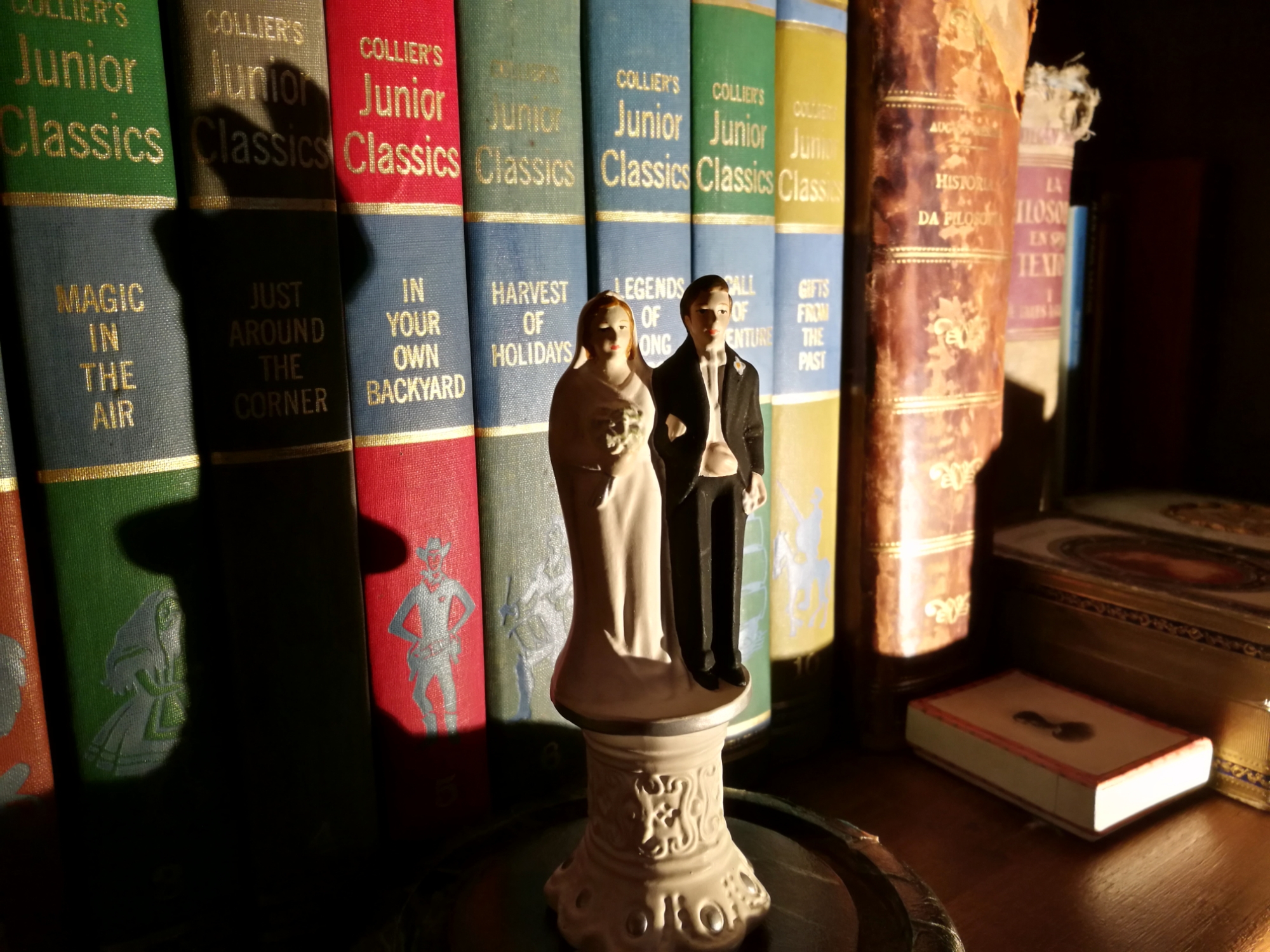
My grandparents got married in September 1948. This was their wedding cake figurine.

References

Olive Schreiner

Heritage

Inside history

Two weeks ago I ordered a few used books from AwesomeBooks and inside A History of Fashion by J. Anderson Black & Madge Garland I found four letters from 1992. This was not one of those amazing discoveries that sometimes happens in the wonderful world of second-hand books. They are letters written to Gemma by friends that seem to have met her during a summer course in France while sharing a dorm and, most probably, a few giggling nights in a chatêau. I remember this kind of experience when I was a teenager sharing a room with Monica from Cugat del Valles at Cathy and Howard’s house in Cheltenham. In our minds, our friendship was forever. We also wrote letters to each other planning visits and other adventures. They never happened and we never met each other again. I wonder if Gemma and her friends kept in touch.

The first letter to Gemma was written on December 26. Her friend, whose birthday was December 2, got clothes, chocolate, a “very nice new desk” and soft toys, for her collection, as Christmas gifts. Maybe Gemma got A History of Fashion as a seasonal token of affection. In another letter, another friend writes about her mother who is a teacher and even though she looks like one, she is actually not that boring. But she swears quite a lot at home. In public, she assumes a “pompous” persona. Her dad is a vicar described in short and rather unpleasant words. She really hopes Gemma won’t be “put off” by her family. The other two letters are about boys. There’s Tristan, the knight in shining armour, with whom the girl is so smitten that she even talked to her mother about him. She didn’t tell her mum everything… There’s also Bob, fancied by another one of Gemma’s friends. Bob doesn’t seem very interested in going out with her. Maybe they could have one of those “open relationships, as they say”.

After the first excitement of finding these letters ( I do love all kinds of surprises and most especially if they are of the written kind), it took me a week to decide whether I should read them or not. I suppose the answer to this would always have to be no. These are, after all, personal stories traveling between Lincolnshire and Essex and I still read them. And even decided to share what I’ve read.

I remember C. telling me that he wished he would have the time to get rid of all his notes and letters before he died so no one would get to invade what was only his. We had this conversation again a few weeks ago. He has now given up on that sort of absolute control. Maybe it doesn’t make much sense to fight for privacy anymore. It does, however still bother me that I did not resist the temptation to invade someone’s else’s life.

There’s a full name and address (I didn’t Google them) on the envelopes; maybe you could just return them, J. suggests. What’s the chance that Gemma is still living in the same place? What’s the chance that twenty-five years later she is actually interested in getting some loose pieces of her life back? Would you want your adolescence to come back to you?

Mozambique 97

In August 1997 I travelled from Brazil, where I was on vacation with my parents, to Maputo where I stayed for a while with an uncle who was working there at the time. These are pages from my travel diary.

After six days in Porto Alegre, a city I was quite familiar with during my teens and early twenties, I flew to São Paulo to get on the flight to Beijing which had its first stop in Johannesburg.

At Guarulhos I waited,  trying to read Raygun magazine’s special issue on Cinema and Music.

I think my mistake was that I thought you could live the things that you acted. But I realized that that wasn’t the case. Then I realized that I would be better suited to try to do that but without an audience. To pretend I was in the movies all the time, basically. And to try to create a narrative flow out of actions, and sequences and events.

Will Oldham in that Raygun Magazine

My mum made me promise I wouldn’t get out of the airport in Johannesburg during the six-hour-long layover. I did. I took a taxi and Philly drove me downtown to Museum Africa and drove past Ponte Tower and took me to Ellis Park and the flea market in Gateway and told me I should walk around Carlton Center and I remembered that my mum used to talk about this place. There were people playing chess on a gigantic board. I was born in Johannesburg. How could I not go out?

I arrived in Maputo at night. My uncle, my aunt and my cousin picked me up and drove me home, a big apartment in Avenida Albert Lutuli, overlooking the Aga Khan foundation from the living room and the car park on the Polaroid from my bedroom.

I went to Mozambique to do research on forced labour migration. Most of my first weeks were spent at the library of the Provincial Culture Centre in Rua do Bagamoyo, former Rua do Araújo in the also former “red light district” of the former Lourenço Marques.

The long balcony of the former brothel was where I spent my smoking breaks. Across the street there was a Pensão (I suppose a hostel by now) and the life of the Dutch couple staying there became also some sort of voyeuristic break. Under the balcony, every day, the same lady selling matchboxes danced to her own rhythmic section when she got bored.

This how research turned mostly into contemplation of life by the Indian Ocean.

Every morning I would pretend to be a morning person and go downtown at 6.30, have coffee at the Scala or the Continental and wait for the library to open while marvelling at the long line of men and women getting their shoes polished. We are proud of our shoes, Professor C. tells me. Most of us only have one pair, most probably handed down, we have to keep them looking new.

Before my aunt and my cousin go back to Portugal we go to Nelspruit to do some supermarket shopping. It felt like the old ritual of crossing the border to go to Tui or Vigo in Galicia for the same purpose before there were “free markets” and you could buy the same sort of things on the Portuguese side at the border. We get to Ressano Garcia and there are long lines of people and cars to cross to Komatipoort. I walk around amazed at the chaos of this mythical place that I knew only from books. It’s dirty and crowded. On the other side, I don’t have to wait, my passport is South African and everyone thinks I am American because of my accent. Nelspruit looks like a giant supermarket where people buy giant tins of butter. I had never seen a tin of butter before. We spend the night at a lodge near the Kruger Park and go visit the next day. There’s no diary entry for this. There are hundreds of photos and boxes of photographic slides (!) I still can’t find the words to tell anyone what it felt like.
My aunt and cousin return to Portugal in time for the start of the school year. I stay on with my uncle and Olga who worked as a cleaner and cook at the flat and was now a single mother of two after her husband left. We had fun together. There was a fabric warehouse just around the corner from our flat and we often went to buy capulanas and play dress up. With my uncle, there were a lot of arguments about how to “behave in Africa” and how to deal with “things you know nothing about”.

Outside, there was still a whole world to be explored and a lot of bureaucracy to deal with when trying to get authorization to see archives. The upstairs neighbour who owned the liquor store in Avenida Josina Machel tells on me because she saw me walking home. It’s not appropriate. Apparently.

I spend two days reading labour legislation at the Ministry. The intern there just got a scholarship to go to Holland to study for a Masters degree. He’s happy is not heading to Portugal to do that. I then move to the National Film Institute. I had an amazing two weeks in this place just watching movies and making friends.

Everywhere, I am surrounded by words and images and words and images that always have some sort of political meaning. And writers, and artists and liberation activists and foreign journalists that have stayed on after the colonial war was over. And Italians that have become African and don’t even speak Italian anymore. And generous souls that have shared pieces of their lives and changed mine.

Re-living these pages I am, sometimes, amazed at what I have written. From quotes of Ruth First and Margot Dias to somewhat futile accounts of every little detail of every walk around the city, every coffee, every encounter.

I didn’t want to risk missing a thing. I didn’t want to risk losing the memory of the place and of the people.

Re-living these pages, I am really sorry that I haven’t kept the habit of writing travel diaries. Re-reading some of these pages, I realise they are actually a script for the adventure movie of that African winter.