

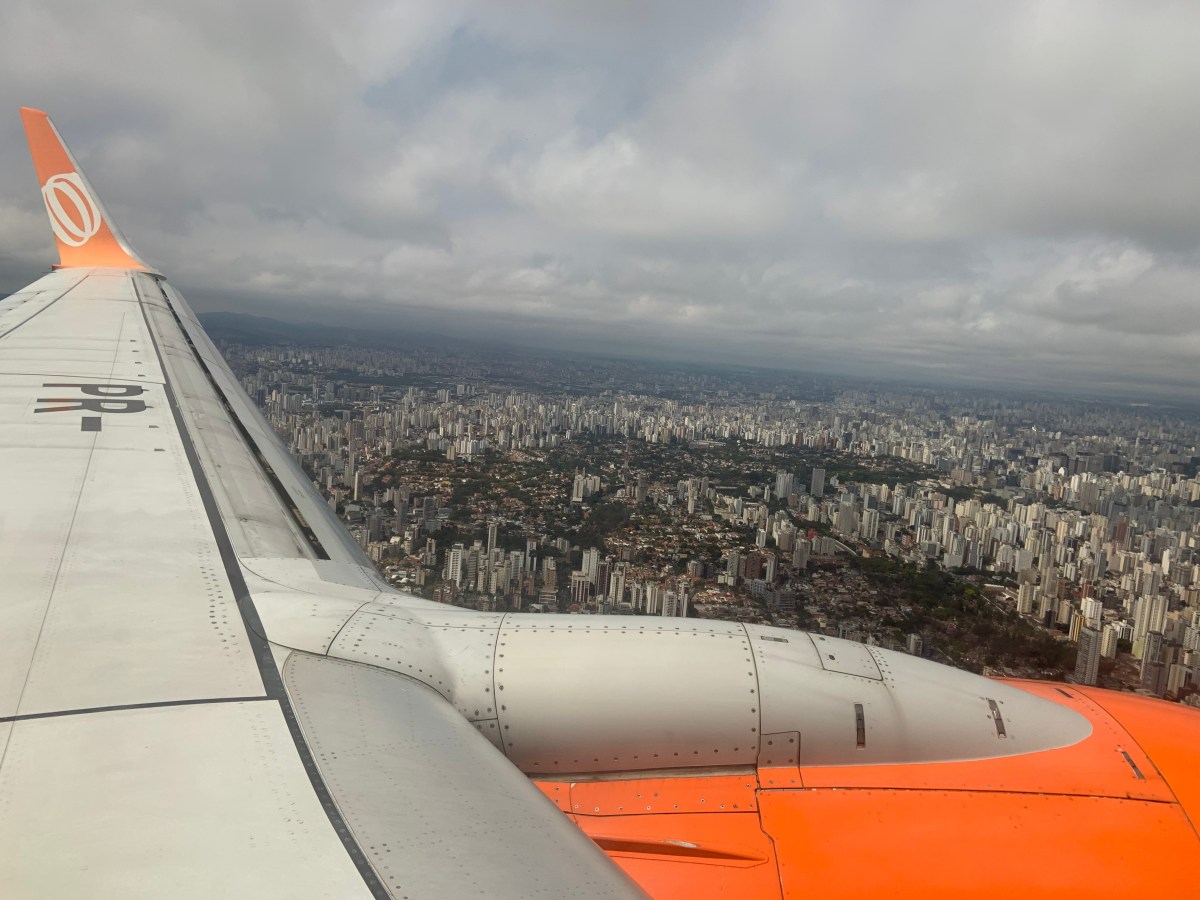
“Where do they go, the airplanes we never take?”
Category: travelling but not moving
Norman Rockwell

Picture this: It’s 1990, and the Scorpions are belting out “Winds of Change” to massive crowds across a transforming Europe. Just a year earlier, people around the world had woken up to the impossible news that the Berlin Wall was actually falling—that the concrete symbol of Cold War division was being torn apart by ordinary people with hammers and hope.
For those who were 19 in 1990, watching this unfold, the song became more than just a power ballad. It was an anthem of hope that seemed, for a while at least, to materialize into genuine possibilities. The world felt suddenly malleable in a way it hadn’t for decades. Meanwhile, in academic circles, scholars were beginning to re-examine how fear has shaped our world, while Norman Rockwell’s 1943 painting “Freedom from Fear” continued to hang in museums and some collective memories as a reminder of what we’re all supposedly working toward.
What connects these seemingly disparate cultural moments? They all grapple with the same fundamental question: How does fear drive human transformation?
In the future days, which we seek to make secure, we look forward to a world founded upon four essential human freedoms.
Franklin D. Roosevelt Annual Message to Congress, January 6, 1941; Records of the United States Senate; SEN 77A-H1; Record Group 46; National Archives.
The first is freedom of speech and expression–everywhere in the world.
The second is freedom of every person to worship God in his own way–everywhere in the world.
The third is freedom from want–which, translated into world terms, means economic understandings which will secure to every nation a healthy peacetime life for its inhabitants-everywhere in the world.
The fourth is freedom from fear–which, translated into world terms, means a world-wide reduction of armaments to such a point and in such a thorough fashion that no nation will be in a position to commit an act of physical aggression against any neighbor–anywhere in the world
I have started reading Robert Peckham’s “Fear: An Alternative History of the World”which reads like a detective story where the criminal and the hero are the same person. Starting with the Black Death in the 14th century, Peckham traces fear’s dual role throughout history—sometimes as a tool of oppression, sometimes as a catalyst for progress.
His central insight is provocative: fear has served “both a coercive tool of power and as a catalyst for social change.” Think about it. The same emotion that allows dictators to control populations also drives revolutionary movements. The fear of injustice motivates protests. The fear of environmental collapse spurs climate action. The fear of authoritarianism strengthens democratic institutions.
Peckham’s “shadow history” approach reveals how our most transformative moments—from the Renaissance to the Civil Rights Movement—often emerged from confronting our deepest collective anxieties rather than avoiding them.
Now flip to Norman Rockwell’s “Freedom from Fear.” Painted during World War II, it shows parents tucking their kids into bed while war headlines lurk in the background. It’s pure Americana—the suburban dream of safety, stability, and sleeping soundly despite the chaos outside.
But here’s what makes it powerful: Rockwell wasn’t just painting propaganda. He was painting aspiration. The image says, “This is what we’re fighting for—not just victory, but the right to live without constant anxiety.”
The painting represents the endpoint that Peckham’s historical analysis points toward: societies stable enough that families can exist in protective bubbles of normalcy, even when the world burns around them.
Which brings us to the Scorpions’ “Winds of Change.” Released in 1990, the song became an unofficial anthem for the end of the Cold War—but more than that, it captured something profound about generational hope. For those who were teenagers and young adults watching the impossible become possible, the song wasn’t just about political change. It was about the sudden realization that the world was far more malleable than anyone had imagined.
Whatever one might think about the song’s musical merits, it became a soundtrack for hope that, for a while, seemed to materialize into real possibilities. The fear that had held Europe in a stranglehold for decades—fear of nuclear war, of permanent division, of unchangeable systems—suddenly transformed into collective action and unprecedented change.
The song works because it embodies Peckham’s thesis in three-and-a-half minutes of soaring guitar solos. The fear that had held Europe in a stranglehold for decades became the very force that motivated people to tear down walls and demand change. The “winds” weren’t just meteorological—they were the accumulated anxieties of generations finally finding release.
Like Rockwell’s painting, the song also represents an aspirational moment—the belief that we could move from a world defined by fear to one defined by possibility.
We’re living through our own “Winds of Change” moment. Collective anxieties about technology, climate change, political polarization, and social inequality are reaching tipping points around the world. The question isn’t whether these fears are justified—Peckham’s analysis suggests that’s the wrong question entirely.
The real question is: Will we let fear paralyze us, or will we harness it as a force for positive transformation?
Peckham’s historical analysis gives us the intellectual framework to understand fear’s complexity. We need to recognize when fear is being weaponized against us and when it’s signaling genuine problems that require action.
Rockwell’s vision reminds us what we’re aiming for: societies where people can sleep peacefully, secure in their freedom from existential anxiety.
And the Scorpions? Well, they remind us that transformation is possible—that the walls we think are permanent can come tumbling down when enough people decide they’ve had enough of living in fear. For those who lived through 1989-1990, watching seemingly impossible changes unfold in real time, the song captured not just a political moment but a feeling of generational possibility that the world could actually be different.
That sense of hope materializing into reality—however briefly—offers a template for how accumulated fears can reach tipping points and transform into collective action.
I lose it all the time

The track of time
I lose track of time—not just the hours in a day, but the architecture of time itself. Days blur into weeks, weeks into months, and suddenly I’m looking back at years that feel like they happened to someone else, in some other lifetime I can barely access. It’s not simply forgetting; it’s a deeper disorientation, an inability to place the events of my life on any coherent timeline.
This temporal blindness has been building gradually, like fog rolling in so slowly you don’t notice until the familiar landmarks of memory have disappeared. Most of my days feel interchangeable now, lacking the distinct markers that once helped me navigate the story of my own life. Without these anchors, time becomes elastic and strange—months can feel like weeks, years like months, and recent events feel ancient while distant memories seem immediate.
But some moments still cut through the haze with startling clarity. Travel creates these temporal anchors naturally—the sensory richness of new places, disrupted routines, the way my brain has to pay attention when everything is unfamiliar. So do moments of intense freedom and comfort, those rare times when I feel most myself, when social expectations fall away and I’m doing exactly what I want without compromise. And certain people, too, become markers in time—those who draw out different parts of me or create space for conversations that feel like they matter.
What strikes me about these clear moments is their common thread: they’re all times when I feel fully alive and present, when I’m engaged rather than going through motions. They represent pockets of authentic experience in an otherwise routine existence. The tragedy isn’t that I can’t remember what happened—it’s that so much of what happens doesn’t feel worth remembering.
Perhaps the gradual erosion of temporal landmarks isn’t just about aging or the sameness imposed by modern life. Maybe it’s about how rarely we allow ourselves to be fully present, how infrequently we create conditions for the kind of aliveness that makes moments stick. Time may not actually be speeding up—we might just be sleepwalking through most of it, leaving behind a wake of forgettable days that our minds, quite reasonably, choose not to preserve.
The solution isn’t necessarily to manufacture constant novelty or drama. But recognizing what makes certain moments memorable—travel, freedom, meaningful connection—might offer clues about what our minds need to start forming temporal anchors again. Even small acts of presence and intention might help distinguish one day from another. They create the kind of memories that come with their time signatures intact.
It is important that awake people be awake

If you don’t know the kind of person I am
and I don’t know the kind of person you are
a pattern that others made may prevail in the world
and following the wrong god home we may miss our star.
For there is many a small betrayal in the mind,
a shrug that lets the fragile sequence break
sending with shouts the horrible errors of childhood
storming out to play through the broken dyke.
And as elephants parade holding each elephant’s tail,
but if one wanders the circus won’t find the park,
I call it cruel and maybe the root of all cruelty
to know what occurs but not recognize the fact.
And so I appeal to a voice, to something shadowy,
a remote important region in all who talk:
though we could fool each other, we should consider—
lest the parade of our mutual life get lost in the dark.
For it is important that awake people be awake,
or a breaking line may discourage them back to sleep;
the signals we give—yes or no, or maybe—
should be clear: the darkness around us is deep.
A Ritual To Read To Each Other by William Stafford
I have also learned to appreciate The Doors , Joy Division, David Sylvian, The Cocteau Twins and Nick Cave. Extreme music eclecticism germinated.
I’d woken up early,
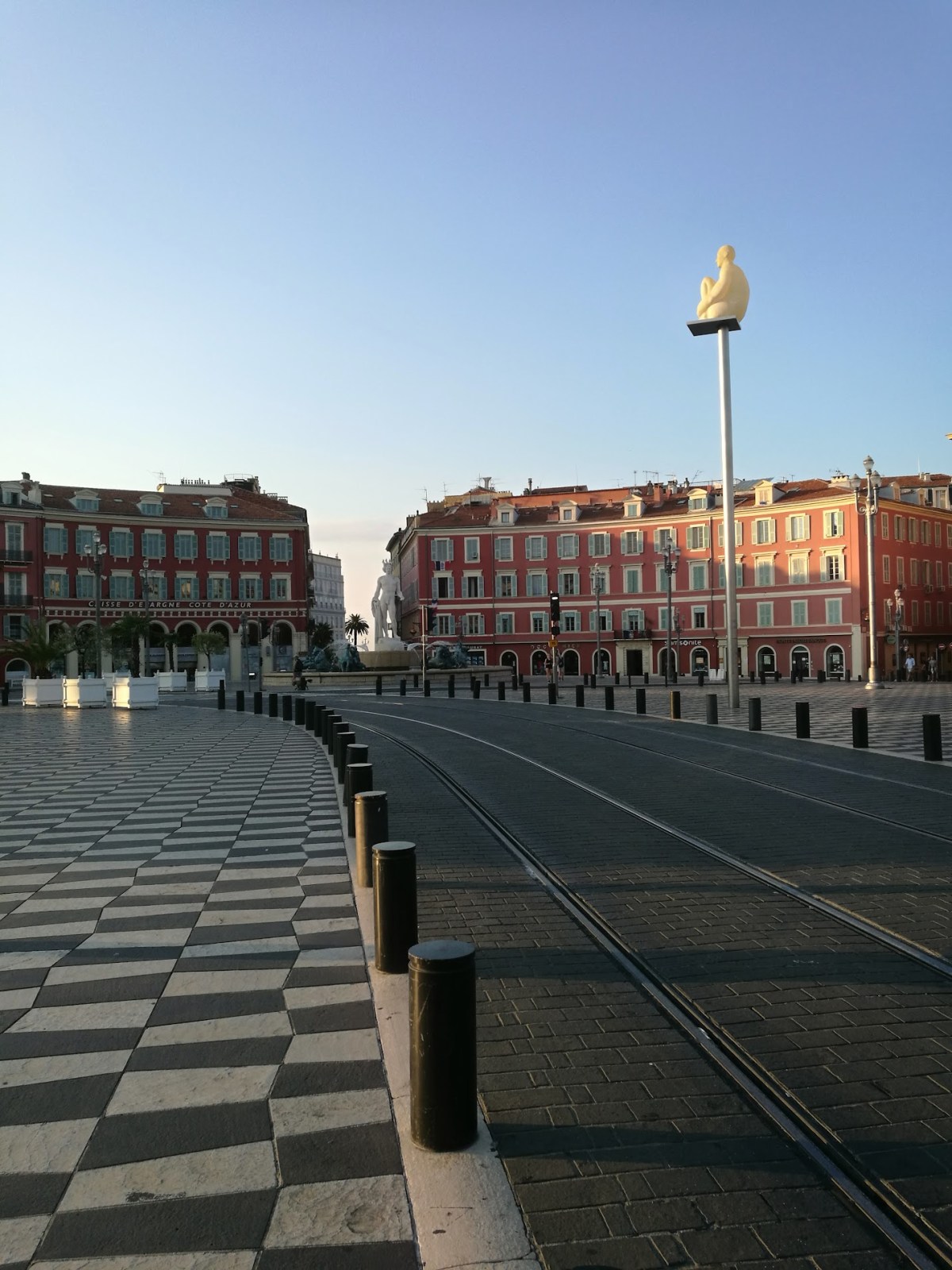
and I took a long time getting ready to exist
I have tried but, I am not a morning person. I tend to be a person who lingers. I tend to wake up three hours before I am due to arrive at work. This is somewhat ridiculous. I live 15 km away. I once told my therapist this because I thought it was a sign of my inability to focus. He called me a social dilettante. I think it was meant as an insult. I didn’t take it as one. In my mind, I’m just resisting the urge to be a productive worker/consumer/tax-payer.
I wasn’t meant for reality, but life came and found me
Of course I manage to work and be some sort of productive member of society, I manage to take care of myself, pay the bills and everything else I am supposed to be doing. Next time around, I might be part of some 5 am club, I might be the bright eyed morning person who reads, meditates and writes and still has time to exercise before heading out the door. For now, I manage to read the news and loose track of time. Every single morning.
And there are many whose dullness and sameness of life is not what they wanted for their life, nor the result of not having wanted any life, but just a dulling of their own self-awareness, a spontaneous irony of the intellect.
I sometimes think that the decision of living with two dogs was a sort of an unconscious attempt to ground myself and feel responsible towards other living beings. It has worked for the past 5 years.
I’ve never had a knack for the active life. I’ve always taken wrong
steps that no one else takes; I’ve always had to make an effort to do
what comes naturally to other people. I’ve always wanted to achieve
what others have achieved almost without wanting it. Between me
and life there were always sheets of frosted glass that I couldn’t tell
were there by sight or by touch; I didn’t live that life or that
dimension. I was the daydream of what I wanted to be, and my
dreaming began in my will: my goals were always the first fiction of
what I never was.
References:
Bernardo Soares (Fernando Pessoa), The Book of Disquiet
Traveler, there is no road

I used to love traveling no matter how. I now hate airports and the tiring processes entailed in flying somewhere .
I used to like road trips or, at least, the idea of road trips.
I think I still like trains.
I still have the fantasy of traveling on a cargo ship .
Reference
Caminante, no hay camino / Traveler, There Is No Road
by Antonio Machado
“Caminante, son tus huellas
el camino y nada más;
Caminante, no hay camino,
se hace camino al andar.
Al andar se hace el camino,
y al volver la vista atrás
se ve la senda que nunca
se ha de volver a pisar.
Caminante, no hay camino
sino estelas en la mar.”
Traveler, your footprints
are the only road, nothing else.
Traveler, there is no road;
you make your own path as you walk.
As you walk, you make your own road,
and when you look back
you see the path
you will never travel again.
Traveler, there is no road;
only a ship’s wake on the sea.
translated by Mary G. Berg and Dennis Maloney
A window leaning into life

There’s something comforting about the idea that certain events or connections are “meant to be” – that there’s some larger pattern or purpose to our lives. Many people find meaning in interpreting significant events as part of a larger plan.
On the other hand, I’m drawn to the perspective that we have genuine agency in shaping our lives, and that the future isn’t predetermined. There’s something powerful about the idea that our choices and actions genuinely matter in determining what happens.
Some philosophical traditions try to reconcile these views – suggesting that perhaps certain broad patterns might be destined while specific details remain under our control, or that destiny might operate at a higher level while still allowing for free choice within certain parameters.
I would say I don’t believe in fate but, I’m Portuguese….
Fado, as a music genre, is deeply tied to the Portuguese concept of saudade—a mix of longing, nostalgia, and fate. The very word “Fado” comes from the Latin fatum, meaning “fate” or “destiny,” reflecting the idea that life’s joys and sorrows are inescapable.
Even if you don’t fully believe in fate, Fado embodies a cultural perspective where destiny plays a role in shaping human experiences—especially in love, loss, and hardship. The music suggests that some emotions and events are inevitable, but at the same time, Fado is an expression of personal agency, as singers pour their souls into shaping the narrative.
Portuguese culture carries a certain introspective melancholy—not just in Fado but also in literature, poetry, and even the way history is remembered. There’s a balance between accepting sorrow as part of life and finding beauty in it.
Saudade and Fado are deeply intertwined with Portuguese history, emerging from and reflecting the nation’s unique historical experiences.
Portugal’s identity was profoundly shaped by the Age of Discoveries (15th-16th centuries), when this small nation became a global maritime empire. This period created a culture of separation and longing – sailors and explorers left home for years or forever, families were torn apart, and communities lived with constant absence. Saudade developed as an emotional response to this collective experience of separation.
The economic structure of this maritime empire meant Portugal was often looking outward rather than developing internally. When ships didn’t return or imperial ventures failed, this created a cultural pattern of anticipation followed by disappointment – another dimension of saudade.
After this golden age came Portugal’s long decline – the loss of independence to Spain (1580-1640), the devastating Lisbon earthquake of 1755, the Napoleonic invasions, the loss of Brazil, and the political turmoil of the 19th and early 20th centuries. This historical arc from glory to struggle embedded a sense of lost grandeur in Portuguese cultural consciousness.
Fado emerged in the early 19th century primarily in working-class urban neighborhoods of Lisbon, coinciding with a period of national difficulty. It became a musical expression of this complex historical experience – not just personal longing but a collective cultural memory of past greatness contrasted with present difficulties.
During the Salazar dictatorship (1933-1974), this backward-looking tendency was sometimes exploited – the regime used a sanitized version of Fado and the concept of saudade in its propaganda. Yet authentic Fado remained a vital way for common people to express their emotional relationship with fate and history.
Eduardo Lourenço described Portugal as suffering from “hyperidentity” – an excessive preoccupation with national identity and destiny based on a mythologized past. Saudade and Fado became cultural spaces where this complex relationship with history could be emotionally processed rather than just intellectually analyzed.
This historical context helps explain why Fado approaches fate emotionally rather than philosophically – it emerged as a way for people to express and make sense of their lived historical experience rather than to theorize about it.
A lot of musical landscapes could exemplify this, I chose my favorite. No Teu Poema / In your Poem. A magnificent poem written by José Luís Tinoco , first sang by Carlos do Carmo in 1976, and here in my absolute favorite version by Amor Electro. Not Fado as such but the melancholy is still there.
This is a beautiful example of how the Portuguese poetic tradition captures both resignation and resistance. The lyrics acknowledge pain, struggle, and fate (a sina de quem nasce fraco ou forte), but they also hold space for courage (o passo da coragem em casa escura), hope (a esperança acesa atrás do muro), and an open future (um verso em branco à espera do futuro). A blank verse without measure exists. It suggests that within fate’s poem, there are still unwritten spaces. These are moments of possibility within destiny’s framework.
Perhaps most powerful is “A dor que sei de cor, mas não recito” (The pain I know by heart, but do not recite). This suggests that fate’s pain is so deeply internalized that it need not be explained or philosophized about—it simply exists as emotional knowledge.
For me, this song beautifully captures how Fado approaches fate—not by explaining why things happen, but by emotionally inhabiting the experience of living within destiny’s constraints while finding both beauty and dignity in that condition.
It’s like life is shaped by forces beyond our control—fate, history, circumstance—but within that, there’s still the individual’s voice, the choice to fight, to persist, or to find meaning. Do you feel like this duality is part of your own outlook on life?
No teu poema
Existe um verso em branco e sem medida
Um corpo que respira, um céu aberto
Janela debruçada para a vida
No teu poema
Existe a dor calada lá no fundo
O passo da coragem em casa escura
E aberta, uma varanda para o mundo
Existe a noite
O riso e a voz refeita à luz do dia
A festa da senhora da agonia
E o cansaço do corpo que adormece em cama fria
No teu poema
Existe o grito e o eco da metralha
A dor que sei de cor mas não recito
E os sonos inquietos de quem falha
No teu poema
Existe um cantochão alentejano
A rua e o pregão de uma varina
E um barco assoprado à todo o pano
Existe a noite
O canto em vozes juntas, vozes certas
Canção de uma só letra e um só destino a embarcar
O cais da nova nau das descobertas
Existe um rio
A sina de quem nasce fraco, ou forte
O risco, a raiva a luta de quem cai ou que resiste
Que vence ou adormece antes da morte
No teu poema
Existe a esperança acesa atrás do muro
Existe tudo mais que ainda me escapa
E um verso em branco à espera
Do futuro
In your poem
There is a blank verse, boundless and free
A body that breathes, an open sky
A window leaning into life
In your poem
There is silent pain deep within
The step of courage in a darkened home
And open, a balcony to the world
There is the night
Laughter and a voice remade by daylight
The feast of Our Lady of Agony
And the weariness of a body
That falls asleep in a cold bed
In your poem
There is the cry and the echo of gunfire
The pain I know by heart but never recite
And the restless sleep of those who fail
In your poem
There is an Alentejan chant
The street and the call of a fishmonger
And a ship blown forward at full sail
There is the night
The song in voices joined, voices sure
A tune with just one word, one shared fate
Embarking from the dock
Of a new ship of discoveries
There is a river
The destiny of those born weak, or strong
The risk, the rage, the struggle
Of those who fall or those who resist
Who triumph or fall asleep before death
In your poem
There is hope burning beyond the wall
There is everything else I cannot yet grasp
And a blank verse waiting
For the future
To be continued ….
References
Photo: Artur Pastor – Heavenly Light
The Power and Limits of Cultural Myths in Portugal’s Search for a Post-Imperial Role
“The Zenith of our National History!”
Fado History at Museu do Fado
The unlived life of N S
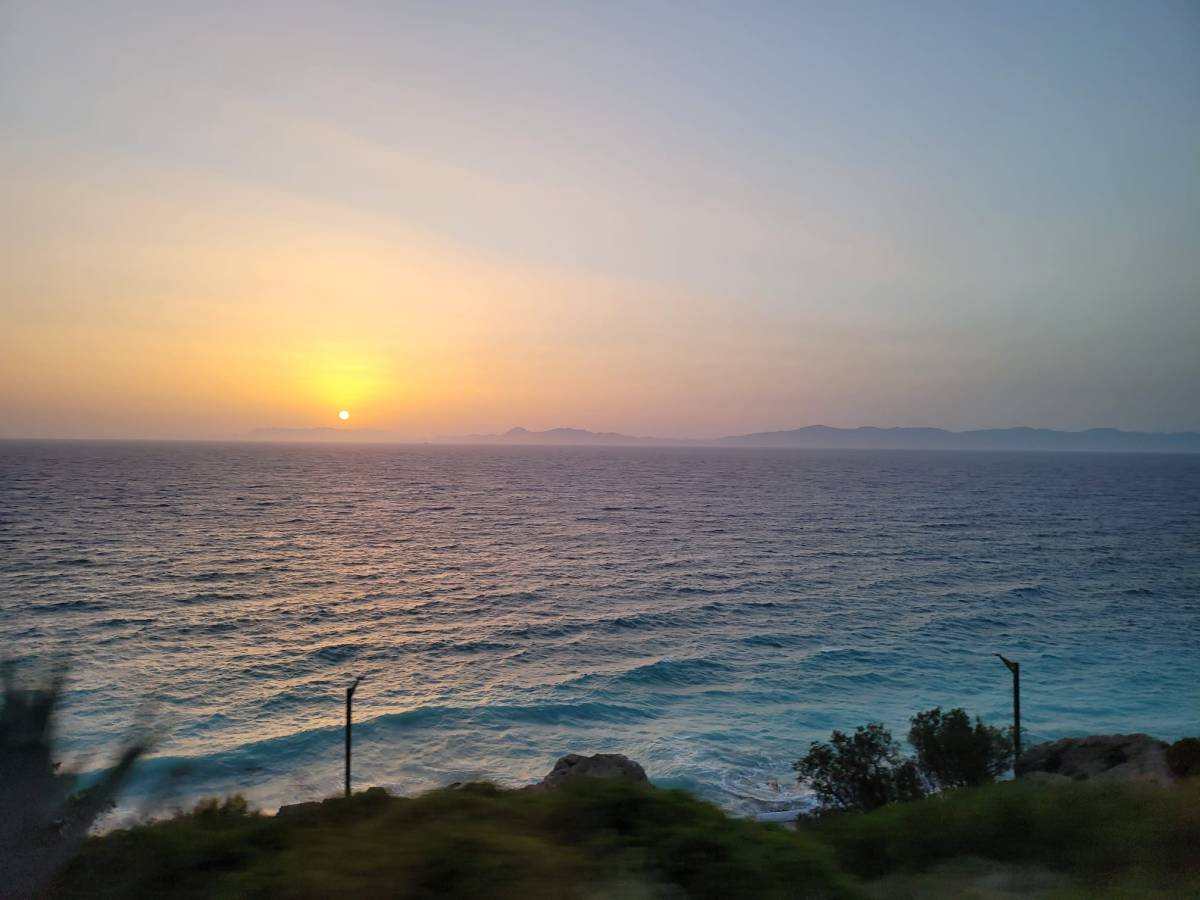
The unexamined life is surely worth living, but is the unlived life worth examining?
I think Stanley Kubrick actually captured something similar when he said “The truth of a thing is in the feel of it, not the think of it.”
While Socrates emphasized reflection as crucial to a meaningful life, there needs to be something substantive to reflect upon. Pure contemplation without lived experience could become a kind of hollow philosophical exercise.
There’s a point where self-reflection can spiral into a kind of paralytic introspection or self-commiseration.
When examination turns into rumination, we find ourselves in an echo chamber of our own thoughts. This detaches us from the vitality of direct experience. Excessive self-examination can also drain experiences of their natural meaning and immediacy.
Yet, I wonder if the issue isn’t with examination itself, but with its nature and purpose. There’s a difference between examination that enriches our engagement with life – helping us understand our patterns, make better choices, appreciate moments more fully – and examination that becomes a form of self-absorbed withdrawal from life.
A little more sun – I’d have been embers,
A little more blue – I’d have been beyond.
To reach it, I lacked the stroke of wings…
If only I had stayed beneath…

Wonder or peace? In vain… All faded
In a vast, deceitful sea of foam;
And the grand dream awakened in mist,
The grand dream – oh pain! – almost lived…

Almost love, almost triumph and flame,
Almost the beginning and end – almost expansion…
But in my soul, everything spills out…
And yet nothing was mere illusion!

Everything had a start… and all went astray…
– Oh, the pain of being – almost, endless pain…
I failed others, failed myself,
A wing that entwined but didn’t fly…

Moments of soul that I squandered…
Temples where I never raised an altar…
Rivers I lost without leading to the sea…
Yearnings that passed but I never held…

If I wander, I find only traces…
Gothic arches toward the sun – I see them closed;
And hands of heroes, without faith, cowardly,
Set bars over the precipices…

In a diffuse impulse of despair,
I began everything and possessed nothing…
Today, of me, only disillusion remains,
Of the things I kissed but never lived…

A little more sun – and I’d have been embers,
A little more blue – and I’d have been beyond.
To reach it, I lacked the stroke of wings…
If only I had stayed beneath…

(AI translation)

Here's the original poem, Quase by Mário de Sá Carneiro:


Um pouco mais de sol – eu era brasa,
Um pouco mais de azul – eu era além.
Para atingir, faltou-me um golpe de asa…
Se ao menos eu permanecesse aquém…

Assombro ou paz? Em vão… Tudo esvaído
Num grande mar enganador de espuma;
E o grande sonho despertado em bruma,
O grande sonho – ó dor! – quase vivido…

Quase o amor, quase o triunfo e a chama,
Quase o princípio e o fim – quase a expansão…
Mas na minh’alma tudo se derrama…
Entanto nada foi só ilusão!

De tudo houve um começo … e tudo errou…
– Ai a dor de ser – quase, dor sem fim…
Eu falhei-me entre os mais, falhei em mim,
Asa que se enlaçou mas não voou…

Momentos de alma que, desbaratei…
Templos aonde nunca pus um altar…
Rios que perdi sem os levar ao mar…
Ânsias que foram mas que não fixei…

Se me vagueio, encontro só indícios…
Ogivas para o sol – vejo-as cerradas;
E mãos de herói, sem fé, acobardadas,
Puseram grades sobre os precipícios…

Num ímpeto difuso de quebranto,
Tudo encetei e nada possuí…
Hoje, de mim, só resta o desencanto
Das coisas que beijei mas não vivi…

Um pouco mais de sol – e fora brasa,
Um pouco mais de azul – e fora além.
Para atingir faltou-me um golpe de asa…
Se ao menos eu permanecesse aquém…
Yes, that “agony of the almost” is the heart of what makes this poem so powerful and painful. Sá-Carneiro captures something uniquely torturous about consciousness – not just the pain of failure, but the specific suffering that comes from knowing you came close and fell short. All the intention was there – just not the final decisive action. It’s the difference between never having talent and having talent you squandered.
There’s also something especially modern about this kind of suffering. In earlier times, one’s path might have been more predetermined by circumstances. But now, we face a growing burden of choice and possibility. This makes the failure to realize potential feel like a personal shortcoming instead of an external limitation.
And, again, the same question, is the unlived life worth examining? Awareness itself can be a curse. As Sá-Carneiro, we don’t just lament missed opportunities, but also knowing about them – and wish we “had stayed beneath.” Self-reflection does have a potential to become self-commiseration – when awareness of what could have been overwhelms and paralyzes rather than motivates. And we stay trapped between worlds – neither fully engaged in life nor able to transcend it (“To reach it, I lacked the stroke of wings…”)
If, as Joan Didion wrote “We are well advised to keep on nodding terms with the people we used to be, whether we find them attractive company or not”, we might as well learn how to come to terms with the people we did not become.
References
Adam Phillips, Missing Out: In Praise of the Unlived Life
If there was a biography about you, what would the title be?
Always a summer day

An ideal day would be one
when I remained true to myself and moved closer to becoming the person I aspire to be.
when I was able to connect to someone and was genuinely interested in what they had to say
And it would always be a summer day, suspended in timeless radiance—no beginning, no end. Just the feeling of endless warmth and light, a moment stretched into infinity.
Here, in this eternal instant, warmth becomes more than temperature—it is a sensation that permeates skin, memory, and imagination.
No clock measures these moments. No shadow hints at morning or evening. There is only this: pure, uninterrupted radiance. A day that is not a day, but a feeling—boundless, perfect, suspended between breath and memory, where time loses all meaning and only sensation remains.
On a perfect day at the perfect time, when those beautiful colors combine, I’ll be wide awake, I’ll be living free cause that perfect feeling is inside of me
Algo hermoso termina

Todos los días del mundo
algo hermoso termina.
Jaroslav Seifert
Duélete:
como a una vieja estrella fatigada
te ha dejado la luz. Y la criatura
que iluminabas
(y que iluminaba
tus ojos ciegos a las nimias cosas
del mundo)
ha vuelto a ser mortal.
Todo recobra
su densidad, su peso, su volumen,
ese pobre equilibrio que sostiene
tu nuevo invierno. Alégrate.
Tus vísceras ahora son otra vez tus vísceras
y no crudo alimento de zozobras.
Ya no eres ese dios ebrio e incierto
que te fue dado ser. Muerde
el hueso que dan,
llega a su médula,
recoge las migajas que deja la memoria.
© 2004, Piedad Bonnett
From: Tretas del débil
Every day of the world
something beautiful ends.
Jaroslav Seifert
Suffer:
as if you were an old, tired star,
light has left you. And the creature
you lighted
(and who lighted
your eyes, blind to the world’s
trivial things)
is now mortal again.
Everything recovers
its density, its weight, its volume,
the poor balance that supports
your new winter. Be glad.
Your entrails are now again your entrails
and not coarse food of anxiety.
You’re no longer that drunk and uncertain god
that you turned out to be. Bite
the bone they give you,
down to the marrow,
pick up the crumbs memory leaves behind.
© Translation: 2005, Nicolás Suescún
At the wheel…

…of a Chevrolet on the road to Sintra,
Through moonlight and dreams, on the deserted road,
I drive alone, drive almost slowly, and it almost
Seems to me, or I almost force myself to think it seems,
That I’m going down another road, another dream, another world,
That I’m going on without having left Lisbon, without Sintra to go to,
That I’m going on, and what is there to going on except not stopping, but going on?
I’ll spend the night in Sintra because I can’t spend it in Lisbon,
But, when I get to Sintra, I’ll be sorry I didn’t stay in Lisbon.
Always this groundless worry, no purpose, no consequence,
Always, always, always,
This excessive anguish for nothing at all,
On the road to Sintra, on the road to dreams, on the road to life…
Alert to my subconscious movements at the wheel,
Around me, with me, leaps the car I borrowed.
I smile at the symbol, at thinking of it, and at turning right.
In how many borrowed things do I move through the world?
How many borrowed things do I drive as if they were mine?
How many borrowed things — oh God — am I myself?
To my left, a hovel — yes, a hovel — by the roadside.
To my right an open field, the moon far off.
The car, which seemed just now to give me freedom,
Is now something I’m shut up in,
That I can only drive shut up in,
That I can only tame if I include it, if it includes me.
To my left, back there, that modest, that more than modest hovel.
Life must be happy there: it’s not mine.
If someone saw me from the window, they’d think: Now that guy’s happy.
Maybe a child spying at the upstairs window
Would see me, in my borrowed car, as a dream, a fairy tale come true.
Maybe, for the girl who watched me, hearing my motor out the kitchen window,
On packed earth,
I’m some kind of prince of girls’ hearts,
And she’ll watch me sideways, out the window, past this curve where I lose myself.
Will I leave dreams behind me? Will the car?
I, the borrowed-car-driver, or the borrowed car I drive?
On the road to Sintra in moonlight, in sadness, before the fields and night,
Forlornly driving the borrowed Chevy,
I lose myself on the future road, I disappear in the distance I reach.
And in a terrible, sudden, violent, inconceivable desire
I speed up,
But my heart stayed back on a pile of rocks I veered from, seeing without seeing it,
At the door of the hovel —
My empty heart,
My dissatisfied heart,
My heart more human than me, more exact than life.
On the road to Sintra, near midnight, in moonlight, at the wheel,
On the road to Sintra, oh my weary imagination,
On the road to Sintra, ever nearer to Sintra,
On the road to Sintra, ever farther from me…
In The Collected Poems of Álvaro de CamposVol. 2 (1928–1935) . translated by Chris Daniels
Ao volante do Chevrolet pela estrada de Sintra,
Ao luar e ao sonho, na estrada deserta,
Sozinho guio, guio quase devagar, e um pouco
Me parece, ou me forço um pouco para que me pareça,
Que sigo por outra estrada, por outro sonho, por outro mundo,
Que sigo sem haver Lisboa deixada ou Sintra a que ir ter,
Que sigo, e que mais haverá em seguir senão não parar mas seguir?
Vou passar a noite a Sintra por não poder passá-la em Lisboa,
Mas, quando chegar a Sintra, terei pena de não ter ficado em Lisboa.
Sempre esta inquietação sem propósito, sem nexo, sem consequência,
Sempre, sempre, sempre,
Esta angústia excessiva do espírito por coisa nenhuma,
Na estrada de Sintra, ou na estrada do sonho, ou na estrada da vida…
Maleável aos meus movimentos subconscientes do volante,
Galga sob mim comigo o automóvel que me emprestaram.
Sorrio do símbolo, ao pensar nele, e ao virar à direita.
Em quantas coisas que me emprestaram guio como minhas!
Quanto me emprestaram, ai de mim!, eu próprio sou!
À esquerda o casebre — sim, o casebre — à beira da estrada.
À direita o campo aberto, com a lua ao longe.
O automóvel, que parecia há pouco dar-me liberdade,
É agora uma coisa onde estou fechado,
Que só posso conduzir se nele estiver fechado,
Que só domino se me incluir nele, se ele me incluir a mim.
À esquerda lá para trás o casebre modesto, mais que modesto.
A vida ali deve ser feliz, só porque não é a minha.
Se alguém me viu da janela do casebre, sonhará: Aquele é que é feliz.
Talvez à criança espreitando pelos vidros da janela do andar que está em cima
Fiquei (com o automóvel emprestado) como um sonho, uma fada real.
Talvez à rapariga que olhou, ouvindo o motor, pela janela da cozinha
No pavimento térreo,
Sou qualquer coisa do príncipe de todo o coração de rapariga,
E ela me olhará de esguelha, pelos vidros, até à curva em que me perdi.
Deixarei sonhos atrás de mim, ou é o automóvel que os deixa?
Eu, guiador do automóvel emprestado, ou o automóvel emprestado que eu guio?
Na estrada de Sintra ao luar, na tristeza, ante os campos e a noite,
Guiando o Chevrolet emprestado desconsoladamente,
Perco-me na estrada futura, sumo-me na distância que alcanço,
E, num desejo terrível, súbito, violento, inconcebível,
Acelero…
Mas o meu coração ficou no monte de pedras, de que me desviei ao vê-lo sem vê-lo,
À porta do casebre,
O meu coração vazio,
O meu coração insatisfeito,
O meu coração mais humano do que eu, mais exacto que a vida.
Na estrada de Sintra, perto da meia-noite, ao luar, ao volante,
Na estrada de Sintra, que cansaço da própria imaginação,
Na estrada de Sintra, cada vez mais perto de Sintra,
Na estrada de Sintra, cada vez menos perto de mim…
11-5-1928
Poesias de Álvaro de Campos. Fernando Pessoa. Lisboa: Ática, 1944 (imp. 1993).- 37
I chose part of this poem to say goodbye to someone today. I did not go the funeral. “Do you want me to go?”, I asked. He didn’t. I didn’t know his father, I have never met him, I heard stories of beautiful cars and saw fading photos of a once happy life.
Photo: Not really a Chevrolet at Bastelicaccia, Corsica, August 2018
View from a Ferris Wheel

“I see nothing in space as promising as the view from a Ferris wheel.”
― E.B. White, The Points Of My Compass
Porto, June 2018
Irrevocable condition

It has taken me half a lifetime and a little over 100 days to realize that this where I belong. Because I eventually had to come home.
Largo dos Leōes, Porto, April 2018
References
The will to

I sing the will to love:
the will that carves the will to live,
the will that saps the will to hurt,
the will that kills the will to die;
the will that made and keeps you warm,
the will that points your eyes ahead,
the will that makes you give, not get,
a give and get that tell us what you are:
how much a god, how much a human.
I call on you to live the will to love.
Credo, Alfred Kreymborg
Photo, Campo dos Mártires da Pátria (Porto, May 2018)
Lingering
Come to me in the silence of the night;
Come in the speaking silence of a dream;
Come with soft rounded cheeks and eyes as bright
As sunlight on a stream;
Come back in tears,
O memory, hope, love of finished years.
O dream how sweet, too sweet, too bitter sweet,
Whose wakening should have been in Paradise,
Where souls brimful of love abide and meet;
Where thirsting longing eyes
Watch the slow door
That opening, letting in, lets out no more.
Yet come to me in dreams, that I may live
My very life again though cold in death:
Come back to me in dreams, that I may give
Pulse for pulse, breath for breath:
Speak low, lean low,
As long ago, my love, how long ago!
Echo, Christina Rossetti
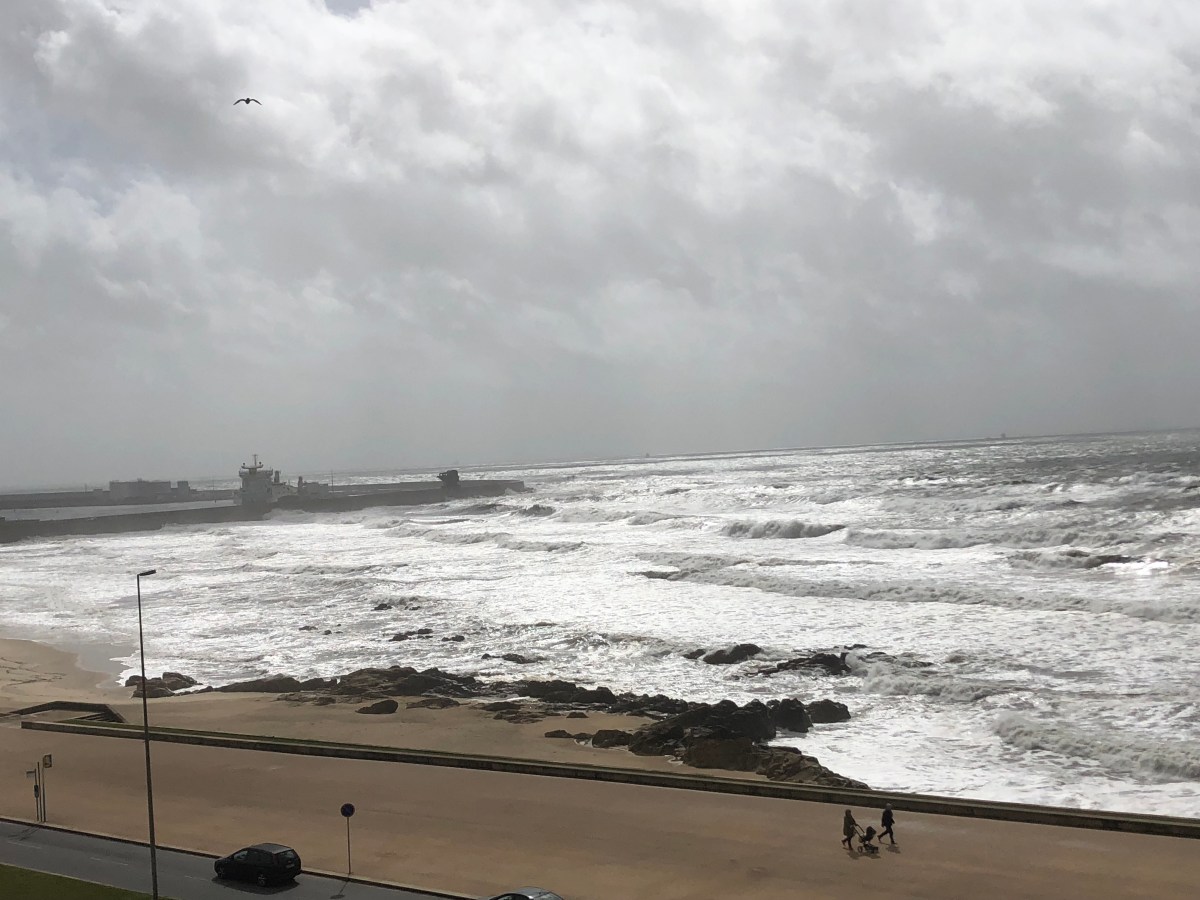
Photo: Leça da Palmeira, after the storm (March 2018)
 Stories from A Closet of Errors