
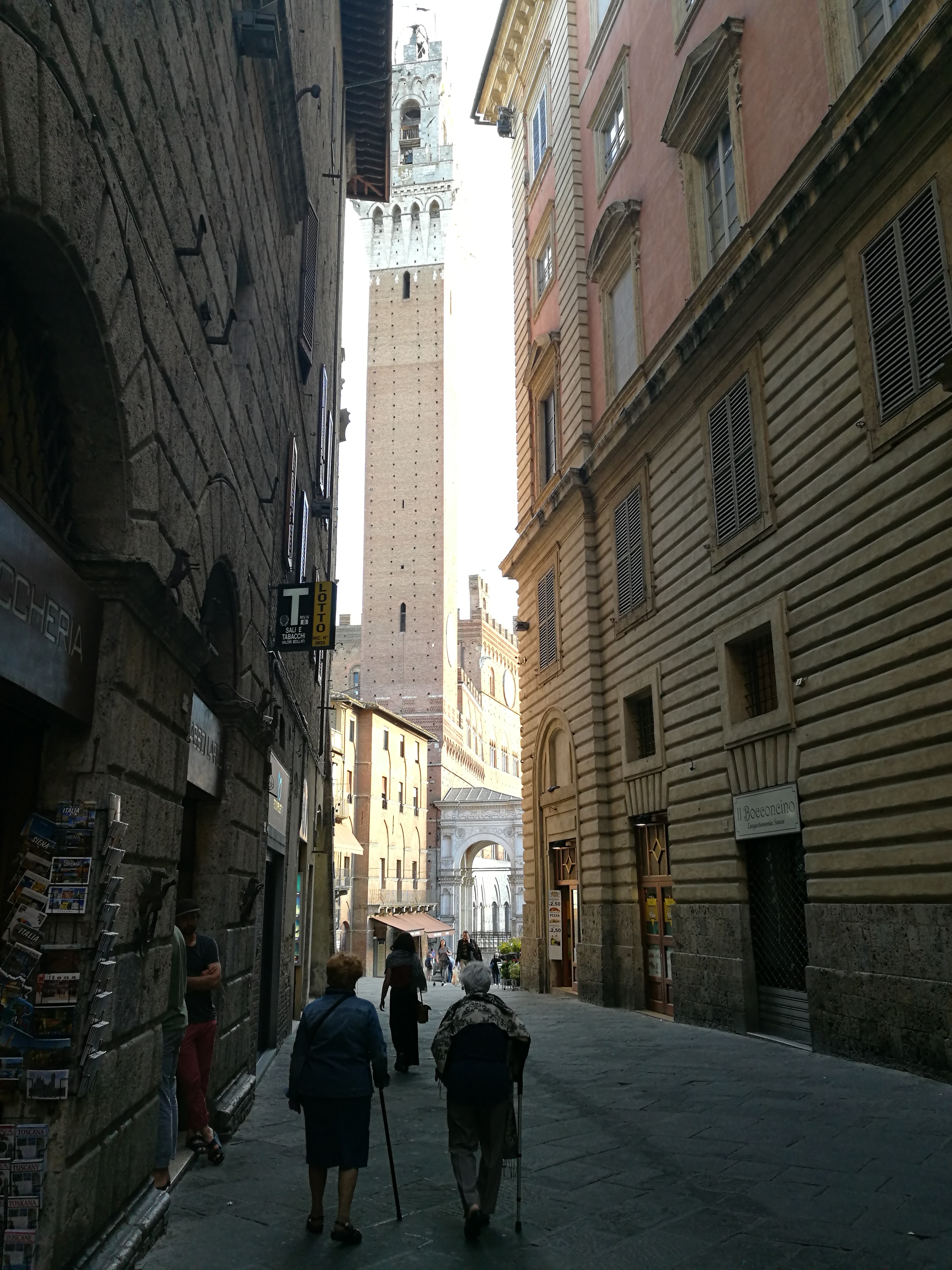
And they all seem beautiful to me.
Siena, May 25 2017

And they all seem beautiful to me.
Siena, May 25 2017

in foolish dreams. A big, decadent, grand house somewhere in the tropics might anchor me…
Photo Aspinwall Pier, Fort Kochi, 2016
I am the escaped one,
After I was born
They locked me up inside me
But I left.
My soul seeks me,
Through hills and valley,
I hope my soul
Never finds me.
Fernando Pessoa, English Poems (1921)
Photo (mine) Ponte de Lima, 21.05.2107
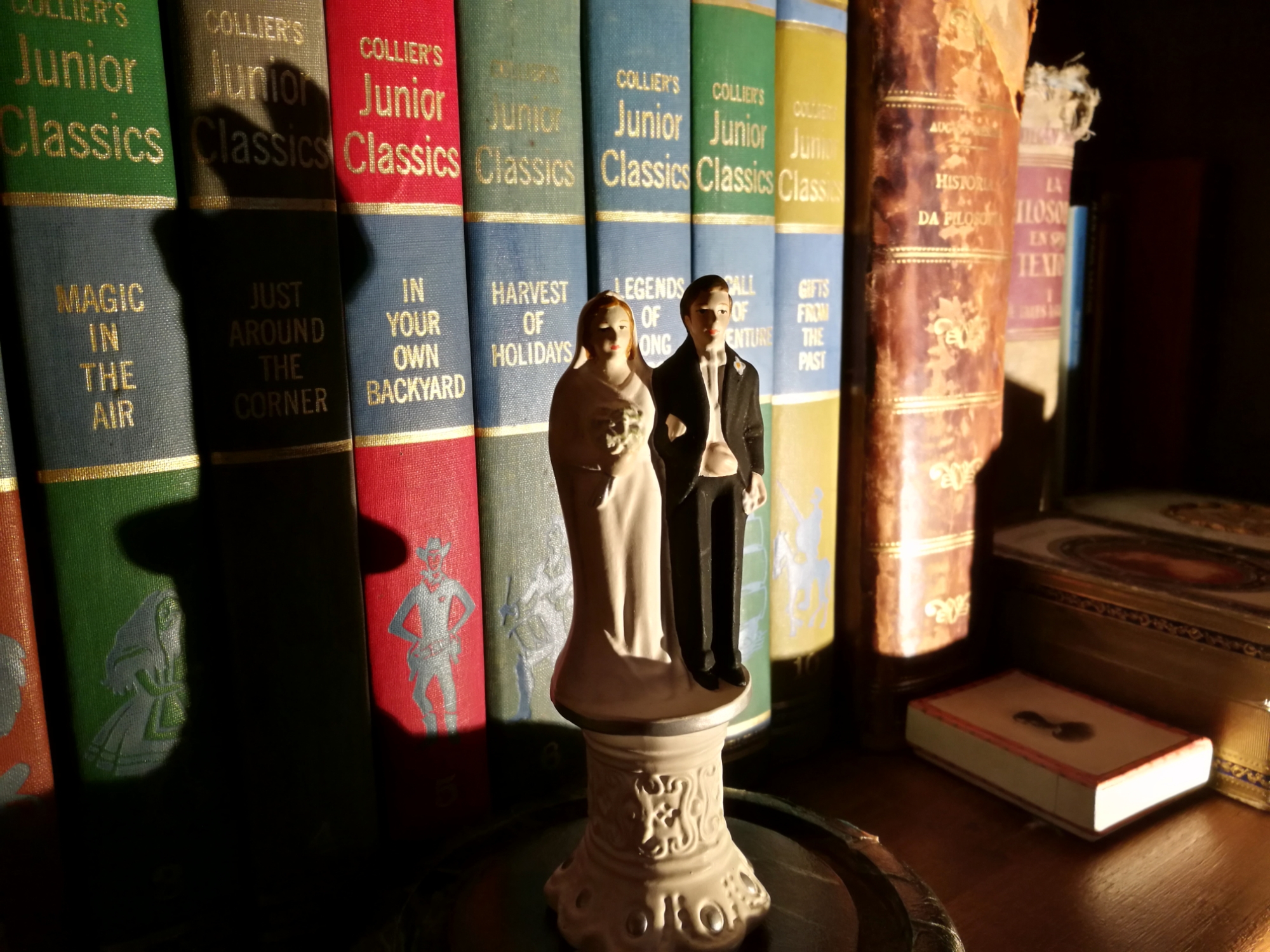
My grandparents got married in September 1948. This was their wedding cake figurine.
References
Costume Designer: Anthea Sylbert
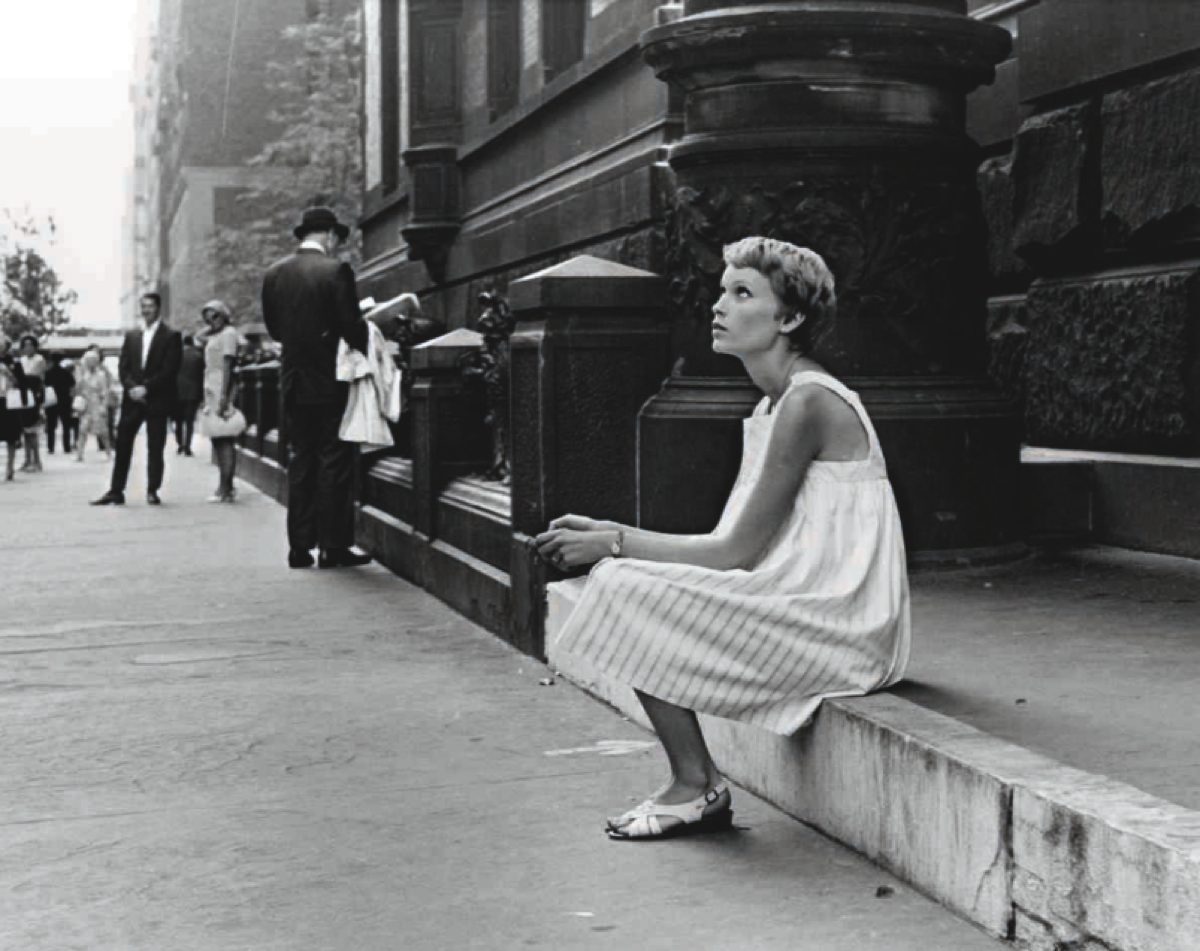
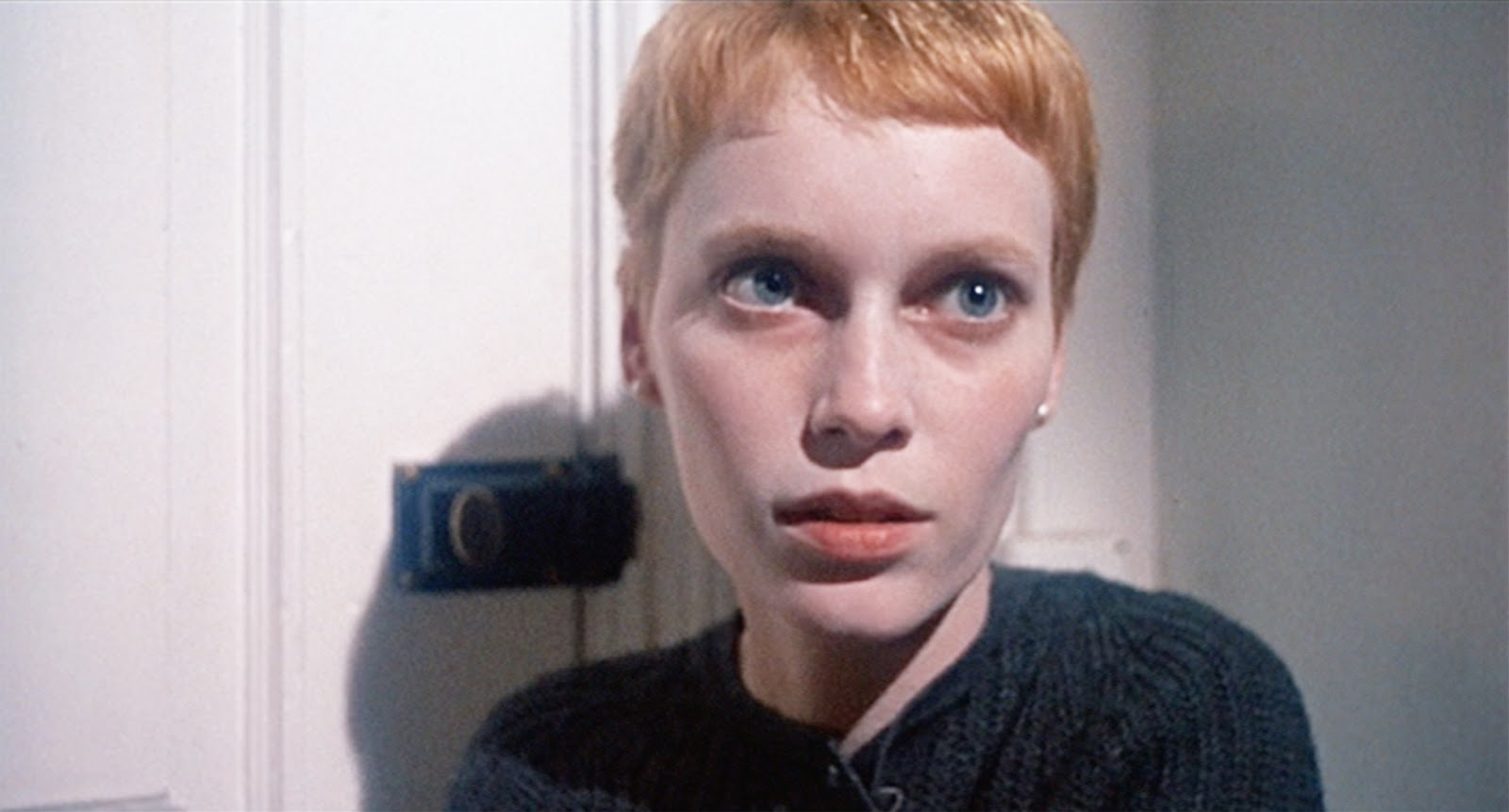
This is not one of my favourite movies and definitely not one of my favourite genres. However, I’m back to my beloved pixie haircut and 60s Mia Farrow is an unavoidable reference.

Plus, there are 56 outfit changes throughout the film and, whether performing a narrative function or a mere stylistic one, they are pretty much all memorable, inspired and inspiring.




References and Photos
Dual Analysis: Rosemary’s Baby – Chris’ Thoughts
Lessons We Can Learn From Rosemary’s Baby
1.
Peony silks,
in wax-light:
that petal-sheen,
gold or apricot or rose
candled into-
what to call it,
lumina, aurora, aureole?
About gowns,
the Old Masters,
were they ever wrong?
This penitent Magdalen’s
wrapped in a yellow
so voluptuous
she seems to wear
all she’s renounced;
this boy angel
isn’t touching the ground,
but his billow
of yardage refers
not to heaven
but to pleasure’s
textures, the tactile
sheers and voiles
and tulles
which weren’t made
to adorn the soul.
Eternity’s plainly nude;
the naked here and now
longs for a little
dressing up. And though
they seem to prefer
the invisible, every saint
in the gallery
flaunts an improbable
tumble of drapery,
a nearly audible liquidity
(bright brass embroidery,
satin’s violin-sheen)
raveled around the body’s
plain prose; exquisite
(dis?)guises; poetry,
music, clothes.
2.
Nothing needs to be this lavish.
Even the words I’d choose
for these leaves;
intricate, stippled, foxed,
tortoise, mottled, splotched
-jeweled adjectives
for a forest by Fabergé,
all cloisonné and enamel,
a yellow grove golden
in its gleaming couture,
brass buttons
tumbling to the floor.
Who’s it for?
Who’s the audience
for this bravura?
Maybe the world’s
just trompe l’oeil,
appearances laid out
to dazzle the eye;
who could see through this
to any world beyond forms?
Maybe the costume’s
the whole show,
all of revelation
we’ll be offered.
So? Show me what’s not
a world of appearances.
Autumn’s a grand old drag
in torched and tumbled chiffon
striking her weary pose.
Talk about your mellow
fruitfulness! Smoky alto,
thou hast thy music,
too; unforgettable,
those October damasks,
the dazzling kimono
worn, dishabille,
uncountable curtain calls
in these footlights’
dusky, flattering rose.
The world’s made fabulous
by fabulous clothes.
Couture
Mark Doty, 1953

Self Reflecting as a fortuneteller (according to my husband) on the tram in Sarajevo
For I do not exist: there exist but the thousands of mirrors that reflect me. With every acquaintance I make, the population of phantoms resembling me increases. Somewhere they live, somewhere they multiply. I alone do not exist. Vladimir Nabokov, The Eye
Not for me a youngman’s death
Not a car crash, whiplash
John Doe, DOA at A&E kind of death.
Not a gun in hand, in a far off land
IED at the roadside death
Not a slow-fade, razor blade
bloodbath in the bath, death.
Jump under a train, Kurt Cobain
bullet in the brain, death
Not a horse-riding paragliding
mountain climbing fall, death.
Motorcycle into an old stone wall
you know the kind of death, death
My nights are rarely unruly. My days
of allnight parties are over, well and truly.
No mistresses no red sports cars
no shady deals no gangland bars
no drugs no fags no rock’n’roll
Time alone has taken its toll
Not for me a youngman’s death
Not a domestic brawl, blood in the hall
knife in the chest, death.
Not a drunken binge, dirty syringe
“What a waste of a life” death.
Not for Me a Youngman’s Death
By Roger McGough

I feel my fate in what I cannot fear.
I learn by going where I have to go.
References
The Waking By Theodore Roethke


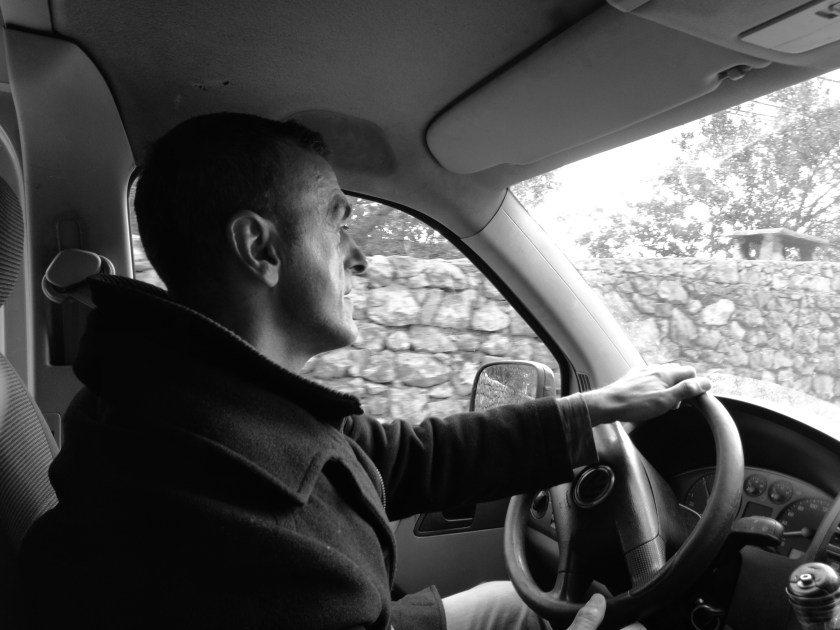
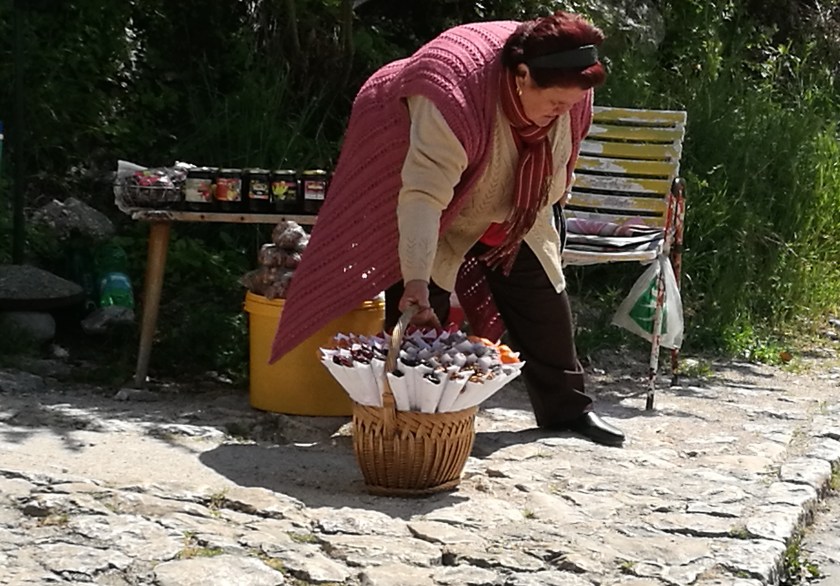
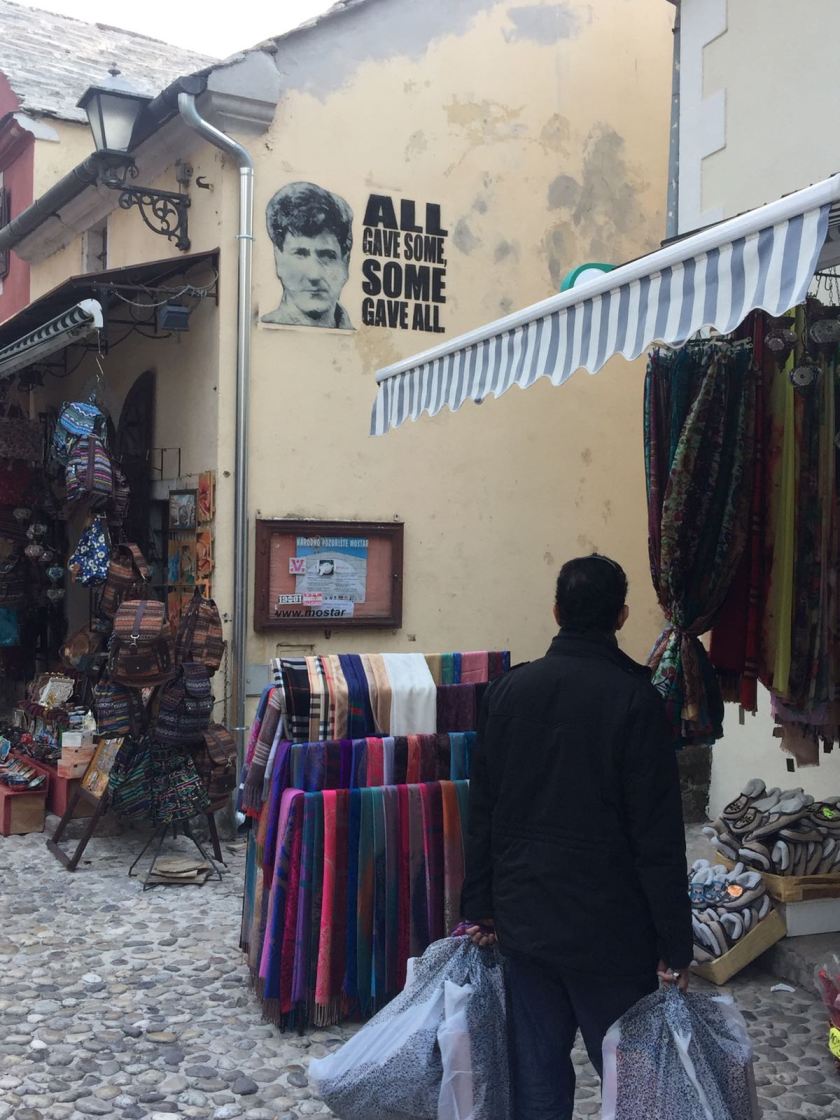


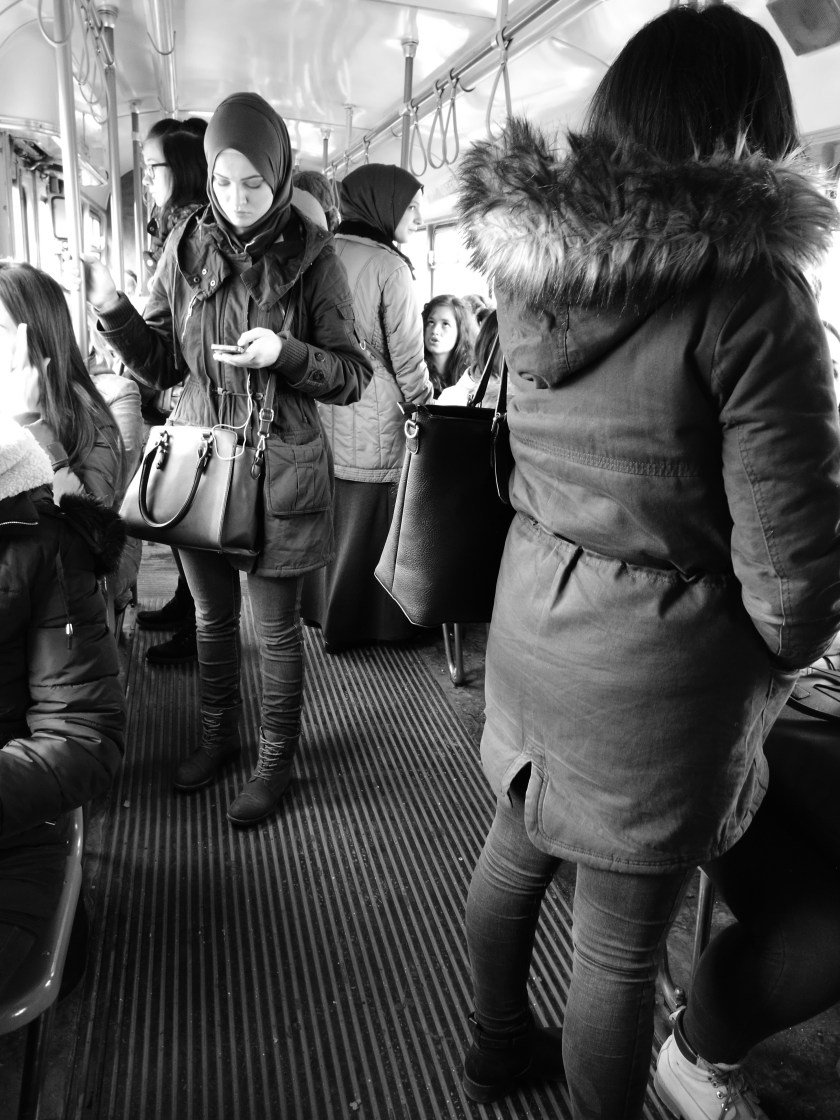





It cannot countervail the exchange of joy
I still have no words of my own.
Sarajevo, Blagaj and Mostar (April, 2017)

I wonder if the snow loves the trees and fields, that it kisses them so gently? And then it covers them up snug, you know, with a white quilt; and perhaps it says, “Go to sleep, darlings, till the summer comes again.”
Lewis Carroll
Ilidža, Sarajevo (this morning)

Ars Aevi, Sarajevo, today
After lunch I went to check Andrey Konchalovsky”s Paradise. This is an incredibly beautiful and intelligent movie about confronting extreme evil and dangerous ideas of a paradise that only exists at the expense of someone else’s living hell.
I walked to my car and Brahms is still echoing in my mind. It takes me a minute or so to realize that the back window was smashed. Nothing stolen. Just petty vandalism or someone got interrupted. And this is, of course, nothing. But, it did work in bringing me down to earth and reality does have a way of making me feel extremely upset.
Now I’m home trying to convince myself I need to start packaging for Sarajevo and this is a place I have never been and the TV memories it evokes, make Konchalosky’s words about his own movie all the more important and, unfortunately, also inconsequential.
‘History is full of great tragedies, most of which remain in our minds as ancient misdeeds that couldn’t possibly be replicated in the present day. One of the most terrifying moments of our generation’s history was the rise of the Nazi party and the extermination of millions of Jews and others who did not fit into the Nazi ideal of a ‘perfect’ German ‘paradise’. These atrocities exposed the depths of mankind’s capabilities for evil and although these events happened in the past, the same kind of radical and hateful thinking is apparent today and threatening the lives and safety of many around the world.
‘Paradise’ reflects on a twentieth century filled with great illusions buried in ruins, the dangers of hateful rhetoric and the need for mankind to use the power of love to triumph over evil.
‘That which has happened is a warning. It must be continually remembered. It was possible for this to happen, and it remains possible for it to happen again at any minute. Only in knowledge can it be prevented. The danger here is in the unwillingness to know, the urge to forget, and the disbelief that all of this actually happened…’ The words of German philosopher Karl Jaspers are tied strongly to the central theme of ‘Paradise’, which urges us not to forget the truths of history, no matter how horrifying or inconvenient, so that we do not repeat them’.
Costume Designers:
Irene Lentz (women)
Arlington Valles (men)
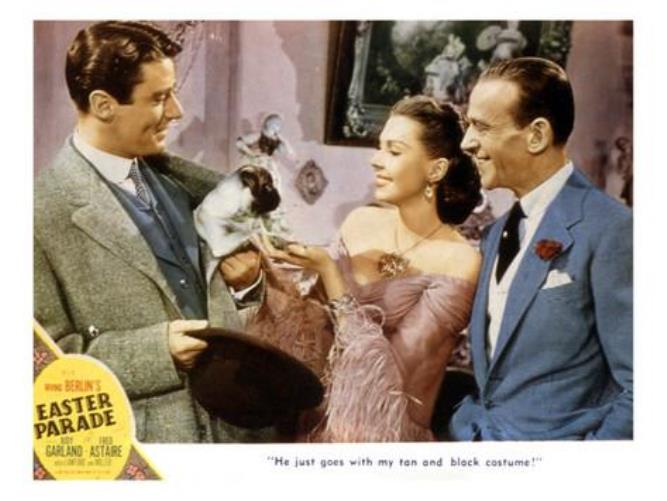
This is a somewhat obvious choice for this week because it’s Easter. Around here we do not have “Easter Parades” and there’s no tradition of Easter bonnets (which is an absolute shame). I wished we had imported this instead of Halloween. We do keep the tradition of wearing brand new clothes as a symbol of renewal and probably of remembrance of “fast-fashion free” times. Despite the lure of new clothes and chocolate eggs, I never liked Easter, I’ve never thought about it as a time of joy. I blame this on the nuns at school and the suffocating weight of tradition in Catholic countries.

Easter Parade is not one of the movies shown around here on TV during Easter break, most probably because in this case Easter just serves as a context and not as a theme. Trumpeted as the “happiest musical ever made”, even if its making seems to have involved quite a lot of suffering and unhappiness), this is the perfect antidote for whatever gloomy feelings I might nurture for Easter. There are 17 Irving Berlin songs, in this movie, stunning dance routines, and a world “in which, it seems, no man leaves the house without top hat and tails; all the women, meanwhile, swan around in fabulous gowns and fantastical Easter bonnets.”

There is Ann Miller playing Nadine ( I couldn’t help myself) who matches her outfits to her dogs (or probably the other way around).

And there is, of course, Fred Astaire!
I’m choosing escapism for Easter!
References and Photos
Must-have movie: Easter Parade (1948)




 Stories from A Closet of Errors