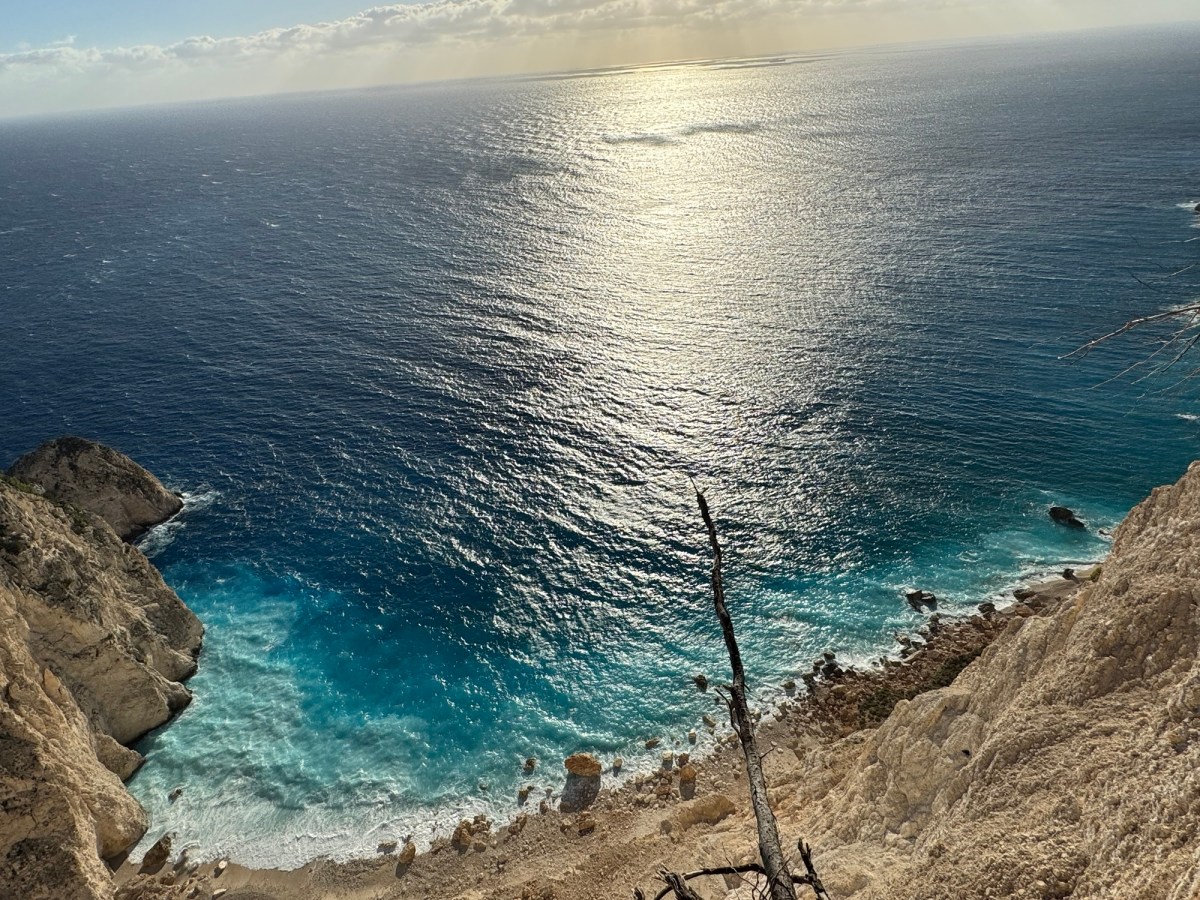
I would quit my job, sell my house and set out for Ithaka because I think I belong to that sea
If I were guaranteed not to fail… I think I’d attempt to be honest with myself. To understand why certain songs make me cry, what wound keeps resurfacing in different masks, what version of myself I’m most afraid to become.
Maybe the fear isn’t really about failing, but about what succeeding would mean. About choosing the untethered life over the anchored one.
As you set out for Ithaka hope your road is a long one, full of adventure, full of discovery. Laistrygonians, Cyclops, angry Poseidon—don’t be afraid of them: you’ll never find things like that on your way as long as you keep your thoughts raised high, as long as a rare excitement stirs your spirit and your body. Laistrygonians, Cyclops, wild Poseidon—you won’t encounter them unless you bring them along inside your soul, unless your soul sets them up in front of you.
Hope your road is a long one. May there be many summer mornings when, with what pleasure, what joy, you enter harbors you’re seeing for the first time; may you stop at Phoenician trading stations to buy fine things, mother of pearl and coral, amber and ebony, sensual perfume of every kind— as many sensual perfumes as you can; and may you visit many Egyptian cities to learn and go on learning from their scholars.
Keep Ithaka always in your mind. Arriving there is what you’re destined for. But don’t hurry the journey at all. Better if it lasts for years, so you’re old by the time you reach the island, wealthy with all you’ve gained on the way, not expecting Ithaka to make you rich.
Ithaka gave you the marvelous journey. Without her you wouldn't have set out. She has nothing left to give you now.
And if you find her poor, Ithaka won’t have fooled you. Wise as you will have become, so full of experience, you’ll have understood by then what these Ithakas mean
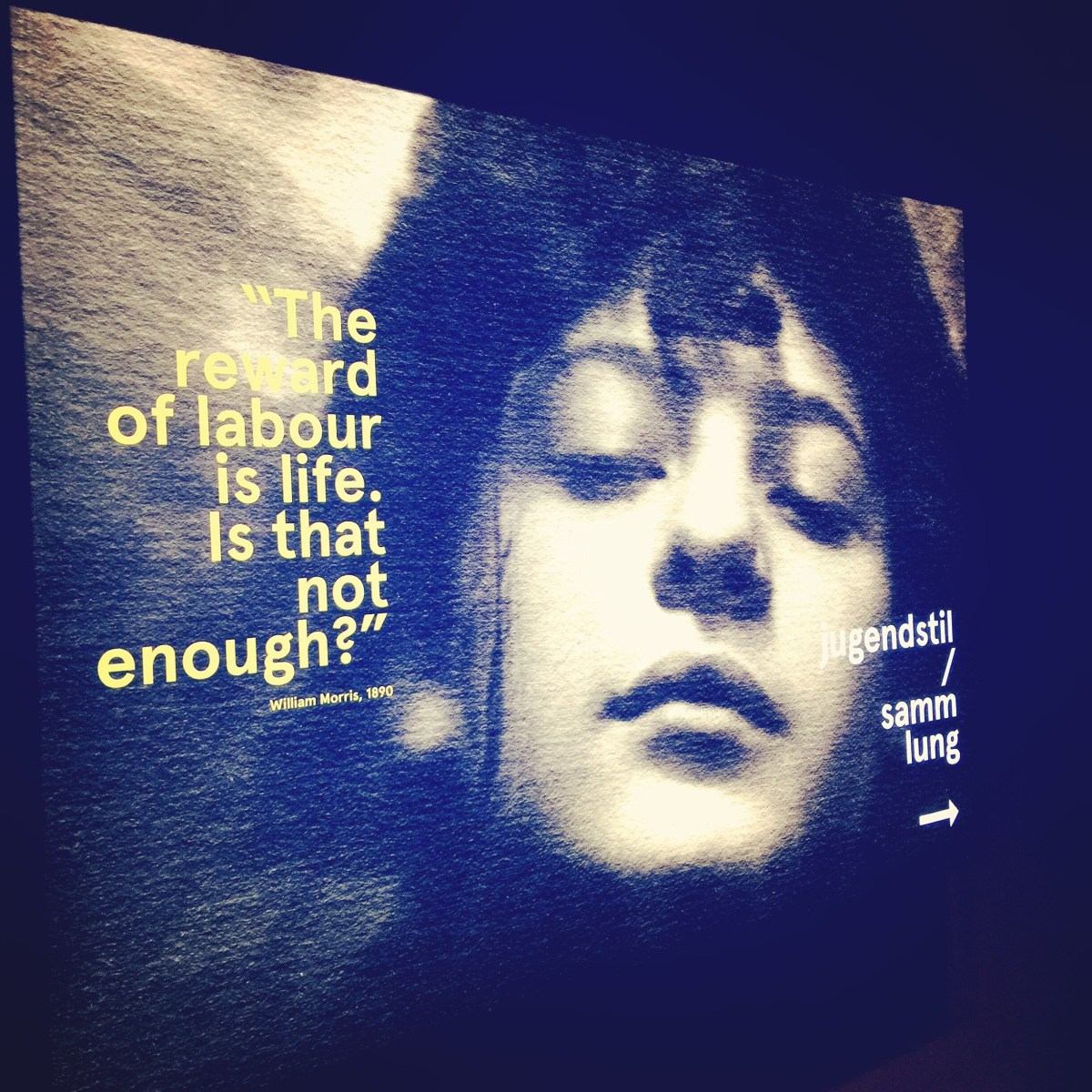
They are not human beings, they are human resources. They do not have names, they have productivity metrics. They do not have faces, they have employee ID numbers. They do not have hearts, they have performance indicators.
Eduardo Galeano’s poem “The Nobodies” pierces through the comfortable abstractions we use to distance ourselves from human suffering. In its stark repetition, it reveals how modern systems transform people into categories, individuals into statistics, and pain into acceptable externalities. But Galeano’s vision, written decades ago, has evolved into something even more insidious in our contemporary moment: we have built a machinery of indifference so sophisticated that it operates without malice, so efficient that it barely requires conscious cruelty.
The Architecture of Abstraction Modern society has perfected the art of making suffering invisible through layers of abstraction. We speak of “market corrections” rather than families losing their homes. We discuss “labor optimization” instead of communities destroyed by factory closures. We analyze “demographic transitions” while people flee wars we barely acknowledge. The language itself becomes a buffer, creating distance between decision-makers and consequences, between the comfortable and the expendable.
This linguistic sleight of hand serves a psychological function as much as a political one. When a pharmaceutical company prices medication beyond the reach of the dying, executives sleep soundly because they are “maximizing shareholder value.” When a social media algorithm amplifies hate speech because it drives engagement, engineers rationalize it as “user preference optimization.” The suffering is real, immediate, and measurable, but the responsibility is diffused through systems so complex that no individual feels accountable for the human cost.
The efficiency obsession that defines our era has transformed this indifference from a moral failing into a virtue. To pause and consider the human impact of our decisions is seen as inefficient, unprofessional, naive. The manager who agonizes over layoffs is less valuable than one who can execute them cleanly. The doctor who spends time comforting patients is less productive than one who processes more cases per hour. We have created incentive structures that systematically reward the suppression of empathy.
The Cruelty Inheritance But beneath these institutional failures lies something more troubling: the persistence of human cruelty across all attempts at moral progress. The armed conflicts ravaging our world today follow patterns established thousands of years ago. In Ukraine, Gaza, Sudan, Myanmar, and countless other places, human beings wake up each day and choose to inflict suffering on other human beings. They do so not despite their humanity, but because of it.
This cruelty is not random or inexplicable. It follows a logic as old as our species: the logic of payback, of transferred pain, of suffering seeking outlet. The person humiliated by their superior finds someone weaker to humiliate. The community traumatized by violence becomes willing to traumatize others. The nation that has been invaded becomes, when strong enough, an invader. We pass our pain down like an inheritance, each generation finding new ways to make others pay for what was done to them.
Modern life has not eliminated this dynamic but has made it more sophisticated. Our frustrations are more diffuse—traffic jams, automated phone systems, bureaucratic mazes, jobs that feel meaningless. None of it is dramatic enough to justify real rage, but it accumulates into a background resentment that seeks expression. The road rage incident, the cruel comment on social media, the casual workplace bullying—these are not aberrations but pressure valves in a system that generates more frustration than it knows how to process.
The Adaptation of Numbness Perhaps most disturbing is how indifference becomes a survival strategy. Healthcare workers learn not to get too attached to patients who might die. Social workers develop emotional barriers to protect themselves from the endless parade of human misery. Politicians master the art of discussing mass suffering in abstract terms because the alternative—feeling it all—would be paralyzing.
This numbness serves a function, but it comes at a cost. The protective callousness that helps us navigate a cruel world gradually becomes genuine indifference. The executive who starts by reluctantly cutting benefits to save the company ends up seeing employees as line items on a spreadsheet. The soldier who learns to dehumanize enemies to survive combat struggles to see civilians as fully human afterward.
The adaptation becomes the identity. We have built economic systems that reward this emotional numbness. The most successful leaders are often those who can make decisions without being burdened by empathy. They advance not despite their indifference to suffering but because of it. Meanwhile, those who remain sensitive to human cost find themselves at a systematic disadvantage, gradually filtered out of positions where they might make a difference.
The Persistence of Patterns Look at the armed conflicts tearing apart our world, and you see the same dynamics Galeano observed in economic exploitation applied to violence. The victims become statistics, their names unknown, their faces unseen. A hospital becomes a “military target.” A school becomes “collateral damage.” Children become “enemy combatants.” The same abstraction that turns workers into resources turns civilians into acceptable losses.
These conflicts reveal something uncomfortable about human nature: our capacity for systematic cruelty seems inexhaustible. We have international laws, human rights frameworks, global communication that makes suffering visible, and yet the violence continues. Each generation discovers new ways to inflict ancient forms of pain. The tools evolve—from swords to drones—but the willingness to use them against other humans remains constant.
What makes this particularly disheartening is how quickly victims can become perpetrators. The oppressed, when they gain power, often replicate the systems that oppressed them. The colonized become colonizers. The abused become abusers. The pattern suggests that cruelty is not a deviation from human nature but an expression of it, waiting to emerge whenever conditions permit.
The Illusion of Progress We tell ourselves stories about moral progress, about civilization advancing toward greater compassion and justice. And there is truth in these stories—slavery is now universally condemned, democratic ideals have spread, human rights discourse has global reach. But these advances exist alongside unchanged patterns of cruelty and indifference. We have become more sophisticated in our methods, more subtle in our violence, more efficient in our exploitation.
The plantation becomes the sweatshop. The colonial administrator becomes the international development expert. The inquisitor becomes the algorithm that decides who gets healthcare. The forms change, but the fundamental dynamic persists: some humans deciding that other humans are expendable in service of larger goals.
Perhaps the most honest conclusion is that the brief periods of peace and cooperation in human history are the anomalies, not the norm. The moral frameworks we construct—religions, philosophies, legal systems—are elaborate attempts to contain something that remains fundamentally unchanged within us. They work, sometimes, for some people, in some places, for limited periods. But they are always fighting against gravity.
The Acceptance of Limits There is something oddly liberating in accepting the persistence of human cruelty rather than continuing to believe it can be eliminated. If indifference and violence are permanent features of human society rather than problems to be solved, then the question becomes not how to create a perfect world but how to minimize harm in an imperfect one.
This acceptance does not mean resignation. It means working within reality rather than against it. Building systems that assume humans will sometimes be cruel rather than systems that assume they won’t. Creating redundancies and safeguards that limit the damage any individual or group can inflict. Recognizing that moral progress is temporary and fragile, requiring constant maintenance rather than being a permanent achievement.
Galeano’s nobodies are still with us, multiplied by technology and globalization. They work in factories we never see, fight in wars we barely acknowledge, suffer from diseases we could cure but choose not to fund. They remain nobody not because we cannot see them but because seeing them clearly would require us to confront uncomfortable truths about ourselves and the systems we maintain.
The machinery of indifference grinds on, fed by our small cruelties and large abstractions, our inherited pain and systemic incentives. It operates with or without our consent, but never without our participation. We are all complicit, and we are all victims, caught in patterns older than civilization and seemingly more durable than any attempt to break them.
Perhaps wisdom lies not in the impossible dream of ending human cruelty but in the more modest goal of reducing it where we can, acknowledging it where we cannot, and refusing to let our necessary numbness become complete blindness. The nobodies are still nobody, but at least we can choose whether to keep pretending we don’t see them.
The nobodies (Los nadies) by Eduardo Galeano, from the book El libro de los abrazos, 1989.
Fleas dream of buying themselves a dog, and nobodies dream of escaping from poverty, that one magical day good luck will soon rain, that good luck will pour down, but good luck doesn’t rain, neither yesterday nor today,nor tomorrow, nor ever, nor does good fall from the sky in little mild showers, however much the nobodies call for it, even if their left hands itch or they get up using their right feet, or they change their brooms at new year. The nobodies: the children of nobody, that masters of nothing, The nobodies: the nothings, those made nothing, running after the hare, dying life, fucked, totally fucked: who are not, although they were. Who speak no languages, only dialects. Who have no religions, only superstitions. Who have have no arts, only crafts. Who have no culture, only folklore. Who are not human beings, but human resources. Who have faces, only arms. Who don’t have names, only numbers. Who don’t count in world history, just in the local press’s stories of violence, crime, misfortune and disaster,. The nobodies who are worth less than the bullets that kill them.
Sueñan las pulgas con comprarse un perro y sueñan los nadies con salir de pobres, que algún mágico día llueva de pronto la buena suerte, que llueva a cántaros la buena suerte; pero la buena suerte no llueve ayer, ni hoy, ni mañana, ni nunca, ni en lloviznita cae del cielo la buena suerte, por mucho que los nadies la llamen y aunque les pique la mano izquierda, o se levanten con el pie derecho, o empiecen el año cambiando de escoba. Los nadies: los hijos de nadie, los dueños de nada. Los nadies: los ningunos, los ninguneados, corriendo la liebre, muriendo la vida… Que no son, aunque sean. Que no hablan idiomas, sino dialectos. Que no profesan religiones, sino supersticiones. Que no hacen arte, sino artesanía. Que no practican cultura, sino folklore. Que no son seres humanos, sino recursos humanos. Que no tienen cara, sino brazos. Que no tienen nombre, sino número. Que no figuran en la historia universal, sino en la crónica roja de la prensa local. Los nadies, que cuestan menos que la bala que los mata
The world is a beautiful place to be born into if you don’t mind happiness not always being so very much fun if you don’t mind a touch of hell now and then just when everything is fine because even in heaven they don’t sing all the time
The world is a beautiful place to be born into if you don’t mind some people dying all the time or maybe only starving some of the time which isn’t half so bad if it isn’t you
Oh the world is a beautiful place to be born into if you don’t much mind a few dead minds in the higher places or a bomb or two now and then in your upturned faces or such other improprieties as our Name Brand society is prey to with its men of distinction and its men of extinction and its priests and other patrolmen and its various segregations and congressional investigations and other constipations that our fool flesh is heir to
Yes the world is the best place of all for a lot of such things as making the fun scene and making the love scene and making the sad scene and singing low songs of having inspirations and walking around looking at everything and smelling flowers and goosing statues and even thinking and kissing people and making babies and wearing pants and waving hats and dancing and going swimming in rivers on picnics in the middle of the summer and just generally ‘living it up’
Yes but then right in the middle of it comes the smiling mortician
’T is you that are the music, not your song. The song is but a door which, opening wide, Lets forth the pent-up melody inside, Your spirit’s harmony, which clear and strong Sing but of you. Throughout your whole life long Your songs, your thoughts, your doings, each divide This perfect beauty; waves within a tide, Or single notes amid a glorious throng. The song of earth has many different chords; Ocean has many moods and many tones Yet always ocean. In the damp Spring woods The painted trillium smiles, while crisp pine cones Autumn alone can ripen. So is this One music with a thousand cadences.
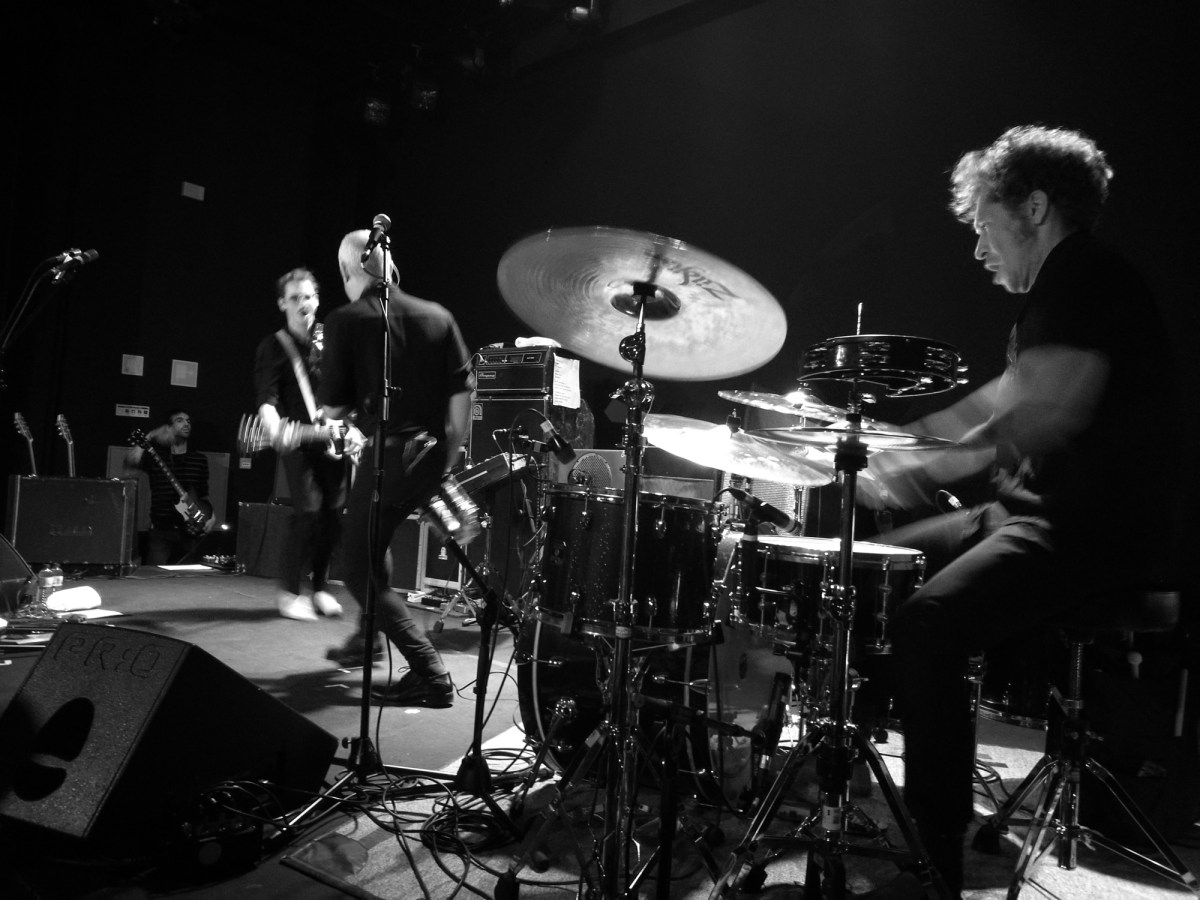
I can’t find a definitive answer. There are some genres—just a few—that don’t speak to me, but almost all music transforms the often banal rhythms of everyday life into something cinematic and wonderful.
I like to think that I’ve got this incredible range that spans from the raw power of punk to the grandiose drama of opera, the passionate intensity of flamenco to the groove mastery of Prince’s funk.
I am drawn to music that has intensity and emotional authenticity. This could be delivered through a screaming guitar, a soaring aria, or Prince’s unmistakable groove. I suppose these seemingly different genres all share that transformative cinematic quality. Each one paints everyday life with bold, dramatic strokes – just in very different colors.
Summer, 1992. I was leaving my boyfriend’s house to head home. The night air held that particular warmth of early summer evenings—the kind that makes you believe everything is possible. I imagine I was thinking about England, where I’d soon be studying. Perhaps I was daydreaming about the perfect life that seemed to be unfolding before me. It was full of love. I was utterly in love.
And then, nothing.
The next moment in my memory is waking up in a hospital bed, looking at a woman I couldn’t recognize—my own mother. They tell me I flew 80 meters across the street when the car hit me. The driver never stopped. Never looked back to see the aftermath of their impact, both the physical body they’d broken and the future they’d altered.
I’ve had to reconstruct this night through police reports and courtroom testimonies. Witnesses described what I cannot remember. It’s disorienting to have such a significant moment of your life exist only in the accounts of strangers. It’s as if the narrative of my life has a tear in it, edges that don’t quite meet.
This was the summer before England. Before university. Before what should have been the beginning of everything.
What followed was not the perfect life I had meticulously planned. Looking back now, I see how that night became the first domino in a long sequence of self-destruction. The person who flew across that street never quite landed. Or perhaps she landed as someone else entirely.
I’ve spent years trying to understand why surviving led to destroying. Was it the traumatic brain injury altering something fundamental in my decision-making? Was it the brush with mortality that made me reckless? Or was it simpler than that—the realization that control is an illusion, that perfect lives don’t exist, that plans are just elaborate wishes?
The driver who hit me took many things. My memories of that night. My sense of safety. My trajectory. But perhaps the most significant thing they took was my belief in the orderly progression of life—that good choices lead to good outcomes, that we are the architects of our futures.
I’ve come to understand something else in the years since. That perfect life I thought I was destroying after the accident? It was never real. It was never possible. It existed only in the mind of a young woman who hadn’t yet learned that life isn’t a straight line but a series of collisions—some literal, some figurative—that push us in unexpected directions.
Sometimes I wonder who I would have become without that night. Would the perfect life have unfolded as planned? Or would some other moment have become my pivot point?
These questions have no answers. There is only this life—the one that began again in a hospital bed, looking at a mother I couldn’t recognize, piecing together a new understanding of myself from the fragments that remained.
It wasn’t the summer I expected. It wasn’t the life I planned. No bones were broken but something else was shattered.
Hit and run
More than silence was needed, what was needed was at least a screaming fit, a nervous breakdown, a fire, doors slamming, a rushing about. But you said nothing, you wanted to cry, but first you had to straighten up your hair, you asked me the time, it was 3 p.m., I don’t remember now which day, maybe a day when it was I who was dying, a day that had begun badly, I had left the keys in the lock on the inside of the door, and now there you were, dead (dead and even looking dead!), gazing up at me in silence stretched out on the road, and no one asked a thing and no one spoke aloud.
I first found this poem while browsing books at a FNAC store in downtown Porto. It stuck with me because, while in high school, a colleague was run over. Another girl and I called a friend who lived near her family (pre-cell phone era). He went to get her mum and meet us at the hospital. When they finally arrived, this boy was furious. The girl’s mother had told him to wait while she did her hair and makeup.
Art has long been regarded as a vessel for truth, transcending mere aesthetics to probe the depths of human experience. For Hegel, art is a stage in the unfolding of the Absolute Spirit, rendering abstract truths sensuously intelligible. Harold Bloom, in Take Arms Against a Sea of Troubles, positions poetry as a shield against existential despair, a means of self-creation in the face of chaos. This essay explores how poetry, as an art form, bridges Hegel’s universal truth and Bloom’s individual salvation, arguing that poetry uniquely mediates between collective human consciousness and personal revelation.
Hegel’s philosophy situates art within the dialectical journey of the Absolute Spirit toward self-realization. In his Lectures on Aesthetics, he posits that art’s purpose is to “unfold the truth” by embodying spiritual ideals in material forms. Unlike philosophy, which abstracts truth into concepts, art makes truth palpable through imagery, sound, and narrative. Poetry, as the highest form of verbal art, synthesizes the concrete and the abstract, using language to evoke both emotion and intellect. For Hegel, great poetry—such as Greek tragedy or Shakespearean drama—captures the spirit of its age, reflecting societal values and conflicts. The truth here is historical and collective, a manifestation of humanity’s evolving self-awareness.
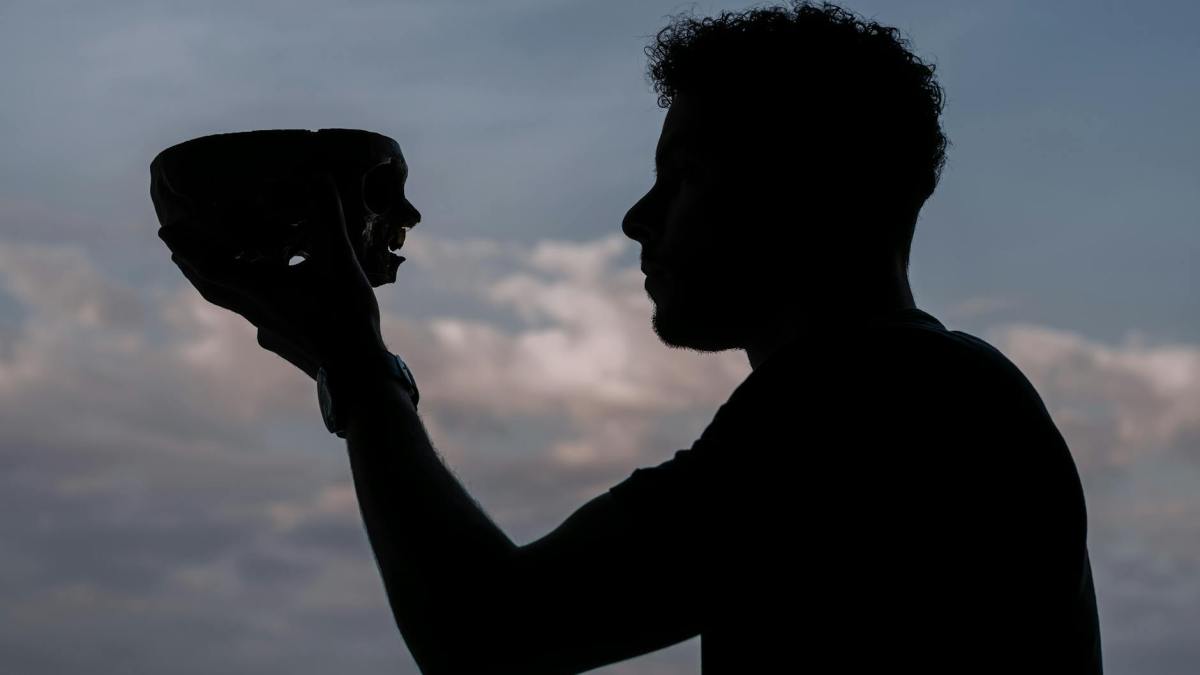
Bloom’s Take Arms Against a Sea of Troubles shifts the focus inward, framing poetry as a tool for individual survival. Drawing on Shakespeare’s Hamlet (“take arms against a sea of troubles”), Bloom argues that poetry equips readers to confront suffering and mortality. Through close engagement with canonical poets—from Milton to Whitman—readers forge their own identities, resisting the “anxiety of influence” by internalizing and reinterpreting poetic voices. For Bloom, truth is not universal but existential; it emerges in the interplay between reader and text, offering solace and self-knowledge. Poetry becomes a “mirror turned lamp,” illuminating the reader’s inner world while reflecting shared human struggles.
Hegel and Bloom converge in their belief that art reveals truths inaccessible to pure reason, but they diverge in scope. Hegel’s truth is teleological, part of humanity’s collective march toward freedom. Bloom’s is intimate, a dialogue between solitary reader and text. Yet poetry bridges these realms. Consider Wordsworth’s Tintern Abbey: Hegel might laud its embodiment of Romanticism’s spirit, while Bloom would emphasize its therapeutic role in reconciling memory and loss. Similarly, Emily Dickinson’s condensed verses distill metaphysical inquiries into personal lyricism, satisfying Hegel’s demand for sensuous form and Bloom’s call for existential courage.
Poetry’s power lies in its duality. It transforms abstract truths (Hegel’s “Absolute”) into visceral imagery, while inviting readers to project their lived experiences onto its language (Bloom’s “self-creation”). A Shakespearean sonnet about time’s passage speaks both to Renaissance cosmology and a modern reader’s fear of mortality. This duality ensures poetry’s endurance: it is both a cultural artifact and a personal companion.
Hegel and Bloom, though separated by centuries and aims, collectively affirm poetry’s role as a mediator of truth. For Hegel, it is a historical force; for Bloom, a lifeline. Together, they illustrate how poetry transcends its form to become a space where universal and personal truths coexist. In an age of fragmentation, poetry remains vital—not merely as a relic of the spirit’s journey, but as a living dialogue between the self and the sublime. As long as humans seek meaning in chaos, poetry will endure as both witness and weapon, unfolding truths that philosophy cannot touch and solace that history cannot provide.
Disclaimer: not really jotting down the first thing that comes to mind, practicing for a speech next week
If you don’t know the kind of person I am and I don’t know the kind of person you are a pattern that others made may prevail in the world and following the wrong god home we may miss our star.
For there is many a small betrayal in the mind, a shrug that lets the fragile sequence break sending with shouts the horrible errors of childhood storming out to play through the broken dyke.
And as elephants parade holding each elephant’s tail, but if one wanders the circus won’t find the park, I call it cruel and maybe the root of all cruelty to know what occurs but not recognize the fact.
And so I appeal to a voice, to something shadowy, a remote important region in all who talk: though we could fool each other, we should consider— lest the parade of our mutual life get lost in the dark.
For it is important that awake people be awake, or a breaking line may discourage them back to sleep; the signals we give—yes or no, or maybe— should be clear: the darkness around us is deep.
Some people enter a room like a storm; others radiate calm. Their “frequency” alters the space around them.
Do you rush? Linger? Dance while cooking? Your cadence reveals inner worlds.
The words you choose
Favorite phrases, slang, or even silences—words betray your history, humor, and heart.
How you frame experiences—a scientist might describe love as chemistry; a poet, as a wildfire. The specific vocabulary, phrases, and metaphors someone gravitates toward creates a verbal fingerprint. I’ve noticed how certain people have signature expressions or ways of framing ideas that immediately identify them, even in writing
How you treat others
The small kindnesses or thoughtlessness, who we make time for, how we respond to vulnerability or need – these interactions form patterns that define us. Some people consistently elevate others, while some drain energy from every room.
Your memory
It’s not just what we remember, but how we remember, what we forget, and how those memories reshape us over time. As Oliver Sacks said “Memory is dialogic and arises not only from direct experience but from the intercourse of many minds. […] It is a form of storytelling that goes on in the mind and never stops. […] Our memories are, in the end, a shifting, vanishing, mutating thing, a mirage of unreliable glimpses.” We don’t just have memories; we curate them, unconsciously editing our past to make sense of our present.
Your contradictions
Some people manage to be elegant yet unsettling, cool yet chaotic, polished but always a little off.
Each of us is an entire society, a whole neighborhood of Mystery; it is fitting that we at least make the life of this neighborhood elegant and distinguished, that in the celebrations of our sensations there be refinement and decorum, and that, because it is sober, there be courtesy in the banquets of our thoughts.
They turn the water off, so I live without water, they build walls higher, so I live without treetops, they paint the windows black, so I live without sunshine, they lock my cage, so I live without going anywhere, they take each last tear I have, I live without tears, they take my heart and rip it open, I live without heart, they take my life and crush it, so I live without a future, they say I am beastly and fiendish, so I have no friends, they stop up each hope, so I have no passage out of hell, they give me pain, so I live with pain, they give me hate, so I live with my hate, they have changed me, and I am not the same man, they give me no shower, so I live with my smell, they separate me from my brothers, so I live without brothers, who understands me when I say this is beautiful? who understands me when I say I have found other freedoms?
I cannot fly or make something appear in my hand, I cannot make the heavens open or the earth tremble, I can live with myself, and I am amazed at myself, my love, my beauty, I am taken by my failures, astounded by my fears, I am stubborn and childish, in the midst of this wreckage of life they incurred, I practice being myself, and I have found parts of myself never dreamed of by me, they were goaded out from under rocks in my heart when the walls were built higher, when the water was turned off and the windows painted black. I followed these signs like an old tracker and followed the tracks deep into myself, followed the blood-spotted path, deeper into dangerous regions, and found so many parts of myself, who taught me water is not everything, and gave me new eyes to see through walls, and when they spoke, sunlight came out of their mouths, and I was laughing at me with them, we laughed like children and made pacts to always be loyal, who understands me when I say this is beautiful?
Most people, and I am, obviously, most people as well, don’t fully understand how much their perception of reality is shaped by their own emotions, biases, and past experiences. The line between “knowing” and “feeling” is far blurrier than we often acknowledge. Much of what we consider “knowledge” is deeply entangled with emotion, intuition, and social conditioning. This is why debates over facts can feel so personal. They can even seem existential.
Accepting that much of what we “know” is provisional, socially shaped, or emotionally charged is the first step toward clearer thinking. But, at times, taking this first step just feels too much of an effort.
The first principle is that you must not fool yourself—and you are the easiest person to fool.











 Stories from A Closet of Errors