
The World is a Beautiful Place by Lawrence Ferlinghetti
The world is a beautiful place
to be born into
if you don’t mind happiness
not always being
so very much fun
if you don’t mind a touch of hell
now and then
just when everything is fine
because even in heaven
they don’t sing
all the time
The world is a beautiful place
to be born into
if you don’t mind some people dying
all the time
or maybe only starving
some of the time
which isn’t half so bad
if it isn’t you
Oh the world is a beautiful place
to be born into
if you don’t much mind
a few dead minds
in the higher places
or a bomb or two
now and then
in your upturned faces
or such other improprieties
as our Name Brand society
is prey to
with its men of distinction
and its men of extinction
and its priests
and other patrolmen
and its various segregations
and congressional investigations
and other constipations
that our fool flesh
is heir to
Yes the world is the best place of all
for a lot of such things as
making the fun scene
and making the love scene
and making the sad scene
and singing low songs of having
inspirations
and walking around
looking at everything
and smelling flowers
and goosing statues
and even thinking
and kissing people and
making babies and wearing pants
and waving hats and
dancing
and going swimming in rivers
on picnics
in the middle of the summer
and just generally
‘living it up’
Yes
but then right in the middle of it
comes the smiling
mortician
Tag: travel
The unlived life of N S
The unexamined life is surely worth living, but is the unlived life worth examining?
I think Stanley Kubrick actually captured something similar when he said “The truth of a thing is in the feel of it, not the think of it.”
While Socrates emphasized reflection as crucial to a meaningful life, there needs to be something substantive to reflect upon. Pure contemplation without lived experience could become a kind of hollow philosophical exercise.
There’s a point where self-reflection can spiral into a kind of paralytic introspection or self-commiseration.
When examination turns into rumination, we find ourselves in an echo chamber of our own thoughts. This detaches us from the vitality of direct experience. Excessive self-examination can also drain experiences of their natural meaning and immediacy.
Yet, I wonder if the issue isn’t with examination itself, but with its nature and purpose. There’s a difference between examination that enriches our engagement with life – helping us understand our patterns, make better choices, appreciate moments more fully – and examination that becomes a form of self-absorbed withdrawal from life.
A little more sun – I’d have been embers,
A little more blue – I’d have been beyond.
To reach it, I lacked the stroke of wings…
If only I had stayed beneath…

Wonder or peace? In vain… All faded
In a vast, deceitful sea of foam;
And the grand dream awakened in mist,
The grand dream – oh pain! – almost lived…

Almost love, almost triumph and flame,
Almost the beginning and end – almost expansion…
But in my soul, everything spills out…
And yet nothing was mere illusion!

Everything had a start… and all went astray…
– Oh, the pain of being – almost, endless pain…
I failed others, failed myself,
A wing that entwined but didn’t fly…

Moments of soul that I squandered…
Temples where I never raised an altar…
Rivers I lost without leading to the sea…
Yearnings that passed but I never held…

If I wander, I find only traces…
Gothic arches toward the sun – I see them closed;
And hands of heroes, without faith, cowardly,
Set bars over the precipices…

In a diffuse impulse of despair,
I began everything and possessed nothing…
Today, of me, only disillusion remains,
Of the things I kissed but never lived…

A little more sun – and I’d have been embers,
A little more blue – and I’d have been beyond.
To reach it, I lacked the stroke of wings…
If only I had stayed beneath…

(AI translation)

Here's the original poem, Quase by Mário de Sá Carneiro:


Um pouco mais de sol – eu era brasa,
Um pouco mais de azul – eu era além.
Para atingir, faltou-me um golpe de asa…
Se ao menos eu permanecesse aquém…

Assombro ou paz? Em vão… Tudo esvaído
Num grande mar enganador de espuma;
E o grande sonho despertado em bruma,
O grande sonho – ó dor! – quase vivido…

Quase o amor, quase o triunfo e a chama,
Quase o princípio e o fim – quase a expansão…
Mas na minh’alma tudo se derrama…
Entanto nada foi só ilusão!

De tudo houve um começo … e tudo errou…
– Ai a dor de ser – quase, dor sem fim…
Eu falhei-me entre os mais, falhei em mim,
Asa que se enlaçou mas não voou…

Momentos de alma que, desbaratei…
Templos aonde nunca pus um altar…
Rios que perdi sem os levar ao mar…
Ânsias que foram mas que não fixei…

Se me vagueio, encontro só indícios…
Ogivas para o sol – vejo-as cerradas;
E mãos de herói, sem fé, acobardadas,
Puseram grades sobre os precipícios…

Num ímpeto difuso de quebranto,
Tudo encetei e nada possuí…
Hoje, de mim, só resta o desencanto
Das coisas que beijei mas não vivi…

Um pouco mais de sol – e fora brasa,
Um pouco mais de azul – e fora além.
Para atingir faltou-me um golpe de asa…
Se ao menos eu permanecesse aquém…
Yes, that “agony of the almost” is the heart of what makes this poem so powerful and painful. Sá-Carneiro captures something uniquely torturous about consciousness – not just the pain of failure, but the specific suffering that comes from knowing you came close and fell short. All the intention was there – just not the final decisive action. It’s the difference between never having talent and having talent you squandered.
There’s also something especially modern about this kind of suffering. In earlier times, one’s path might have been more predetermined by circumstances. But now, we face a growing burden of choice and possibility. This makes the failure to realize potential feel like a personal shortcoming instead of an external limitation.
And, again, the same question, is the unlived life worth examining? Awareness itself can be a curse. As Sá-Carneiro, we don’t just lament missed opportunities, but also knowing about them – and wish we “had stayed beneath.” Self-reflection does have a potential to become self-commiseration – when awareness of what could have been overwhelms and paralyzes rather than motivates. And we stay trapped between worlds – neither fully engaged in life nor able to transcend it (“To reach it, I lacked the stroke of wings…”)
If, as Joan Didion wrote “We are well advised to keep on nodding terms with the people we used to be, whether we find them attractive company or not”, we might as well learn how to come to terms with the people we did not become.
References
Adam Phillips, Missing Out: In Praise of the Unlived Life
If there was a biography about you, what would the title be?
Harmonies of Chance

I do not know how I got here. Time is a difficult concept for me and, I really do not know the answer to how do significant life events or the passage of time influence my perspective on life.
I remember a few negative experiences from my childhood but can’t be really precise on the when; up to now I have been fortunate enough not to loose my parents, getting divorced felt more like a failure than a significant life event, most probably because getting married felt like a mistake. This, my therapist says, suggests a kind of emotional self-protection, a way of minimizing the impact of what could have been a deeply transformative experience. Perhaps this speaks to a broader coping mechanism – the ability to reframe potentially painful experiences in a way that doesn’t allow them to become definitional moments.
Loosing my grandmother was hard but I can’t remember the exact year, 2011, maybe. In November 2014 I was alone in Vietnam for work and, on the 16th I received a text message saying that my great aunt (my grandmother’s sister) had died. I can’t remember what the movie on the hotel TV was but the final credits rolled in to the sound of Into My Arms. Violeta, who was also there for work as well and whom I had never met before, and have never seen again but 10 years on still says I’m her “One Night Best Friend Forever” spent the whole day and evening with me the next day wandering the streets, parks, shops and cafés of Hanoi. We spent same time at a particular coffee shop watching life happen on the other side of the street while the radio played a Vietnamese rendition of Seasons in the Sun.
If I could, I’m pretty sure I can’t, speak of myself as a “curator”, I would say that my memories seem to be curated not by chronological accuracy, but by emotional resonance. The day in Hanoi, the loss of my great aunt, these moments have been preserved with a kind of tender, even if painful, clarity.
The inaccuracy of our memories—where dates and childhood experiences are unclear—indicates that we perceive time differently, more instinctively than in a straight line. We don’t recall events in order but through how they made us feel. Memories linger not due to exact times, but because of their ability to change us.
I don’t know if I have changed but I did learn that I too have the ability to be vulnerable, to allow a stranger to witness my grief, and to be remarkably open to human connection.
I have also learned how to find beauty in uncertainty, meaning in transient connections. The Vietnamese rendition of “Seasons in the Sun” playing while life unfolded on a street in Hanoi became a metaphor for what I think is my approach to existence – finding poetry in unexpected moments, creating meaning from seemingly random encounters.
I haven’t created a clear plan for my life and I, definitely don’t have everything figured out. When I’m being kind to myself, I think of my experiences as improvisational music. Maybe because I am too lazy to do it differently, I have accepted that it’s not about sticking to a script; it’s about discovering harmony in unexpected moments and finding meaning in random encounters. The strangers who are briefly but unconditionally there for me and the music that captures emotions too complex for words – these are the true landmarks of my journey.
How do significant life events or the passage of time influence your perspective on life?


Riding Alone for Thousands of Miles

In Lijiang, the sign outside your hostel
glares: Ride alone, ride alone, ride
alone – it taunts you for the mileage
of your solitude, must be past
thousands, for you rode this plane
alone, this train alone, you’ll ride
this bus alone well into the summer night,
well into the next hamlet, town,
city, the next century, as the trees twitch
and the clouds wane and the tides
quiver and the galaxies tilt and the sun
spins us another lonely cycle, you’ll
wonder if this compass will ever change.
The sun doesn’t need more heat,
so why should you? The trees don’t need
to be close, so why should you?
From above
The thousands of mirrors that reflect me

Self Reflecting as a fortuneteller (according to my husband) on the tram in Sarajevo
For I do not exist: there exist but the thousands of mirrors that reflect me. With every acquaintance I make, the population of phantoms resembling me increases. Somewhere they live, somewhere they multiply. I alone do not exist. Vladimir Nabokov, The Eye
Getting to fly

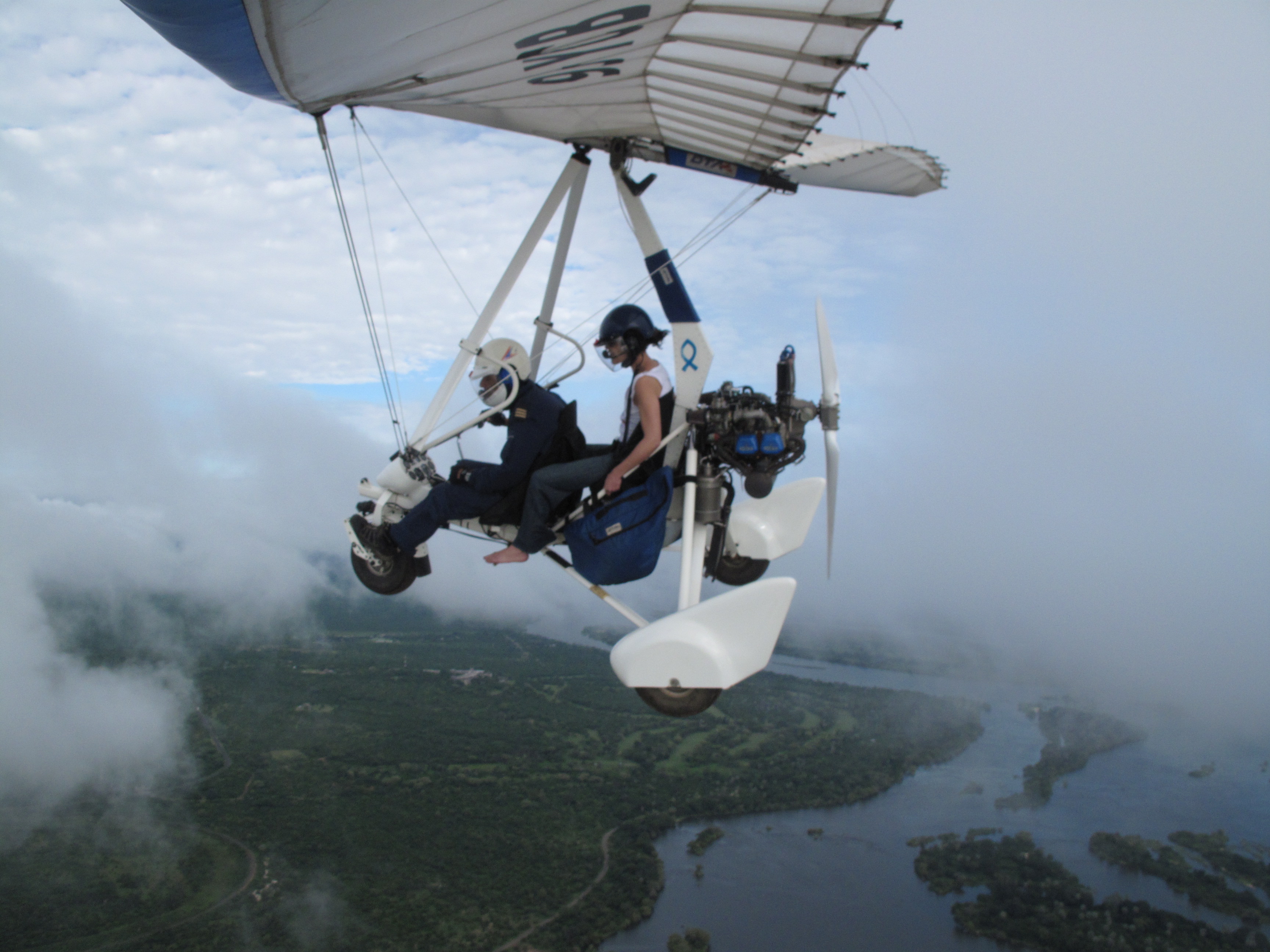
In December 2009 I finally managed to finish my PhD. In January 2010, as a reward, I took myself to Zambia because I have always been fascinated by Dr. Livingstone.

I am not a particularly brave person, I’m actually quite shy and insecure most of the times.
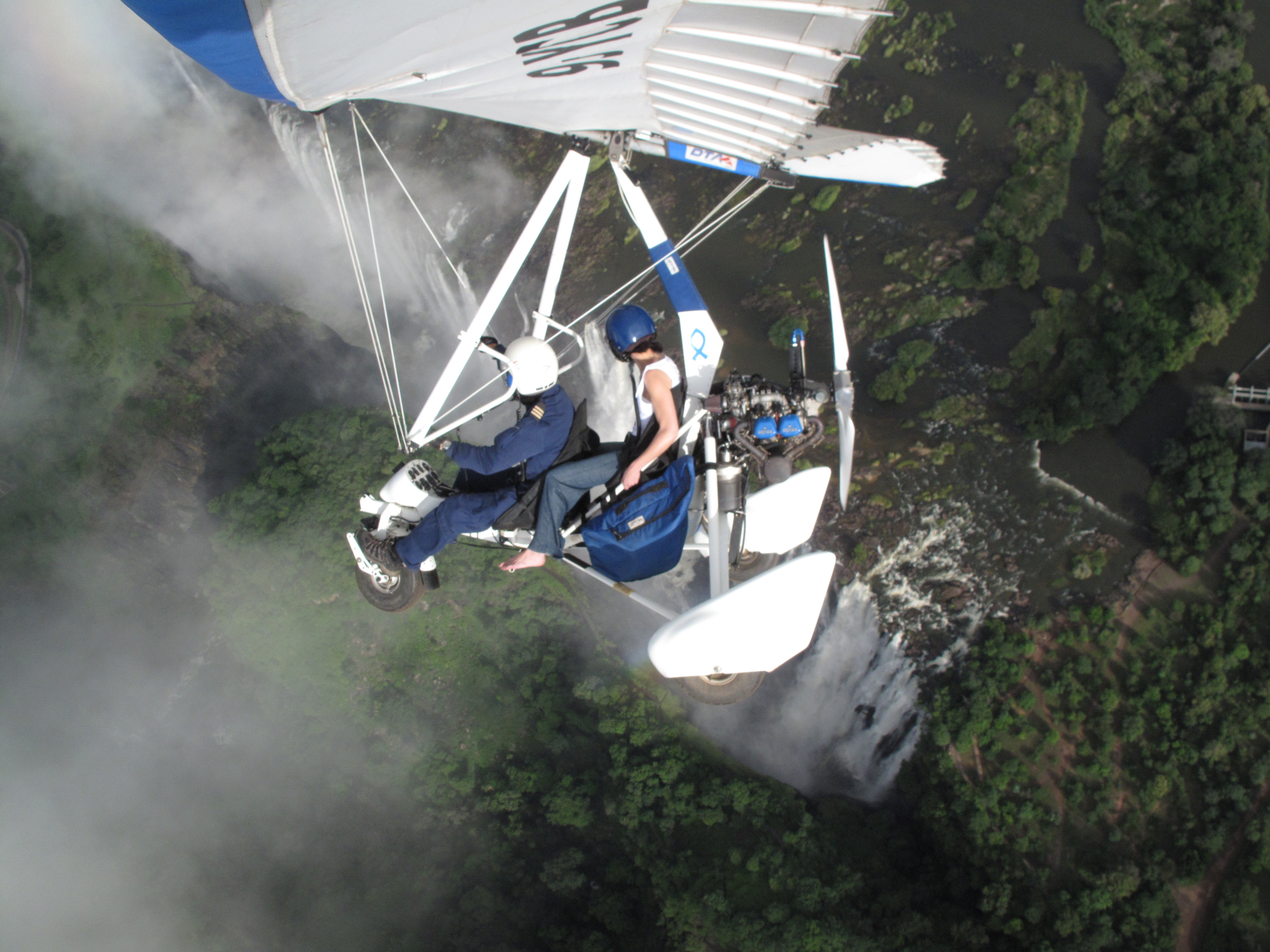
But I do believe in forcing myself to do everything that terrifies me.


Susegad

Horror Vacui
The fear of the empty space, most times understood as “ridiculous to the excess”.
Fantasy, abandoned by reason, produces impossible monsters; united with it, she is the mother of the arts and the origin of marvels. Francisco Goya

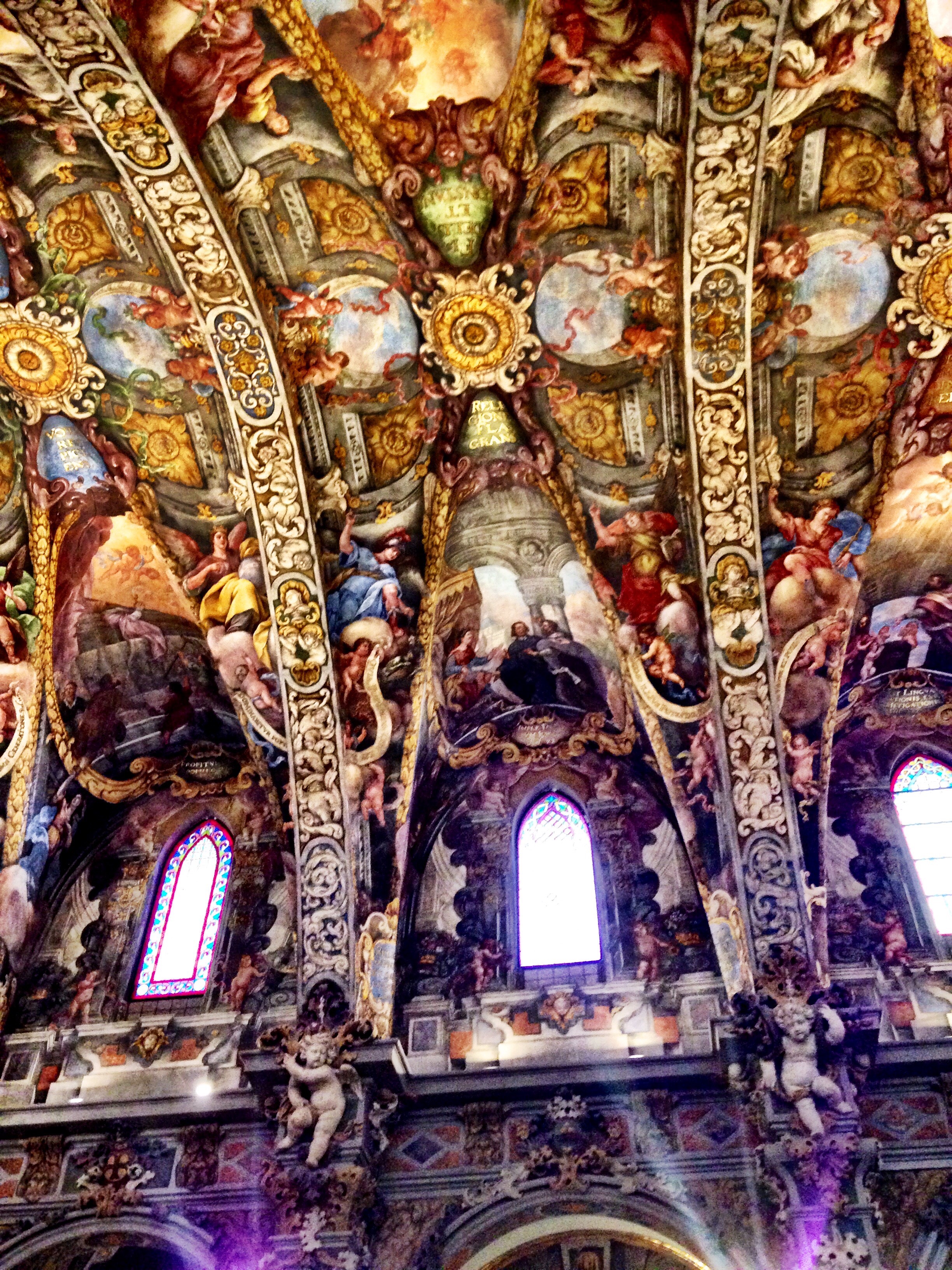
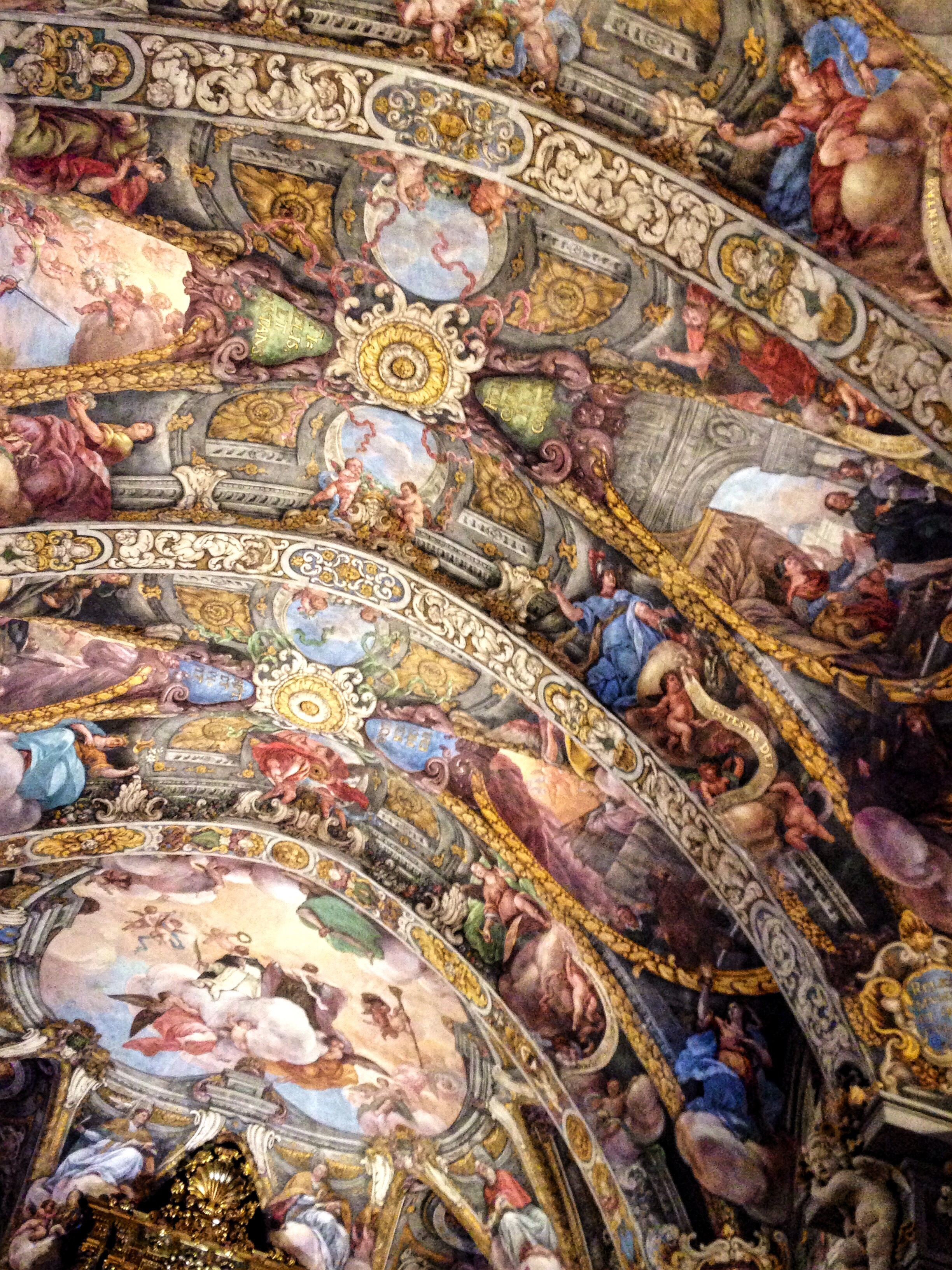
Historically understood as an expression of Catholic Anti-Reformation propaganda, Baroque art is normally understood as lacking the reason and discipline associated with neoclassicism and the sophistication of more refined mannerism styles. In the 17th century, Baroque emerges in Europe as an extravagant, impetuous reaction against religious wars, the Reformation and the Counter Reformation, The 30 Years War, economic crisis and other ills and plagues form its historical backdrop. Going beyond the balanced and orderly representation of the world, it is an aesthetic of distortion, deception, complexity, and over-elaboration: the novel inside the novel (Don Quijote [1605 and 1615]), theater inside the theater (Hamlet [c1601]), the painting inside the painting (Velázquez’s Las Meninas [1656] ), mirrors inside mirrors, etc. An emotional response to emptiness and disenchantement.

Leonardo da Vinci’s simplicity as the ultimate sophistication has become the norm in a society overwhelmed my the amount of visual information and material possessions that seem to clutter our minds and dominate our living spaces The claustrophobic in me has tried often times to convert to the minimalist / sophisticated imperative with no success. The maximalist in me can’t resist the emotional drama, radical spirit and aesthetic vertigo of the horror vacui.

Photos (mine) San Nicolás Church in Valencia, Spain, A Gothic structure invaded by Baroque extravaganza.
References
Leaving Denver
who journeyed to Denver, who died in Denver, who came back to Denver & waited in vain, who watched over Denver & brooded and loned in Denver and finally went away to find out the Time, & now Denver is lonesome for her heroes,
Allen Ginsberg, Howl and Other Poems
Apache Junction
Sometimes you don’t need to go anywhere to travel
One of the most fascinating things about selling online is imagining the places where the people that have bought my clothes live and what kind of story is the one they are writing for themselves. I do not stalk my clients and actually have no idea of who they are apart from their name and address. In my mind what could or should be a simple commercial transaction, it’s like making a new friend. After all, someone is going to receive a little paragraph of my personal story.
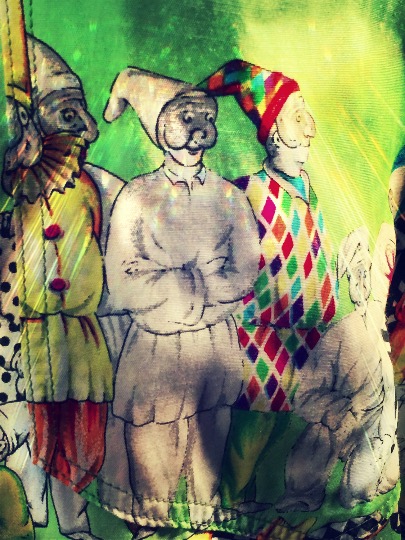
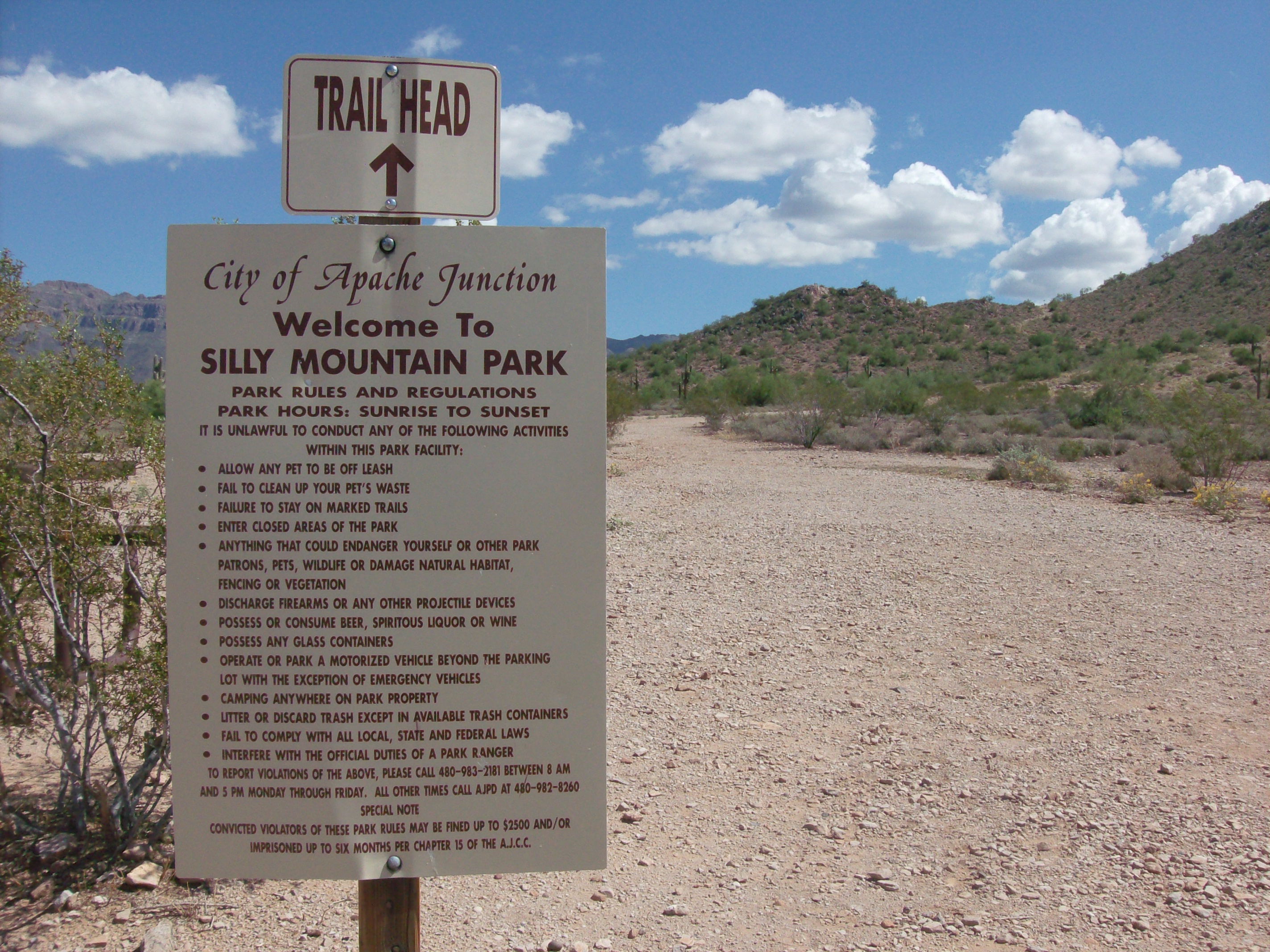
Last week I sold my Versace Jeans “commedia dell’arte” shirt, it was part of my loud, take it all in, coming of age in the 1990s. It should, by now, have arrived in Apache Junction, Arizona. A full week of obsessing about this new wonderful name, of trying to picture what it must be like to live in this geometric promise in the shape of a city nested at the base of a Mountain called Superstition. For someone living in a small country, in a city where houses seem to support each other so they don’t collapse, the allure of the vast and harsh American West exerts all kinds of dreams of freedom by the way of shedding all constraints of a somewhat constrained life in a place that sometimes feels like a small box rather than a city.
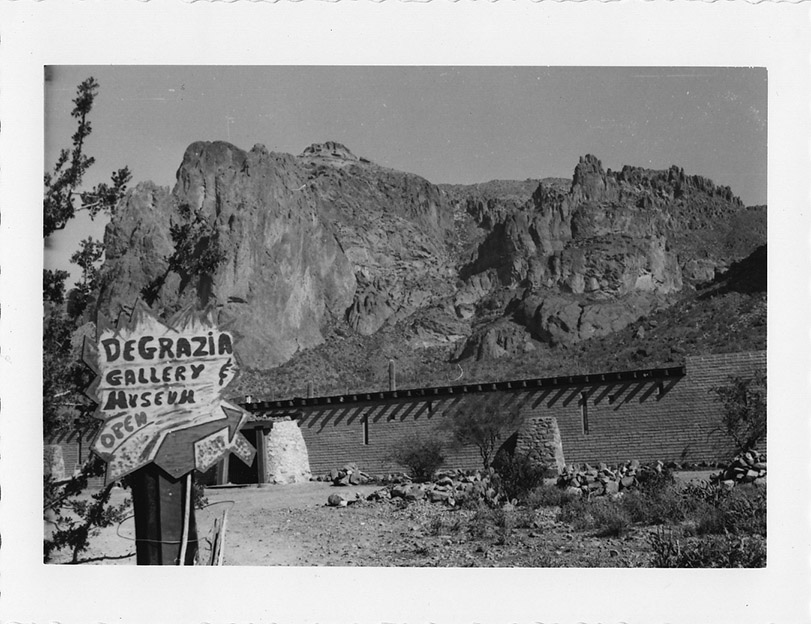
The simple act of wrapping a shirt, getting it ready to be posted has triggered all these images of free space where the sky is as close to you as the ground beneath your feet, it has made me imagine what it would be like to drive down Superstition Boulevard and end up somehow at the Barleens Arizona Opry. My commedia dell’arte shirt is having a new life on a stage that in my mid is as grand and dramatic as it deserves.
I told this story to a friend and she said that it must a be sign of where I need to go next…
Photos:
1- Elvis memorial chapel

2- shirt detail: mine
3- Superstition Mtn. (public domain) 1970s
DeGrazia Foundation, Reggie Russell, Buehman, Dick Frontain, Thomas Galvin
4- Welcome to Silly park by Xnatedawgx
https://creativecommons.org/licenses/by-sa/3.0/
Travel souvenirs
When I was a kid I wanted to be an archeologist. Because of this I spent hours improvising excavation sites with sofa cushions in my father’s office and fantasizing about going to Egypt, while my apparent natural vocation was nurtured by history books I was not old enough to understand. I did not become some sort of post modern female Indiana Jones (Lara Croft had not been created) but finally made it to Egypt for work (totally unrelated to my childhood fantasies) in 2008.
I was in Alexandria for a conference for four days feeling as excited as the kid who had fantasies of breakthrough discoveries that would forever alter the understanding of history. I did discover a common history and felt small, humbled, ecstatic and privileged for having the opportunity to walk to the Bibliotheca Alexandrina every day, to wander inside, to imagine how the Ancient Library of Alexandria might have looked, to stare in awe at full reading rooms and the bookcases still longing to be filled.
Apart form a small bronze Egyptian cat statue, this was my only souvenir, I don’t even know what happened to the photos I took (I do tend to loose digital photos) but when I found this caftan yesterday, I’ve realized I don’t actually need the photos, I can still feel the incessant wind and the warmth and the blue, I can still remember talking to three small kids who wanted to have friends in different parts of the world. Better than a photo and it sure beats a magnet.
Reintroduction
Last time I was in Johannesburg I met Rosemary at her vintage shop in Melville. I remember thinking that hers was the life I would have wanted for myself in the way we think of the lives of those who seem to be bigger than their own context. This very special Lady also made me feel like a “movie star”, as special Ladies tend to, regardless of who you are. Because of my two visits toReminiscence that year, I finally managed to open my little virtual vintage corner on Etsy and I’ve called it dreaming of Melville. It was my attempt at taming my vintage closet and living that life.
Being somewhat of an academic almost by birth / education / unavoidability, the temptation to think about what an ever growing closet means in terms of personal history/identity was too strong and the Closet of Errors was born, keeping dreaming of Melville as the name of the collection representing my imagined life.
photo via SA Venues
Boarders

STYLE

Describe your personal style: I’ve watched way too many movies
 Stories from A Closet of Errors