when I remained true to myself and moved closer to becoming the person I aspire to be.
when I was able to connect to someone and was genuinely interested in what they had to say
And it would always be a summer day, suspended in timeless radiance—no beginning, no end. Just the feeling of endless warmth and light, a moment stretched into infinity.
Here, in this eternal instant, warmth becomes more than temperature—it is a sensation that permeates skin, memory, and imagination.
No clock measures these moments. No shadow hints at morning or evening. There is only this: pure, uninterrupted radiance. A day that is not a day, but a feeling—boundless, perfect, suspended between breath and memory, where time loses all meaning and only sensation remains.
On a perfect day at the perfect time, when those beautiful colors combine, I’ll be wide awake, I’ll be living free cause that perfect feeling is inside of me
Sonnet 30: When to the sessions of sweet silent thought BY WILLIAM SHAKESPEARE
When to the sessions of sweet silent thought I summon up remembrance of things past, I sigh the lack of many a thing I sought, And with old woes new wail my dear time’s waste: Then can I drown an eye, unus’d to flow, For precious friends hid in death’s dateless night, And weep afresh love’s long since cancell’d woe, And moan th’ expense of many a vanish’d sight; Then can I grieve at grievances foregone, And heavily from woe to woe tell o’er The sad account of fore-bemoaned moan, Which I new pay as if not paid before. But if the while I think on thee, dear friend, All losses are restor’d, and sorrows end.
In 1937, the Soviet Writers’ Union instructed its members to sign a manifesto supporting the death penalty for General Yona Yakir and Marshal Mikhail Tukhachevsky, who were accused of conspiracy. During the Union’s congress, when Pasternak refused to sign this manifesto, everyone thought he would be arrested. When he stood up to speak at the congress, he only said “30” and 2,000 people stood up and recited Sonnet 30. This story is told by George Steiner here, because knowing a poem by heart is a form of resistance (like in Fahrenheit 451). During the years when Mandelstam was imprisoned (he died during this time), his wife, Nadezhda, memorized and taught others everything he had written so that after Stalin’s death, she could finally publish it.
Nadezhda (Надежда) is the Slavic and original form of my name. It means “hope.”
This is a powerful story about literary resistance in the Soviet era. The name Nadezhda is particularly meaningful in this context – the concept of hope was especially significant during the dark periods of Soviet repression. Nadezhda Mandelstam’s act of preserving her husband’s poetry through memorization became one of the most famous examples of maintaining cultural memory under totalitarianism. Her memoir “Hope Against Hope” is considered one of the most important accounts of life during the Stalinist period.
Nadezhda (Надежда) holds deep cultural and spiritual significance in Slavic culture, particularly in Russian tradition. Let me elaborate:
In religious context, Nadezhda is one of the three theological virtues celebrated in Orthodox Christianity, alongside Vera (Faith) and Lyubov (Love). This trinity is so important that there’s a feast day (September 30) celebrating Saint Sofia and her three daughters named after these virtues. The story of their martyrdom has made these names particularly meaningful in Orthodox Slavic culture.
The concept of hope (nadezhda) appears frequently in Russian literature and poetry. For example, in Pushkin’s works, hope is often portrayed as a light in darkness, reflecting the Russian cultural understanding of hope as a sustaining force during difficult times. This resonates deeply with how the name was embodied by Nadezhda Mandelstam.
In everyday Russian culture, the name is often shortened to Nadya (Надя), which maintains its warm, positive associations while being more informal. The name was particularly popular during the Soviet era, perhaps as a reflection of people’s need for hope during challenging times.
Interestingly, in Slavic naming traditions, names were often chosen for their protective or aspirational qualities. Giving a child the name Nadezhda was seen as bestowing them with the quality of hope itself, making them both a bearer and symbol of hope for their family and community.
There’s also a fascinating linguistic aspect: the word nadezhda is related to the Old Church Slavonic word “надѣяти” (nadeyati), meaning “to lay upon, to rely on.” This etymology suggests that hope in Slavic culture isn’t just about optimism for the future, but about having something solid to rely on – a more grounded, resilient kind of hope.
Or, quoting Nick Cave in Faith, Hope and Carnage, ‘Hope is optimism with a broken heart’.
Write about your first name: its meaning, significance, etymology, etc.
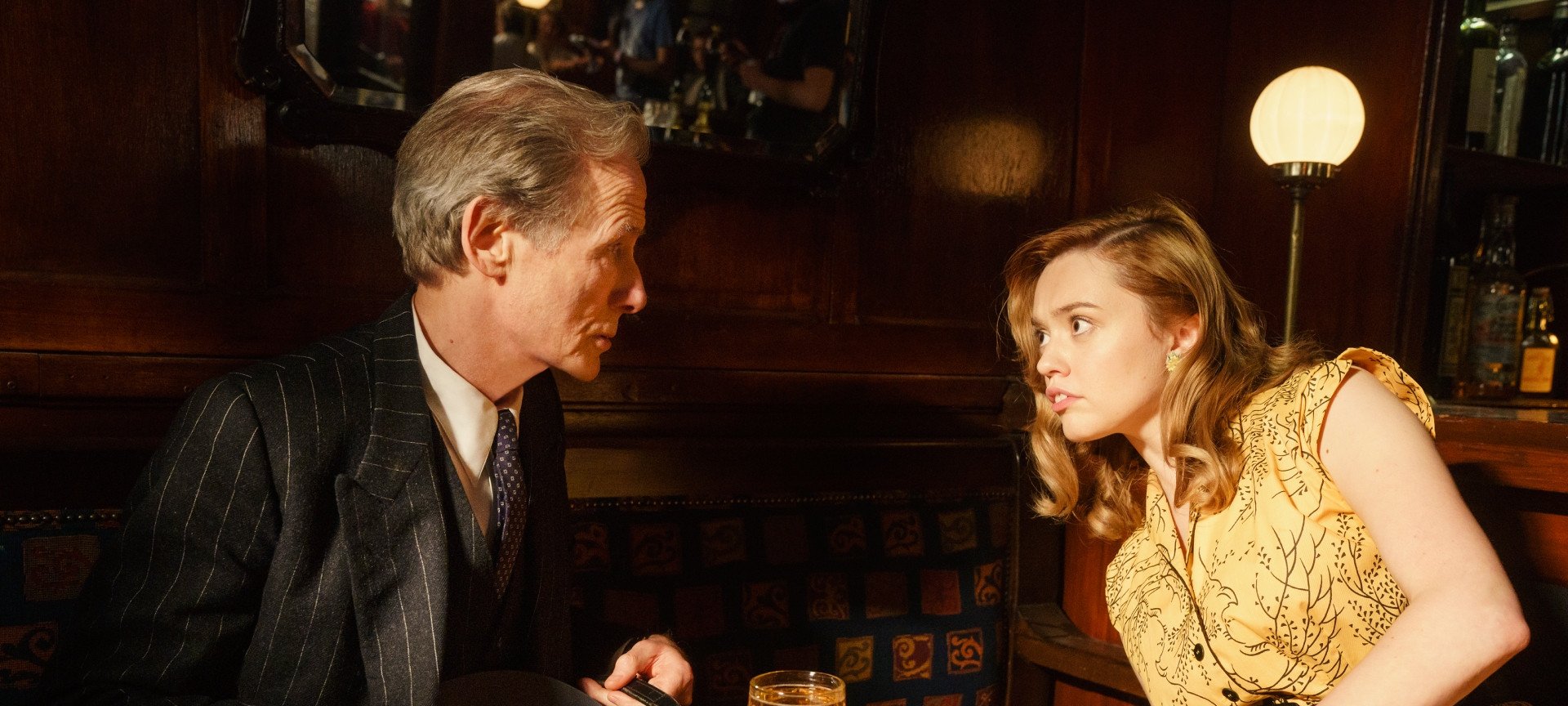
In Oliver Hermanus’s “Living” (2022), we witness a remarkable cultural translation that spans continents and decades. The film, starring Bill Nighy in a masterfully restrained performance, reimagines Akira Kurosawa’s 1952 masterpiece “Ikiru,” itself inspired by Leo Tolstoy’s “The Death of Ivan Ilyich.” This layered adaptation creates a fascinating meditation on bureaucracy, mortality, and the search for meaning in one’s life.
I watched this movie last Monday, January 6, and since I couldn’t come up with any New Year’s resolutions, I figured I’d use this movie as a bit of a wake-up call during that time of year when SAD usually kicks in, leaving me feeling as bare as a dormant tree. It will serve as a reminder that there is more to life than killing time and adjusting your reactions to whatever is thrown at you.
The film transposes Kurosawa’s narrative from post-war Tokyo to 1950s London with remarkable precision. The setting shift illuminates fascinating parallels between Japanese and British societies – both deeply hierarchical, bound by tradition, and struggling with the weight of their own formalities. Where Kurosawa’s film depicted Japanese bureaucracy through the lens of post-war reconstruction, Hermanus explores British civil service during the dawn of the welfare state.
The film’s portrayal of working life in 1950s London is meticulously crafted. The film’s opening credits sequence serves as a masterful visual overture to its themes of conformity and class structure. Shot from above, we witness a mesmerizing choreography of dark-suited men crossing London Bridge, their bowler hats creating a hypnotic pattern of black circles moving in mechanical precision. This aerial view transforms individual civil servants into an abstract pattern – a visual metaphor for the system’s absorption of individual identity.
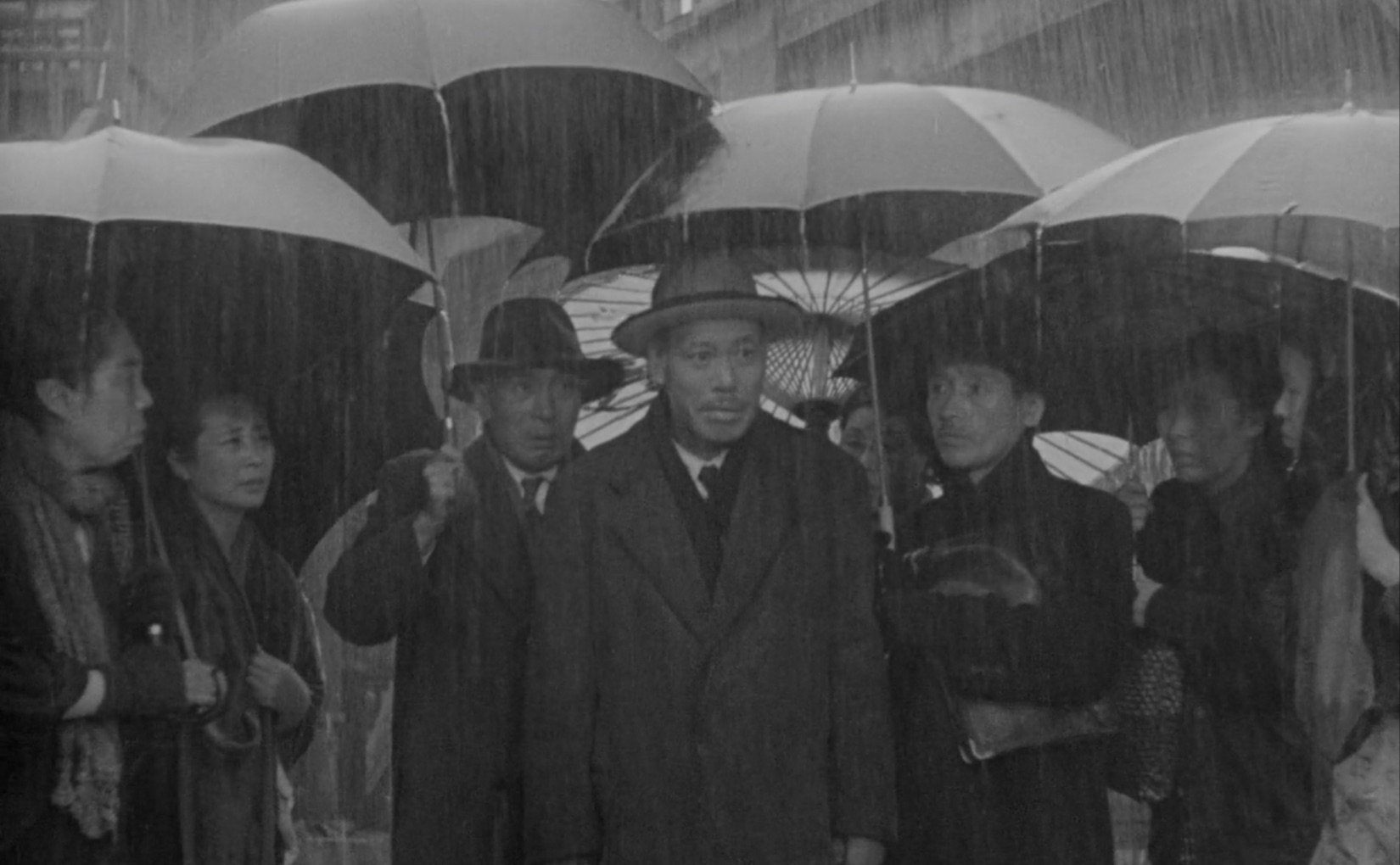
The sequence pays homage to the famous “Umbrella Scene” in Kurosawa’s “Ikiru,” but recontextualizes it for 1950s London. Where Kurosawa used umbrellas to suggest the anonymity of bureaucratic life, Hermanus employs the bowler hat – a quintessentially British symbol of middle-class respectability. The camera’s careful composition turns these hats into a kind of musical notation, with the men’s movements creating a visual rhythm that echoes the mechanical nature of their working lives.
The credits themselves, appearing in a clean, period-appropriate typeface, float above this sea of conformity. Their precise placement and timing work in concert with the movement below, creating a multi-layered opening that establishes both the film’s aesthetic restraint and its concern with systems and structures.
As the sequence progresses, we begin to distinguish Mr. Williams among the crowd – a feat that becomes significant only in retrospect, as we watch him gradually break free from this uniformity throughout the film. The way he emerges from this abstract pattern of hats and suits foreshadows his journey from anonymity to individuality.
The Public Works department where Mr. Williams (Nighy) serves as a senior civil servant becomes a microcosm of British society. The carefully arranged desks, the ritualistic shuffling of papers, and the precise adherence to tea times all speak to a system where order masks stagnation.
Costume designer Sandy Powell crafts a visual hierarchy that speaks volumes about social status and personal transformation. The film opens with a sea of identical bowler hats and dark suits flooding London Bridge – a powerful image of conformity within the civil service. Mr. Williams’s bowler hat serves as a symbol of his position and the rigid system he inhabits. When illness forces him to leave it behind, its absence marks the beginning of his transformation.
The subsequent adoption of a Borsalino hat represents more than a mere change in headwear. The Italian-made fedora, with its softer lines and continental associations, symbolizes Mr. Williams’s gradual liberation from the constraints of his former life. This subtle costume change speaks to a broader rebellion against the suffocating propriety of British bureaucracy.
The precision in costume extends beyond headwear. The gradual loosening of Mr. Williams’s tie, the eventual unbuttoning of his collar, and even the slight dishevelment of his usually impeccable suit all chart his journey from rigid conformity to a more authentic existence. These changes are particularly striking against the unchanged appearance of his colleagues, who remain locked in their sartorial prison.
Wearing Existence: Costume as Existential Metaphor
The costume design in both “Ikiru” and “Living” serves as a powerful visual metaphor for the existential journey that Tolstoy first explored in “The Death of Ivan Ilyich.” Each film uses clothing to express both the weight of social conformity and the gradual awakening to authentic existence, though they do so through distinctly different cultural vocabularies.
The Uniform of Non-Existence
In both films, the protagonists’ initial costumes represent what Tolstoy called a life lived “most ordinarily” – a form of spiritual death disguised as propriety:
– Watanabe’s dark suits and hat in “Ikiru” reflect the standardization of post-war Japanese bureaucracy, where Western business attire represented both modernization and loss of traditional identity
– Mr. Williams’s bowler hat and precisely tailored suit in “Living” embody the British civil service’s rigid hierarchy and emotional suppression
These initial costumes serve as armor against life itself, much as Ivan Ilyich’s dedication to propriety served as a shield against authentic experience.
The Gradual Undressing of the Soul
Both films use subtle changes in costume to chart their protagonists’ awakening:
In “Ikiru”:
– Watanabe’s gradual dishevelment mirrors his breaking free from social constraints
– His hat, initially perfectly positioned, begins to sit askew
– The loosening of his tie reflects his loosening grip on social conventions
– His final appearance in the swing scene, where his clothing moves freely in the snow, suggests a return to childlike authenticity
In “Living”:
– The loss of the bowler hat marks the first crack in Mr. Williams’s facade
– The Borsalino hat represents not just rebellion but a conscious choice of a new identity
– The subtle relaxing of his suit’s precision mirrors his internal liberation
– His final outfit maintains dignity while suggesting comfort in his own skin
The way each film handles this sartorial journey reflects deep cultural differences:
– Watanabe’s transformation involves a more complete dishevelment, reflecting Japanese culture’s understanding of liberation as a form of surrender
– Mr. Williams’s changes are more subtle, suggesting the British capacity for rebellion within conformity
– Both contrast with Tolstoy’s Ivan Ilyich, whose physical deterioration serves as the primary metaphor for his spiritual transformation
Class, Clothing, and Authenticity
Each film uses costume to explore how class structures inhibit authentic existence:
In “Ikiru”:
– The contrast between bureaucrats’ Western suits and the working-class traditional clothing
– The young office girl’s modern dress representing post-war freedom
– Watanabe’s final dishevelment as a rejection of class-based propriety
In “Living”:
– The precise gradations of suit quality marking civil service ranks
– The young woman’s colorful clothing suggesting life outside the system
– Mr. Williams’s Borsalino as a subtle sign of continental sophistication challenging British class rigidity
The Final Garment
Both films end with powerful costume statements:
– Watanabe dies in his loosened, snow-covered clothing, suggesting a final liberation from social constraints
– Mr. Williams’s final appearance shows him in his modified uniform – the Borsalino replacing the bowler – indicating that true liberation can occur within, rather than in rejection of, one’s social role
These costume choices echo Tolstoy’s message that awareness of death can lead to authentic life, but they do so through carefully chosen cultural idioms. The Japanese dishevelment and the British modified propriety represent different paths to the same truth: that genuine existence requires shedding, or at least transforming, the uniforms society demands we wear.
Beyond the Physical
In all three works, clothing serves as a metaphor for what Tolstoy called the “fictional life” – the life lived according to external expectations rather than internal truth. Both films use costume design to visualize what Tolstoy could only describe: the gradual awakening from this fiction to authenticity.
The genius of both adaptations lies in recognizing that this universal journey must be expressed through particular cultural languages of dress and deportment. In doing so, they make Tolstoy’s abstract existential concerns tangible and immediate, showing how the great questions of existence play out in the minute details of how we present ourselves to the world.
The Existential Thread: From Tolstoy to Kurosawa to Hermanus
At the heart of “The Death of Ivan Ilyich,” Tolstoy poses a devastating question: “What if my whole life has been wrong?” This existential inquiry echoes through both “Ikiru” and “Living,” each adaptation finding its own cultural language to explore this universal concern. The visual grammar of both films serves this central question, though they approach it through distinctly different cultural prisms.
Tolstoy’s novella examined this question through the lens of 19th-century Russian society, where Orthodox Christianity and aristocratic values shaped the understanding of a “proper life.” Kurosawa translated this inquiry into post-war Japanese society, where questions of purpose became particularly acute amid reconstruction and changing values. Hermanus relocates it to 1950s Britain, where class structures and emotional restraint created their own form of spiritual imprisonment.
In each iteration, the protagonist’s awakening to life’s true meaning is preceded by a recognition of social performance. Ivan Ilyich realizes his life has been lived “most simply and most ordinarily and therefore most terribly.” Kurosawa’s Watanabe finds that his decades of stamping papers have produced nothing of value. Mr. Williams discovers that his perfect embodiment of civil service propriety has been a form of living death.
Visual Languages of Awakening
Where Tolstoy used precise prose to dissect his protagonist’s spiritual crisis, both films employ careful visual strategies to externalize this internal journey:
– Kurosawa uses stark contrast and dramatic weather to reflect Watanabe’s emotional states, with snow and rain serving as powerful metaphors for cleansing and renewal.
– Hermanus employs the gradual softening of visual rigidity – from the geometric patterns of bowler hats to the free-flowing movement of children in the playground – to show Mr. Williams’s liberation from social constraints.
Both films share a crucial understanding: that the answer to Tolstoy’s terrible question lies not in grand gestures but in small, meaningful actions. Watanabe’s playground and Mr. Williams’s park represent more than public works projects – they are physical manifestations of their creators’ breakthrough to authentic living.
The Weight of Time
All three works deal poignantly with time’s passage:
– Tolstoy’s Ivan Ilyich realizes too late that his life has been misspent
– Kurosawa’s Watanabe races against time to complete his playground
– Mr. Williams’s measured transformation suggests that even a brief period of authentic living can redeem a lifetime of conformity
Cultural Translations of Truth
What makes both film adaptations remarkable is how they maintain Tolstoy’s essential truth while speaking through their own cultural idioms:
– Kurosawa expresses it through the lens of giri (duty) transformed into meaningful action
– Hermanus finds it in the British capacity for quiet revolution within seemingly rigid structures
Legacy and Memory
Each work concludes by examining how others remember the protagonist:
– Tolstoy’s mourners are primarily concerned with promotion opportunities
– Kurosawa’s bureaucrats briefly celebrate Watanabe before returning to their old ways
– Hermanus’s colleagues maintain their reserve, but with a new understanding glimpsed through their constrained emotions
Yet in all three versions, there’s a small group who truly understand the transformation they witnessed. This understanding becomes a kind of torch, passed from Tolstoy’s pages through Kurosawa’s lens to Hermanus’s camera – the possibility that one life, properly lived even for a short time, can illuminate the way for others.
In the end, “Living” accomplishes something remarkable: it takes Tolstoy’s existential question and Kurosawa’s humanist answer and filters them through the precise visual language of British society, creating something both culturally specific and universally resonant. Through its careful attention to visual detail – from the geometric patterns of bowler hats to the free movement of the final scenes – it shows how the great questions of existence can be explored through the smallest details of human behavior and social custom.
The film reminds us that the search for meaning, while universal, is always experienced through the particular – through specific hats and suits, through precise ways of moving through space, through culturally determined ways of showing or hiding emotion. In doing so, it achieves what great art should: it makes the universal deeply personal, and the personal universally understood, making you question (again) what is after all the purpose of living.
Standing at fearful attention, we’re grateful to fear, which keeps us from going mad. Decision and courage are bad for our health; life without living is safer.
Adventurers whose adventures are history, standing in fear we struggle against ironic ghosts in our ongoing quest for what we never were and won’t be.
Standing in fear with no voice of our own, our heart ground up by our teeth, we are the madmen, we’re our own ghosts.
A flock of sheep pursued by fear, we live so together and so alone that life’s meaning has disappeared.
Alexandre O’Neill (1962) , Translation: 1997, Richard Zenith
Perfilados de medo, agradecemos o medo que nos salva da loucura. Decisão e coragem valem menos e a vida sem viver é mais segura.
Aventureiros já sem aventura, perfilados de medo combatemos irónicos fantasmas à procura do que fomos, do que não seremos.
Perfilados de medo, sem mais voz, o coração nos dentes oprimido, os loucos, os fantasmas somos nós.
Rebanho pelo medo perseguido, já vivemos tão juntos e tão sós que da vida perdemos o sentido . . .
131 days ago life took a weird, sharp turn after a few months of my driving it erratically in and out of course. Because I am prone to think of my life as a movie or perhaps as a series of pilot episodes in shows that never get aired, I failed to realize that maybe real life was happening. And I have a problem with this. My mind anticipates all kinds of scenarios, dramatic dialogues and plot twists, failing to see what’s right in front of me, failing to hear Caetano‘s warning that life is after all real and skewed. I insist on other melodies, I insist on not getting tired of hoping that one day I will get to be everything.
My homeless heart Wants to keep the world In me
131 days ago we coincided in space and time; he told me I was making him travel, I didn’t realize he was making me come home. For once, life was not about being the rebel in a made up cause, it was not about coming up with the perfect character for the occasion, it was not about trying to be perfect, it was not about packing and going somewhere trying to find whatever is needed at the moment to feel more alive. It was about staying. I didn’t know that to stay took a special kind of courage. I have spent well over seven thousand days of my adult life being adventurously brave, going everywhere, doing everything, preferably on my own. Along the way I collected all the clichés of falling madly, deeply and foolishly in love, of getting married and divorced, of hurting and getting hurt and feeling that I have committed the worse sin my twelve years of Catholic, yet somewhat liberal, education helped me identify, I have wasted my time and have, of course, ended up being wasted by it. Staying, in the same way as getting older, is not for the faint of heart. Staying means you have to face life as it is not as you think it was meant to be.
131 days ago I begun to understand what years of fictional manipulation have done to me, how they have created the most unrealistic expectations and contributed to an almost complete emotional disarrangement. In the midst of my inability to deal with what was happening, I have read these wise words:
Your deepest beliefs about seduction were carefully crafted by high-capitalist strategists. Lust and fantasy are opiates of the masses, easily manipulated into shapes that human animals fall for, over and over again.
I have never really taken advice columns very seriously, probably because I tend to be a bit of a snob, but every single word Heather Havrilesky poured into her column of February 28, struck a chord and I understood that yes, it was really about surrendering to reality with no futile embellishments. And still, 131 days were not enough to learn that the assumptions one makes about one self and others are also created by all the nonsense around you and that they are not real. For 131 days I have promised myself, almost everyday, that I was not going to fall in that trap, I was going to let life get real because it might not be the most glamorous or exciting place to be but you have at least a chance of not seeing life disappear without getting to live it. But, self-sabotage is a powerful force, “a way of avoiding that moment of showing up, of facing potential loss, of being strong enough and courageous enough to surrender to the unknown — but also, to surrender to the goodness of ordinary human beings.” 131 days ago, getting hurt living my fictional life was easy enough to deal with because fictional feelings tend to be overtly dramatic but shallow.
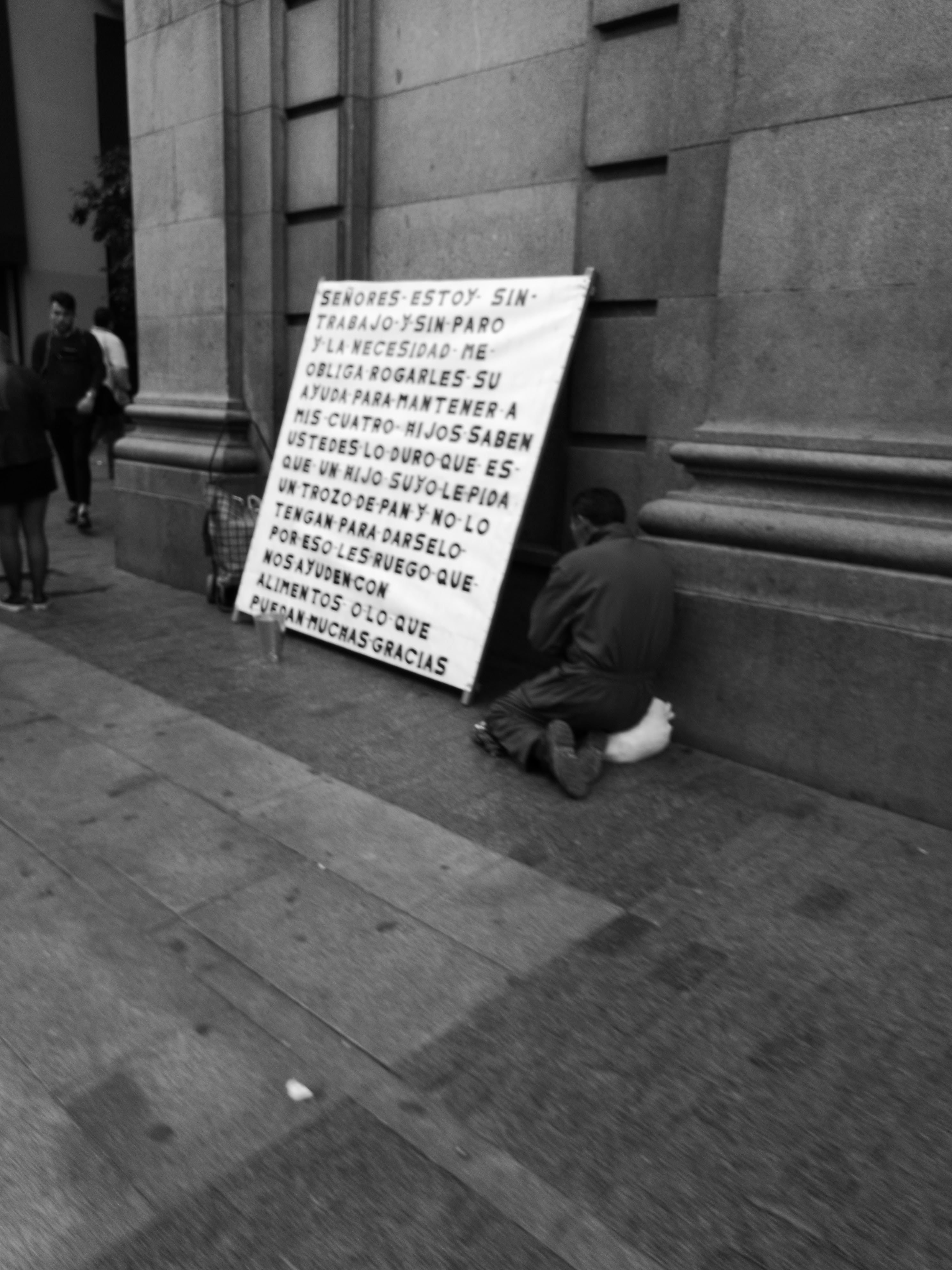
This is not a good photo. I couldn’t get out of the car and attempt a proper photo, the letter box stands right by a traffic light and words on walls and urban equipments tend to vanish quickly, so you get them when you spot them.
Pause and reflect on the [your / mine] path
That’s how it reads to me. That’s what’s lacking, the time to stop and try to see the direction.
even though I feel at home in most places I travel to, even though I can’t wait to leave, even though it now looks mostly as a theme park, I sometimes can’t help but feel that Porto belongs to me because I belong to it.
Remembrance of things past is not necessarily the remembrance of things as they were
I have spent the last couple of weeks trying to account for every month of 2017. I needed to go through all the photos in my phone to be able to do this. It seems that without them it would not have been possible for me to recall what I have lived. 2017 was not an easy year for me and for those around me. I broke someone’s heart and got badly bruised by someone else. Some sort of cosmic retribution I would say, if I was inclined to believe in a such thing.
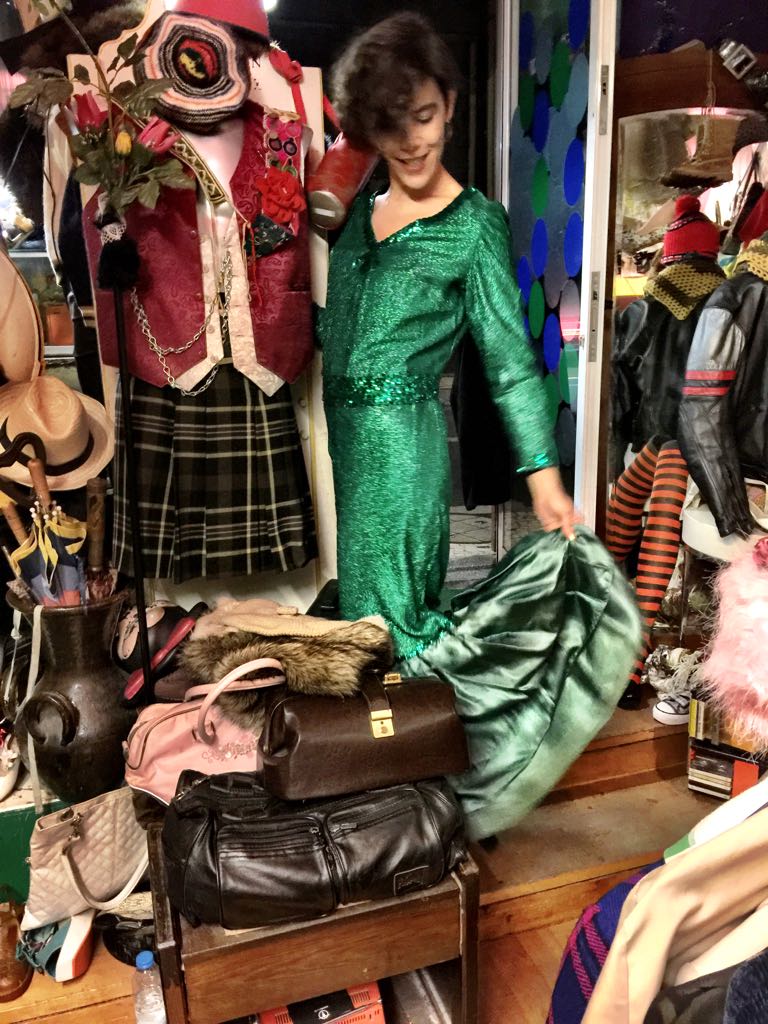
I don’t remember much happening in January 2017. I remember that I did not celebrate New Years, I went to bed before midnight. For the past eleven years I lived with someone who did not “believe in that sort of thing” and accommodated. I do believe in starting over, either on January 1st or whenever there is a need to do so. The best of January 2017 was hoping for something better to come along during the rest of the eleven months ahead. Daydreaming has always seemed to me another form of making plans. I did play dress up at Fatima‘s which seems to be my favourite form of therapy and was happy to find my Mozambique travel diary.
Why, what’s the matter, That you have such a February face, So full of frost, of storm and cloudiness?
I particularly dislike the first three months of every year. They are normally cold and grey and wet and February does feel like paradoxically long most of the times, but this one I actually remember it as being a happy month, celebrating Futurism and Almada in the voice of talented friends and art exhibitions, going back to Fatima’s for a somewhat surreal fashion shoot, having my hair cut and feeling incredibly cool and authentic as a tomboy, getting on stage for Flamenco tangos and fandangos and being busy with costumes and make up backstage.
March was also surprisingly good: Filipe Catto doing Variações, finding the life of strangers inside second-hand books, commuting in Lisbon with people that have no end, as Almada would say, those are the best people; seeing friends’ dreams come to life, Anna Karenina remixed at TNSJ (How she dies) and finally gaining momentum to read it all, page after page, without spiking details, Olivier Saillard‘s manifesto, waiting around for friends who are always late, going back in time, Macbeth’s open rehearsal and being reminded of the absolute privilege of hearing António M. Feijó
April came and it was not the cruelest month. Going away, enjoying bad habits at cool smokers lounges, arriving in Sarajevo, the sun, the snow, the coffee, new Friends, their stories, the history, the drive to Mostar, long conversations on everything and nothing, swan lake reloaded, the beauty, hanging out over drinks and photos and dance, “come what sorrow can it cannot countervail the exchange of joy”. Sarajevo might not have changed my life but has changed something inside me forever in the way I am able to relate and feel immense love for other people and to the moments we shared. Realizing I live somewhere in musical schizophrenia, absolutely loving two of the best concerts of the year between Heavy Metal and Fado, and that this actually helps. Every day.
May walked backwards: going back to the roots that sometimes still clutch, being back in Siena in great company, getting lost in museums, being silly enough to play La Niña de Fuego, going back to the music that once made sense
June chasing angels and finding them: Loft living in DTLA, getting an education at Los Feliz, unexpected gifts, falling in love with a bookstore, the kind and dapper gentlemen at Clifton’s, old school partying, the Los Angeles Athletic Club, being back at the MOCA, stars that never fade, hanging out with some of the coolest Ladies I know, feeling in heaven at the Way we Wore, feeling at home at LACMA, “The city is named for the angels, And its angels are easy to find”, on Beauty and Consolation, Shakespeare, being called Hope and the freedom of learning by heart, feeling at peace in Porto, clowning around on stage.
When to the sessions of sweet silent thought
I summon up remembrance of things past,
I sigh the lack of many a thing I sought,
And with old woes new wail my dear time’s waste:
Then can I drown an eye, unus’d to flow,
For precious friends hid in death’s dateless night,
And weep afresh love’s long since cancell’d woe,
And moan th’ expense of many a vanish’d sight;
Then can I grieve at grievances foregone,
And heavily from woe to woe tell o’er
The sad account of fore-bemoaned moan,
Which I new pay as if not paid before.
But if the while I think on thee, dear friend,
All losses are restor’d, and sorrows end.
July “I believe I read most of it with my eyes shut” Spring’s Awakening, Summer sunsets, flamingo shoes, walking on sunshine, flirting with writing machines and getting no answers, seeing the fog clear; “life is a matter of taste”.
August getting older and none the wiser: Chance encounters have consequences too, birthday surprises, finally returning to Mérida and making it to the classical theater festival, between a rock and a hard place, checking works of art walk by, music does save your mortal soul (writing letters might not). Fátima moved to Braga and I almost did as well.
September “Music melts all the separate parts of our bodies together.” Going kitsch, Being hugged by strangers, getting closer, Rosalía e Raül Refree at Theatro Circo, Revisiting Viana and more talented friends, realizing that nothing lives there anymore, Lisbon stories por buleria, reconnecting with Luis after having met in Boston, Still writing letters (with a pen), Jazz with a view, bumping into Lola Lola, Book fairs and pulp fictions, Being somewhat afraid of Virginia Woolf, meta coincidences, Being teletransported to The Zap via Ian’s syndrome, Revisiting Mr. Vertigo’s last (together) space, Being disarmed by words, bedtime stories and playlists feeling like goodnight kisses, Between lived words and word games, Street poets on the verge of insanity. Facing the truth and having it added to my pillow book.
I wasted time, and now doth time waste me
October “There is nothing in the dark that isn’t there when the lights are on.” A road trip through a black hole, Spiraling into someone else’s talent, Seeing George and Martha come to life, The apparent insight and kindness of strangers, Getting it wrong, learning where not to go, learning to let go, forgetting the door was open and letting chance walk right in (again), the Safety of favourite places and favourite people, Walls quoting Sartre, Lisbon stories, Healing noises, Wonder walks, wonder walls and the best guide in town, Black cats and English eccentrics, Bad concerts with cool friends, Reaching Point Omega, Making peace with Virginia Woolf through Orlando, “To put it in a nutshell, he was afflicted with a love of literature. It was the fatal nature of this disease to substitute a phantom for reality.” I have fallen in love with words. The ones I wanted to read, the one’s the poet on the other side knew were the right ones.
November “O bom é ser inteligente e não entender. É uma benção estranha, como ter loucura sem ser doida.” (The good thing is to be intelligent and not to understand. It’s a strange blessing, like having madness without being crazy.) In love with Josef Isräels‘ Mijmering, Stendhal syndrome episodes, Daydreaming and insomnia, Fictional love affairs through jet lag induced illusions – such is the power of words: they make you see things that aren’t there. Teenaging in Yichang, getting to know Frida who met at me at the airport wanting to know if my name really meant hope, hanging out with Cathy, Being a lucky charm, Getting Lost in translation and still feeling better than Charlotte, Tai Chi classes on airplanes, the sunset in Xangai and the sunrise in Amsterdam, Dark Porto, Lisbon stories on disappointment and being a spoiled brat, Life according to George Costanza, Flying solo, Getting it (so incredibly) wrong and trying to take the high road, Lisbon stories – the cold shoulder episode, saved by the happiness of strangers and a wise beyond her years long distance friend, Chasing walls, 3 a.m. dinners and the warmth of platonic love, Boots, Songs about boots, Good concerts with the same cool friends and some more, Drafting fictional memories, “For once the disease of reading has laid upon the system it weakens so that it falls an easy prey to that other scourge which dwells in the ink pot and festers in the quill. The wretch takes to writing. ” Flying high and falling hard: Considering emotional exile, Soap bubbles as reality filter
December “São tudo fantasias que o cinema projectou no meu olhar” (They are all fantasies that the cinema projected in my gaze): Letting someone else’s clothes and music do the talking; Being called a pearl farmer and realizing that every once in a while casting pearls to swine is no big deal; I’ll still have plenty left. The circus, moments of pure joy, remembering my Grandparents, because they were the ones who used to take me when I was a kid, Sharing heartbreak stories during the storm with a name, pretending to be Mia Wallace and then dreaming of being Vivian Rutledge, better yet, Florence Carala (there was enough mist for that), If only I was Jackie Demaistre, Facing lost possibilities, Befriending misfits while drinking coffee and talking for an hour at gas stations, Going back to the classroom and considering that I might actually enjoy teaching, Midnight strolls during Sagittarius birthdays, Playing diva with the Diva, Holly Golightly gifts for breakfast, Christmas Day at the movies, making up gangster stories at Turkish restaurants, Bumping into Pedro from school and being 9 again, ivory colored letters in real envelopes with real stamps, feeling connected while trying to disconnect, Synthesizer freaks, being Alice but not in the city, time lapsing, picking up where we left off, So many ways to be (“no olvides que solo eres real cuando tocas y te tocan“), the Clear Insight, Incredible Patience, Undivided Attention and Unconditional Love of old Friends. Braga doing more for my sanity this year than any shrink could have ever done. “And the rest is rust and stardust.”
I can only note that the past is beautiful because one never realises an emotion at the time. It expands later, and thus we don’t have complete emotions about the present, only about the past
I think this is the first time I try to write some kind of “memory”. I am not very good at describing events, everything that has happened seems to have only a translation in how places, books, movies, plays, poems, music, little details, events, actions and the words of others have made me feel. And, in 2017, most of them have hurt me deeply. This year, I celebrated New Year, for two whole days. On December 30 I went to a punk rock show and decided not to move away from the mosh pit as some sort of “shock therapy” and it felt good. I spent New Years Eve with my best friend and his family and even though we had not thought of going out, we did and danced the night away until morning. And all this might not solve anything, but just giving myself away to music makes me feel both hugged by the world and ready to restart.
The appeal of inebriating oneself.
The appeal of the dance and of the shout,
the appeal of the colorful ball,
the appeal of Kant and of poetry,
all of them . . . and none of them resolves things
Today (January 1st) I went back to the circus and felt like crying during Duo eMotion‘s act. Real life is never this perfect. Or beautiful. And then, sometimes it happens. I went for coffee at my favorite place in Porto and wished by favorite waiter a Happy New Year and he just called me my love and kissed me. These little details end up, in a way, making up for a lot of the mistakes and disappointments of the previous year.
Unspoken feelings are unforgettable
If you set them free by writing unnecessarily long posts they might just go away.
References:
Vladimir Nabokov, Marcel Proust, William Shakespeare, Clarice Lispector, Virginia Woolf Anais Nin, Samuel Beckett, Carlos Drummod de Andrade, Andre Tarkovsky, António Variações, The Twilight Zone












 Stories from A Closet of Errors