


Saturday morning at Museo del Traje, Madrid






I am a walking cliché, a woman obsessed with shoes. Last time I counted, I had (have) 248 pairs of sandals, stilettos, Chuck Taylors, biker boots, ballet flats, ankle boots, platforms, wedges, brogues, kitten heels, slingbacks,pumps, Doc Martens, dance shoes, cowboy boots, peep-toes, combat boots and Mary Janes. I do not own flat moccasins and espadrilles. I find them depressing.
Although this is not in any way comparable to the million dollar collections or to the “shoe estates” of the infamous former first lady or the famous romance novelist, I am aware that the sheer number alone is ridiculous. All the more so because I do not live in some kind of mansion with walk in closets and custom made shelves, I live in a two bedroom apartment with tiny built in closets.I do try and make the most of the generous space available under the bed and have transformed my pantry into a micro walk in closet for coats and shoe boxes.
“And her old Uncle William used to say a lady is known by
her shoes and her gloves.”
― Virginia Woolf, Mrs. Dalloway
I have no original explanation for my unoriginal love of shoes. I admire their sculptural.even architectural essence, their autonomous quality. I admire them as objects, as affordable art. My obsession did not start with Carrie Bradshaw and I’m not even a huge SAT fan.
I still have my first pair of shoes. My mum had them bronzed. I suppose this was a “thing” back then. Or maybe there’s a hereditary explanation for my obsession. Other shoes did not survive the passing of time.

I remember having little red clogs and triple buckles mary janes and outrageous beige fringed suede boots that my fourteen year-old self thought would work with just about anything. I wore blue velvet shoes across the snow in New York to go to the opera, I have walked miles in New Orleans in bejeweled black sandals that “died” this year during a night visit to the museum of contemporary art here in Porto. I’ve walked barefoot in Johannesburg after the strap on my fancy Sergio Rossi flip flops broke. For my first paid internship I got paid in over the knee black patent leather boots. My choice.
I do not have Manolos in my collection. I have a pair of black Laboutins filed under the category “so special”. They have never been worn. Porto is one of those charming cities with cobblestone streets. Fatal for high heels. This year, for my birthday, I got gold and silver Terry de Havilland peep-toe platforms. Ziggy Stardust shoes.
I don’t know if ” good shoes take you to good places” but, even when you don’t take them anywhere, they can make you feel you could actually get wherever you want.
Featured photo via Facebook
“I have been impressed with the urgency of doing. Knowing is not enough; we must apply. Being willing is not enough; we must do.”
― Leonardo da Vinci
I have a closet just for black clothes. I also have another one for all other mainly dark colours and reds but these never feel so true to myself as black does. I can’t remember why I started wearing just black but for a long time it felt like the most stylish and comfortable solution to the morning rush of getting dressed. Chic, sophisticated people tend to wear black, so I’m told by a million glossy magazines, books and film imagery. Apparently, I also tend to look smarter dressed in black. I can always try to project the existentialist intellectual that lives in me since my teenage years. I grew up during the post-punk, Gothic 80s and have never managed to be Goth even though I still nurture a special admiration for the whole commitment that kind of aesthetics entails. Some of my most glorious errors are a nod to this sumptuous dark world.
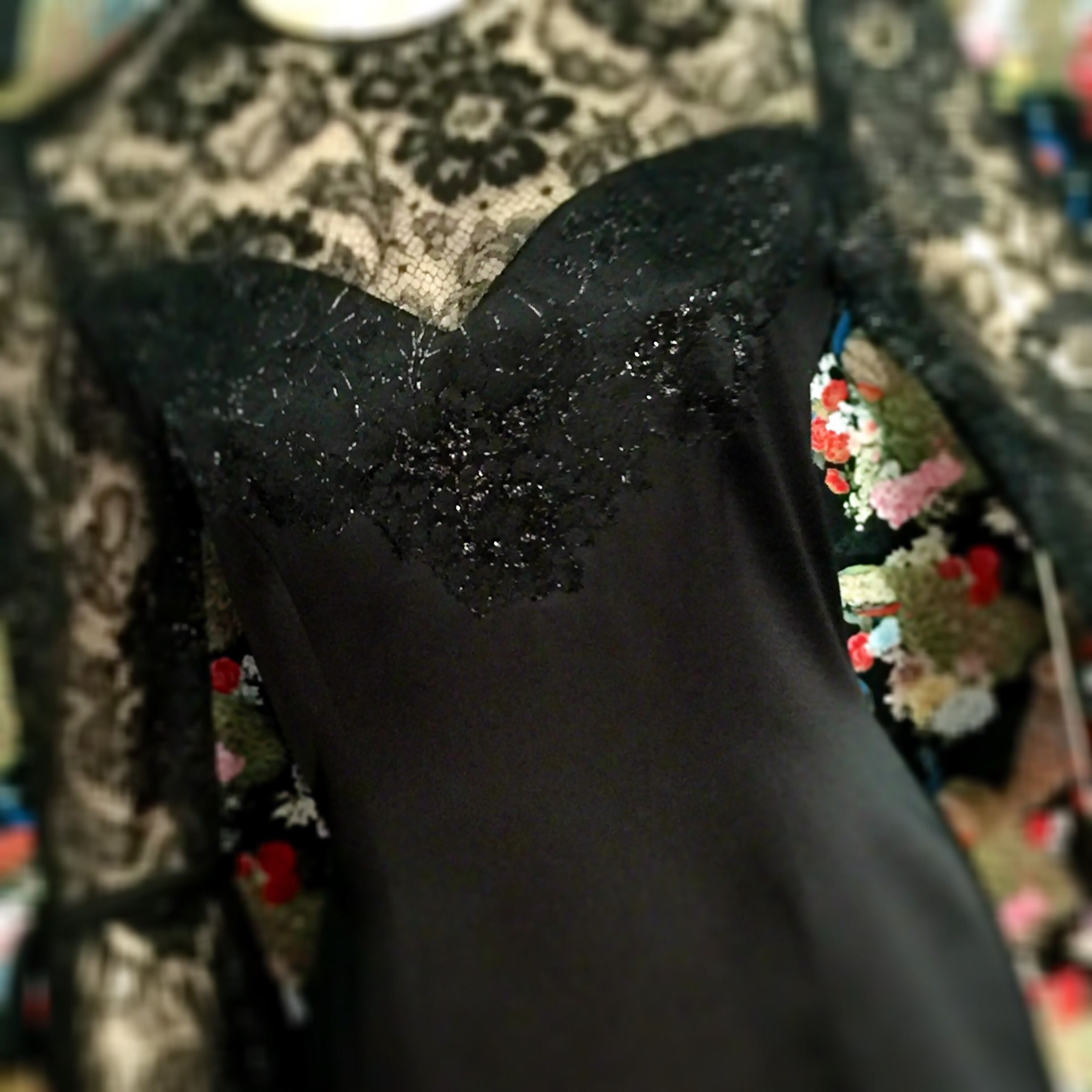
Albeit all the experimentation and character creations around my “cinematic self”, I have never been truly convinced that my clothes could become the visible form assumed by the way I chose to define my public persona. At least not in the sort of spectacular, larger than life way I envisaged.
As a spectacular sub-culture, Goth provides a unique insight into the experience of extraordinary “self-authorship” because of the dramatic and unconventional nature of the external self-constructions of individual identity through dress and personal grooming. Whether or not you are drawn to the “dark side of the human heart”, it is almost impossible to remain indifferent to the dramatic manipulation of appearance and the fantastic narrative that accompanies Goth fashion as an illustration of the extraordinary dimension the stories one writes for oneself can attain, allowing space for the creation of a “historic utopia” as far removed as possible from everyday life.
As superficial as it might seem, fashionable self-construction is not only about “the look”.While designing an aspirational self, fashion “props” allow the individual to construct a personal “bricolage” which gives the access to their extraordinary self via their ability to transform, and in some cases contest conventional social categories through their glamorising discourses (Thompson and Haytko, 1997). While this might not be a characteristic of the Goth subculture alone, both its cultural pervasiveness and the recurring concern with the distinction between authenticity and depth on the one hand, and a fascination with surface and performance on the other, make Gothic a postmodern archetype of “stylistic resistance”. An is this very stylistic resistance that perpetuates its fashionable allure.
Late capitalism produces the desire for an aura that is felt to be prior to or beyond commodification, for a lived authenticity to be found in privileged forms of individual expression and collective identification. For as long as goth seems to answer that desire, it will thrive as an undead subculture: forging communities on the margins of cities, suburbs, campuses and cyberspace; defying constraints on gender and sexuality; and imbuing the stuff of everyday life with the allure of stylistic resistance.
While Goth as a subculture has not faded away, the increasing heterogeneity in styles and fashion and a world that seems to no longer produce a coherent dominant culture or the cultural values against which resistance might be expressed, have transformed subcultural style in an ideologically vacant performance of over substance (David Muggleton, 2000). The incorporation of a subculture in mainstream society through commodification is not exclusive of Goth but its enduring resonance with contemporary fears, desires and anxieties might have exhausted itself: where once Gothic provided a space in which the dark dreams of the Enlightenment could be realized, now it simply exposes the void at the heart of an advanced consumer culture. The seemingly inescapable Gothic now functions as the perfectly protean postmodern commodity

All of the varied elements that once defined street style are now high fashion’s greatest source of inspiration. At Jun Takahashi’s Undercover and John Galliano’s Margiela in particular, they have been incorporated in dazzling and inspiring ways. But sometimes the embrace of street chic comes across as a mere flourish tacked on to spice a bourgeois brand with a bit of danger, to make a woman with a coddled existence feel a bit more in touch. It is an attempt to buy cool.
By taking the style, trends, dress, music etc of the subcultures and popularizing them so that they lose their exclusivity and gradually become mass-produced commodities made available to all, the mainstream cultural industry dilutes or annihilates specific meanings transforming authenticity in “ready to wear” commoditized lifestyles subject to the same cultural logic of “self-help narratives” and consummerism impulses. Being authentic, as La Agrado would say, does not come cheap and you are all the more authentic the more you resemble what you have dreamed for yourself . And this is a rare gift.
References
P.S. While I am selling my 80s vintage gothic errors, a part of me is still reluctant. But then I am not sure if “Gothic Chic” is authentic in me.
“Our normal sensation of self is a hoax, or, at best, a temporary role that we are playing, or have been conned into playing,” Alan Watts
When I was about 10 sitting in class the girl sitting behind me pulled me back to tell me some little secret. I remember that the sudden movement made me feel dizzy and for what was probably a few seconds but felt like it would become permanent, I thought I had traveled outside myself and was experiencing whatever was happening in class from above. I think this was the first time my wild imaginative child mind came to the conclusion that I couldn’t actually be sure that reality was real.
This experience, coupled with years of being an extremely shy and introverted little girl who spent hours reading whatever books I could find and talking to all the characters that came out of all those pages, resulted in the conviction that indeed the world must be only a stage and we have our entrances and get to play a character, sometimes even an interesting one, and we have our exits and get to seat in the audience and just watch while others dazzle or scare us or are just unable to make us feel anything with their performance.
Not that I ever read Shakespeare when I was 10. I was never that precocious.
If this was so there was also, I thought at the time, little proof of my existence and this conviction has lead to the creation of all the different characters that have helped hide, protect and accept myself in order to keep going. In doing so, I created a multitude of characters some of which did not even get as far enough as the dress rehearsal. Their wardrobe was ready but it never left the archival depths of countless steam trunks and old leather bags. I will have plenty of time to experiment with all that, I thought. I will just get ready for whatever or whomever it is I might feel like playing . This delusional fantasy has resulted in an “identity superflux“.
It would have probably been easier to settle for “the desirable and permanent order of things”, to follow Polonius advice and be true to my own self, but I never managed to understand how it would be possible to be just one. Facing the plurality of the world how can it be that being singular is enough?
And then you actually Realize that even if most days you still might feel that you are 10, time has passed and there might not be enough of it to stage all the plays you have been rehearsing for. Maybe only a few of us are meant for reality but life doe manage to find all of us.
References
King Lear
Hamlet
The book of disquiet
In December 2009 I finally managed to finish my PhD. In January 2010, as a reward, I took myself to Zambia because I have always been fascinated by Dr. Livingstone.

I am not a particularly brave person, I’m actually quite shy and insecure most of the times.

But I do believe in forcing myself to do everything that terrifies me.




This is my first trip to India. I spent two and half days in Kochi in the state of Kerala, site of the death of Vasco da Gama who had arrived in Calicut (now Kozhikode) 26 years before. In 1510, led by Afonso de Albuquerque, the Portuguese conquered Goa and here they stayed until December 19 1961. I spent two days here, fulfilling what has been a dream ever since I was a kid. To visit Goa.

And while trying to fight whatever is left of my jet lag self, I am trying to both understand where I am beyond the imaginary place of countless life fantasies and the real place. This is, of course, an absolutely delusional ambition. How could I ever understand anything in two overwhelming days.
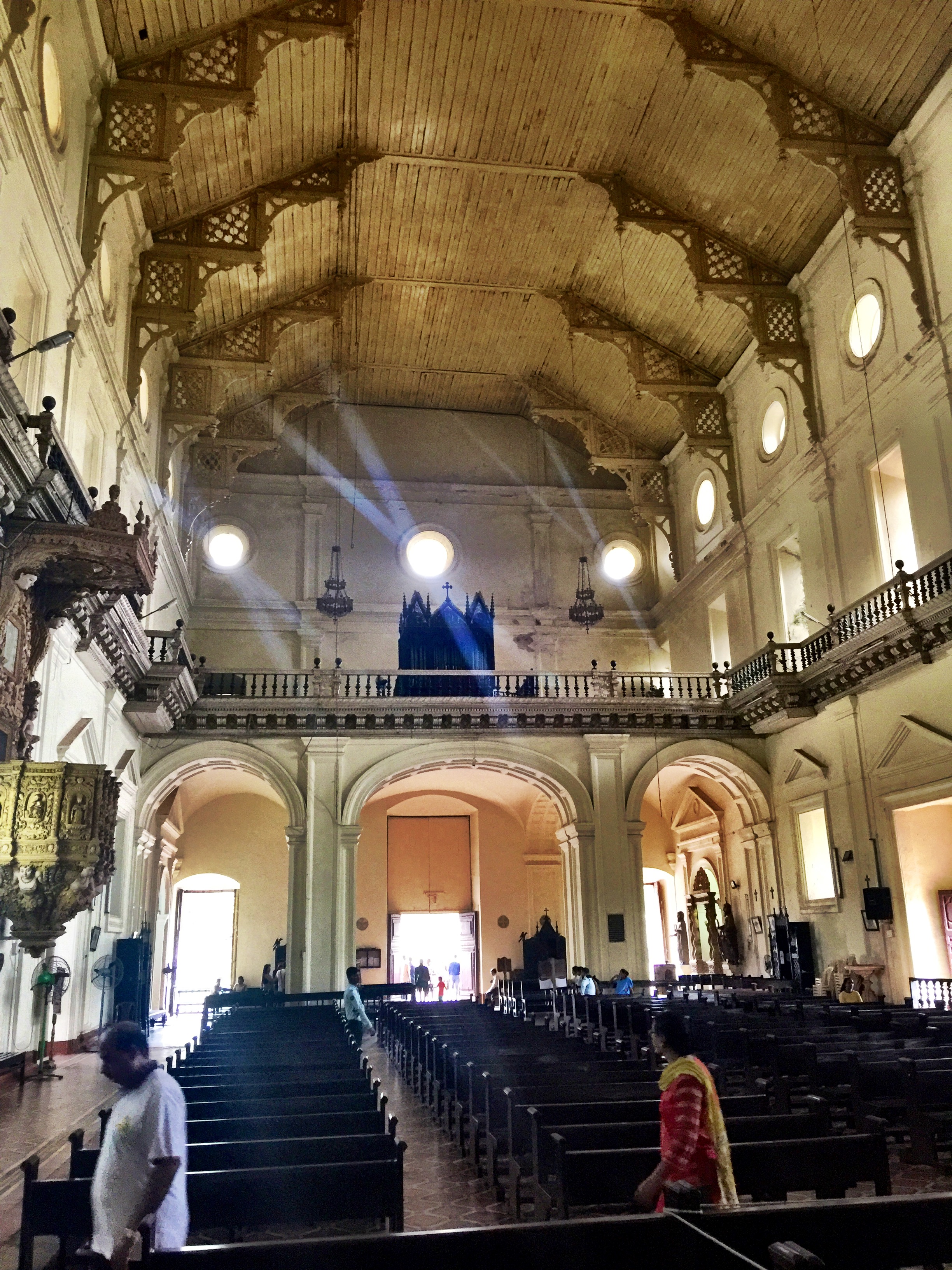
I always felt History was not easy to explain. Not even to thode who share it with you. There’s always a sense of invaders guilt at the back of my mind and then people tell me ” you should come to Iran and see the Portuguese fort in Hormuz” or ” you really need to come to Sri Lanka and see the Galle Fort” or maybe go to Thailand or Oman or Indonesia. And then I realize there’s nothing to be explained. It’s a common memory .
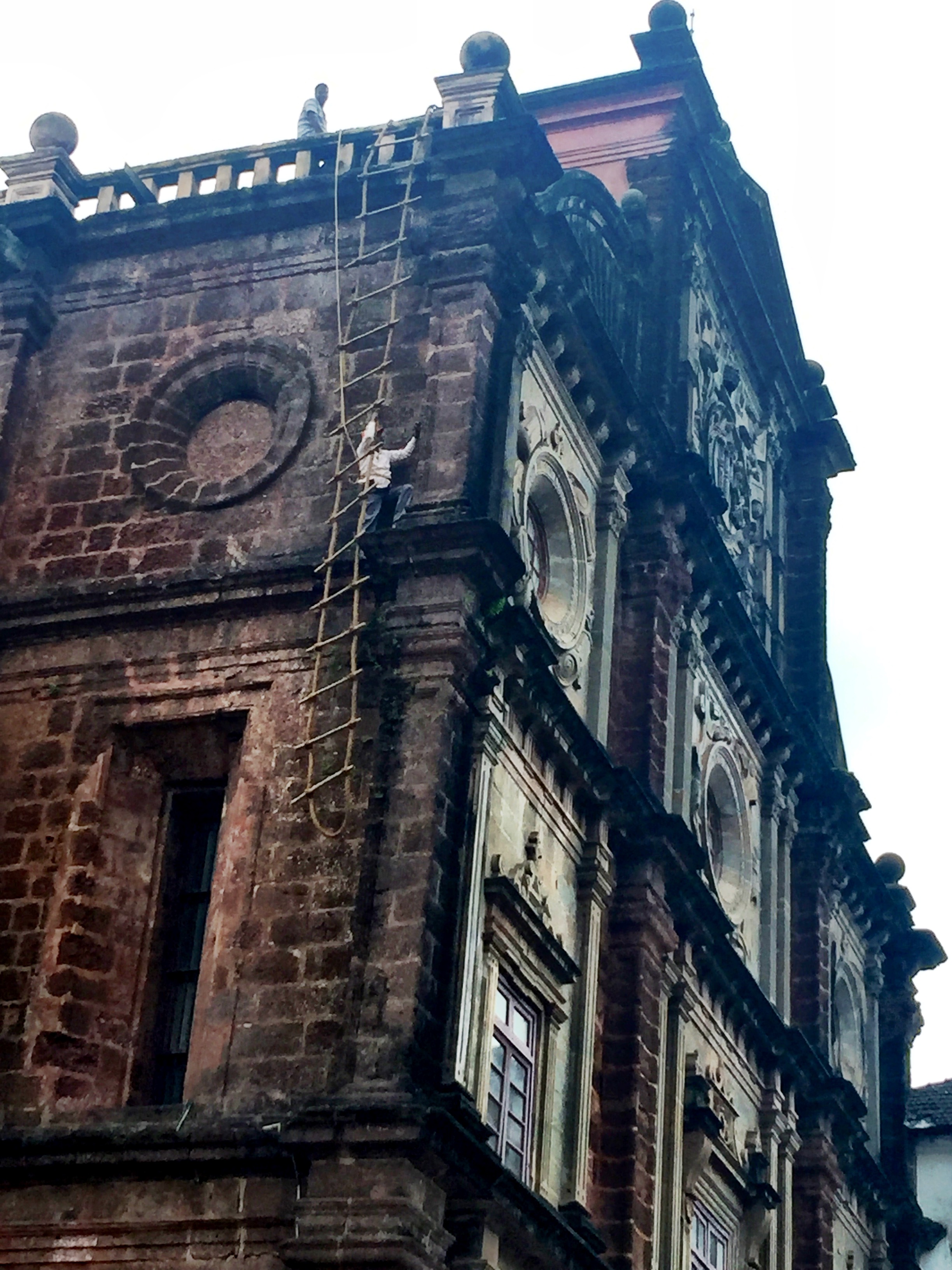
The minute I got in the car for a tour of Goa, the guide starts talking about Augustinian and Jesuit churches and nuns baking Bebinca, and reliquaries and Saint Francis Xavier and how much knowledge came together in the XV century to make all those churches and forts rise and still stand.

It is impossible, for me at least, not to feel that those stones and paintings and that relic are part of who I am. They are my cultural DNA.
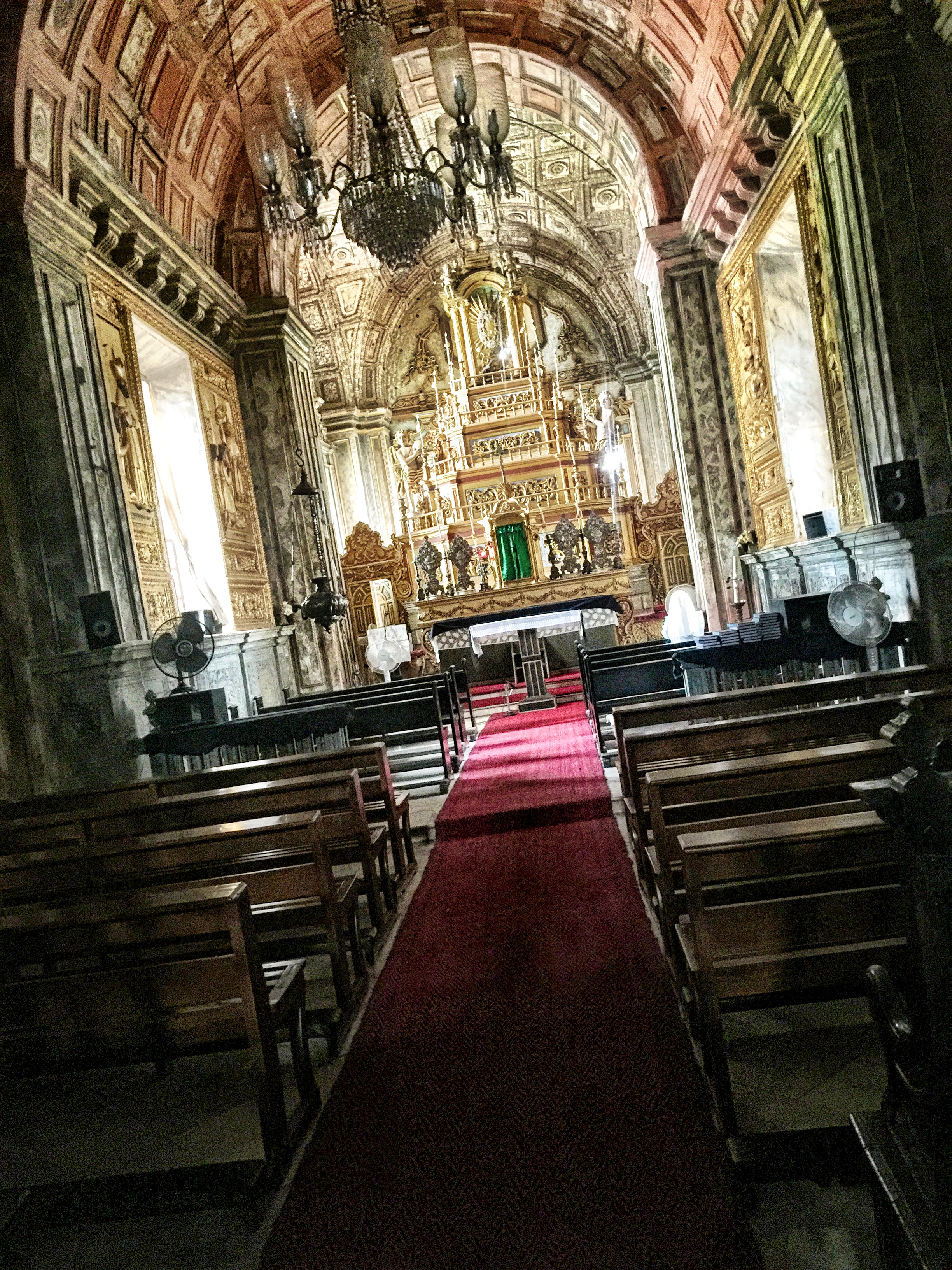
The next day I decide to walk on my own through Fontainhas, the Latin Quarter of Panjim and get lost, as I normally do. Since I have no wifi I ask the girl carrying her dry cleaning carefully wrapped in newspaper where June 18 street is. She walks with me because she is going that way. Where are you from, she asks. I tell her.

Eu também falo português (I also speak Portuguese) she tells me.
This is my unfinished journey. Where my sense of belonging comes from.
One is always at home in one’s past…
Vladimir Nabokov
I’ve forgotten the words with which to tell you. I knew them once, but I’ve forgotten them, and now I’m talking to you without them.
Marguerite Duras, Emily L.


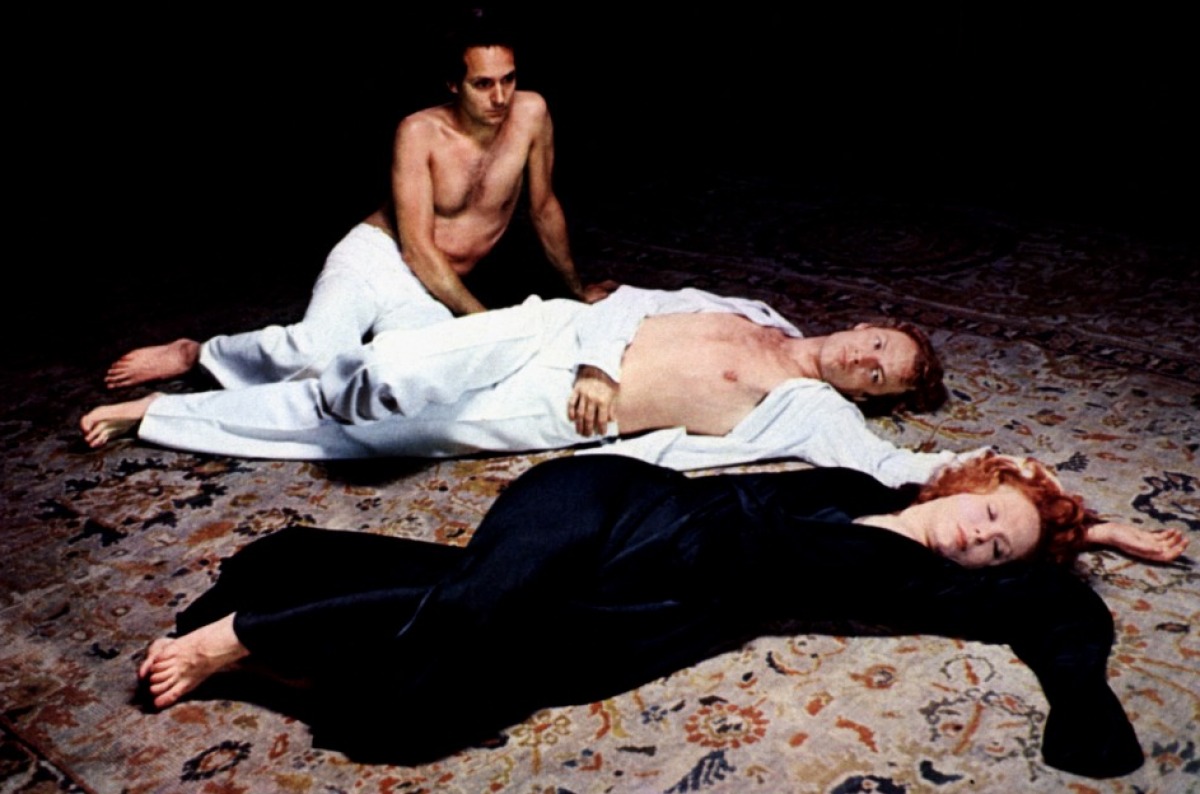

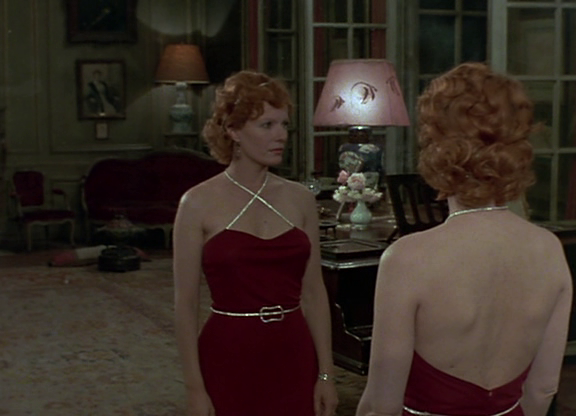


A memory piece that calls up the dead, its heroine, Anne-Marie Stretter (Delphine Seyrig), dances with her lover, Michael Richardson (Claude Mann), in the ballroom of the French Embassy in Calcutta, where her memorial—a photograph, a stick of burning incense, some flowers—is already arranged on the piano. Time folds in on itself in India Song, and space is fractured by the huge mirror that nearly covers one wall so that the reflection of the room is a constant; it is always different, however, from the framing of the room by the camera, whether still or moving. The image created by Duras and cinematographer Bruno Nuytten is at once ghostly and eroticized, so delicately colored that it seems hand-tinted, and the closeness of the air, weighted by the insufferable heat, is palpable. India Song puts all the senses on high alert, and yet it is not in any sense realism. No one would be surprised to learn that it was shot on a set constructed in a crumbling mansion near Paris.

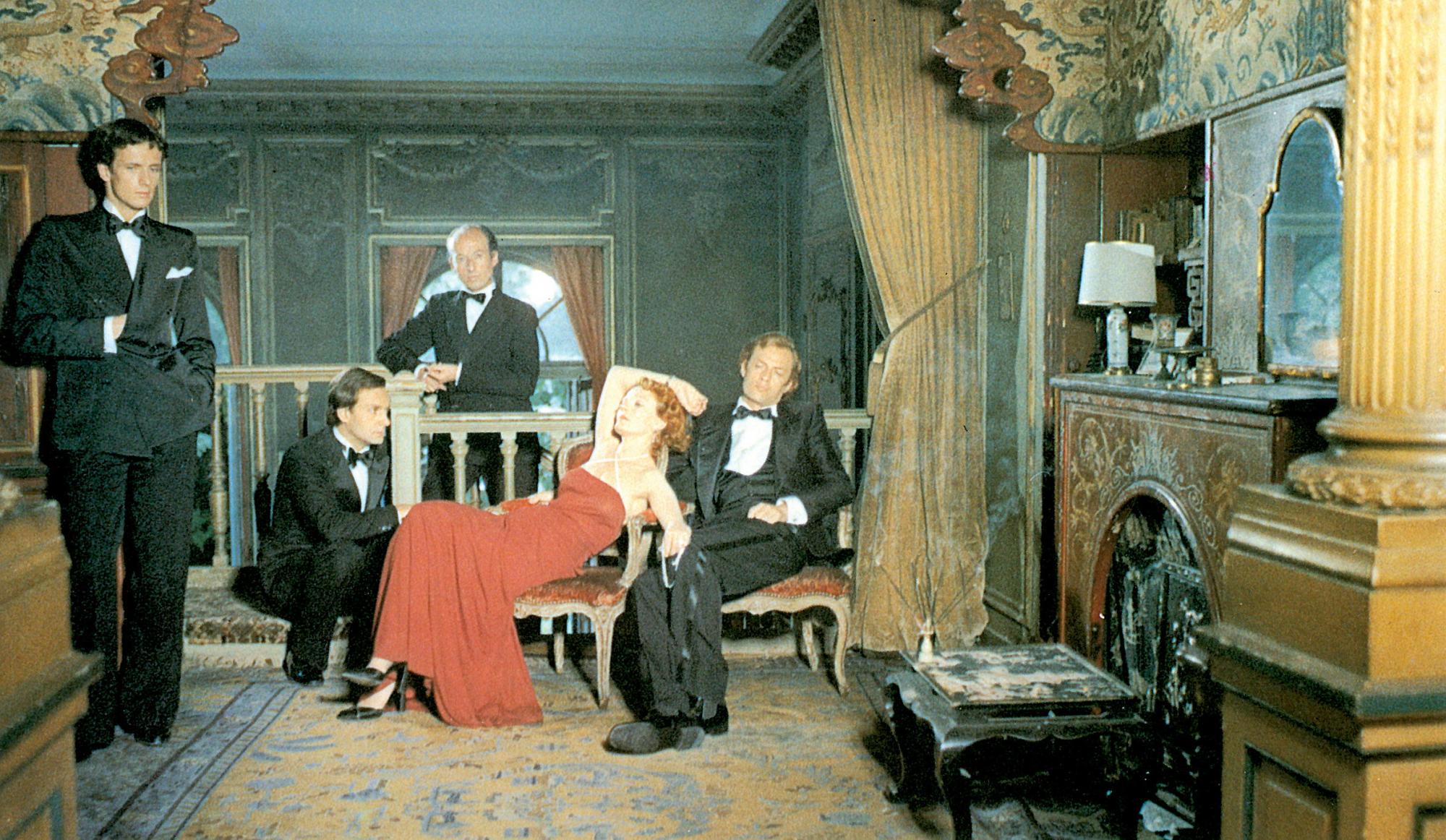


I’m leaving tomorrow. This is my first trip to India and all the images I have are the ones that never show you India just the dreamlike state of decadence of what has been lost.

Photos and References
http://kebekmac.blogspot.pt/2014/09/duras-1975-india-song.html
The Ghosts of Parties Past: Exorcising India Song
Almost two hours to go. Still. I’m tired of sitting down and the fluorescent lights and green pleated curtains are making me feel uncomfortable.
This train arrives in Porto around 1 am. Last time I took it someone got electrocuted while climbing on a stationed cargo wagon at the station 20 minutes away from Porto and we ended up arriving at 3. It was a Friday and we all thought someone had just had enough and decided to put an end to whatever was troubling them. No. It was a joke, just for laughs. Saturday afternoon I was told it was the son of a friend. He didn’t die. He must have killed something inside himself.
11.38 pm
Since my writing is not making much sense, I have tried to sleep. It didn’t work. I wonder who chooses colour schemes in public transportation. They’re hideous.
The gentleman sitting across from me is very slim and very tall. He looks bored but not uncomfortable. He has a perfect Greek sculpture nose and thin long fingers. The lady behind him is sleeping. She is wearing a yellow button down shirt, black jeans, brown suede booties and gold lurex socks. That’s where the fantasy is.
There are more people trying to kill time with Samsung smartphones than iPhones. There are more people wearing Nike than Adidas sneakers. The gentleman with the perfect nose is calling someone named Ana. She looks beautiful on the retina display. Photos always seem to look better on Samsung phones. Maybe I should trade mine for one of those.
There’s a baby dressed like a bunny. His dad is wearing a Hawaiian print t-shirt. His Nikes match the curtains.

12.06 am
Coimbra
Please mind the gap between the doors and the platform when alighting the train.
There’s a young man reading a book. Roberto Calasso’s “The forty-nine steps”. He got bored and put it down. The blonde girl next to me is sleeping using her oriental print satin bomber jacket as a blanket. She must have had a busy summer; both her wrists are covered with music festivals ticket bracelets. There’s a bleached blonde girl looking like an “it girl” and carrying a fake Vuitton Neverfull MM.
12.23 am
The train stopped. At the end of the car, framed by orange doors, there’s a guy with big white headphones and another bleached blonde girl with very long hair. There’s an older gentleman walking back to his seat. Red polo shirt, khaki shorts and sandals. It rained today.
12.40 am
Aveiro
The perfect nose gentleman is leaving. The three people standing to leave the train at this station are all wearing plaid. Green and white, black and white, red and blue. The guy reading Calasso is now reading Patrick Modiano’s La place de l’étoile.
The girl with the long bleached hair is very beautiful. She looks like a walking mermaid with a tiny nose stud. A lady wearing a pink leather jacket and matching pink studded stilettos walked past.
1.20 am
I fell asleep. The train has finally arrived in Porto. People going to Braga run to platform 1 to make sure they don’t miss the last train home. My black vintage chiffon dress is all crumpled. I feel as dishevelled as Blanche DuBois. Now I know why I bought it.
The fear of the empty space, most times understood as “ridiculous to the excess”.
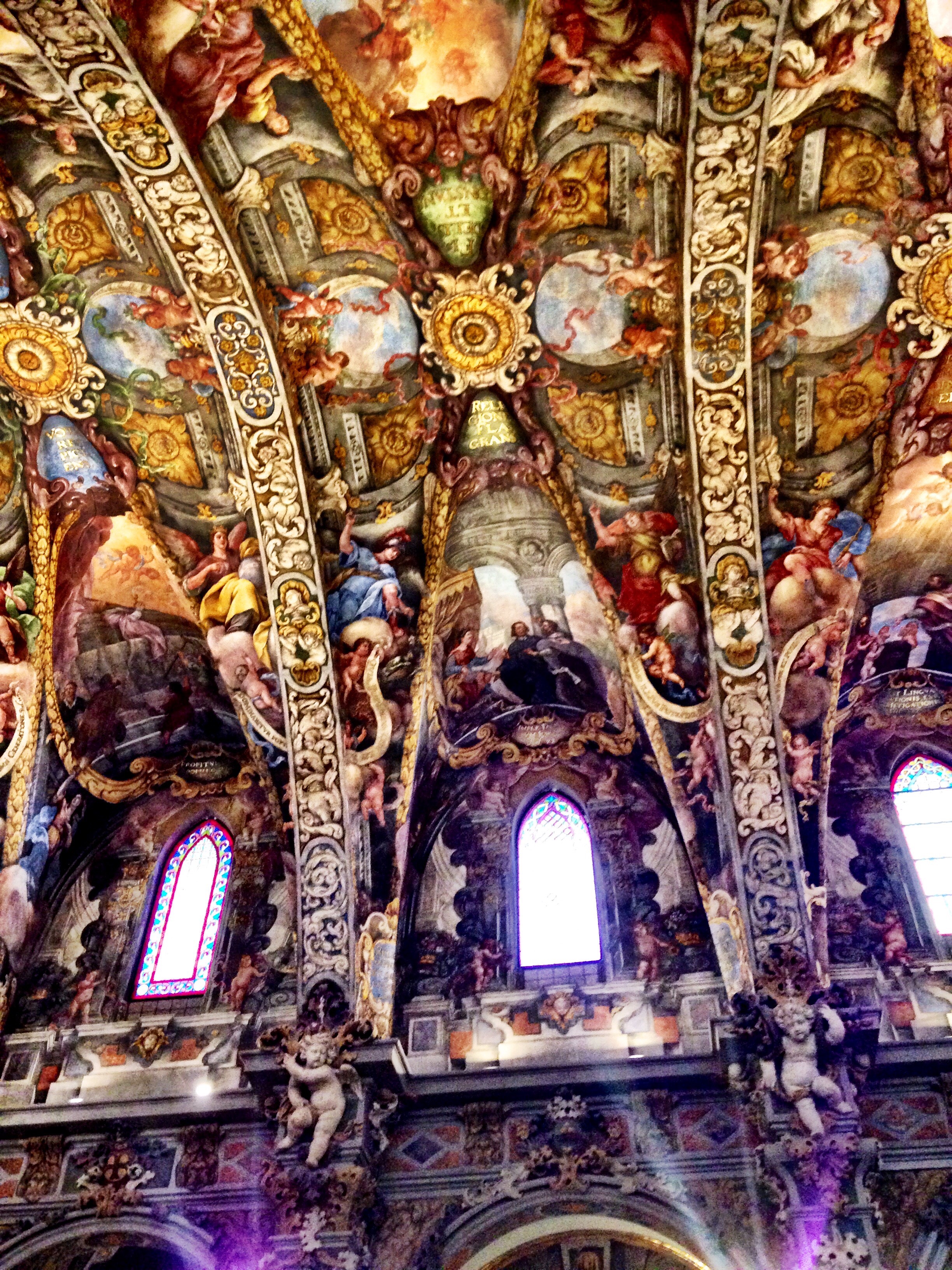
Fantasy, abandoned by reason, produces impossible monsters; united with it, she is the mother of the arts and the origin of marvels. Francisco Goya

Historically understood as an expression of Catholic Anti-Reformation propaganda, Baroque art is normally understood as lacking the reason and discipline associated with neoclassicism and the sophistication of more refined mannerism styles. In the 17th century, Baroque emerges in Europe as an extravagant, impetuous reaction against religious wars, the Reformation and the Counter Reformation, The 30 Years War, economic crisis and other ills and plagues form its historical backdrop. Going beyond the balanced and orderly representation of the world, it is an aesthetic of distortion, deception, complexity, and over-elaboration: the novel inside the novel (Don Quijote [1605 and 1615]), theater inside the theater (Hamlet [c1601]), the painting inside the painting (Velázquez’s Las Meninas [1656] ), mirrors inside mirrors, etc. An emotional response to emptiness and disenchantement.

Leonardo da Vinci’s simplicity as the ultimate sophistication has become the norm in a society overwhelmed my the amount of visual information and material possessions that seem to clutter our minds and dominate our living spaces The claustrophobic in me has tried often times to convert to the minimalist / sophisticated imperative with no success. The maximalist in me can’t resist the emotional drama, radical spirit and aesthetic vertigo of the horror vacui.

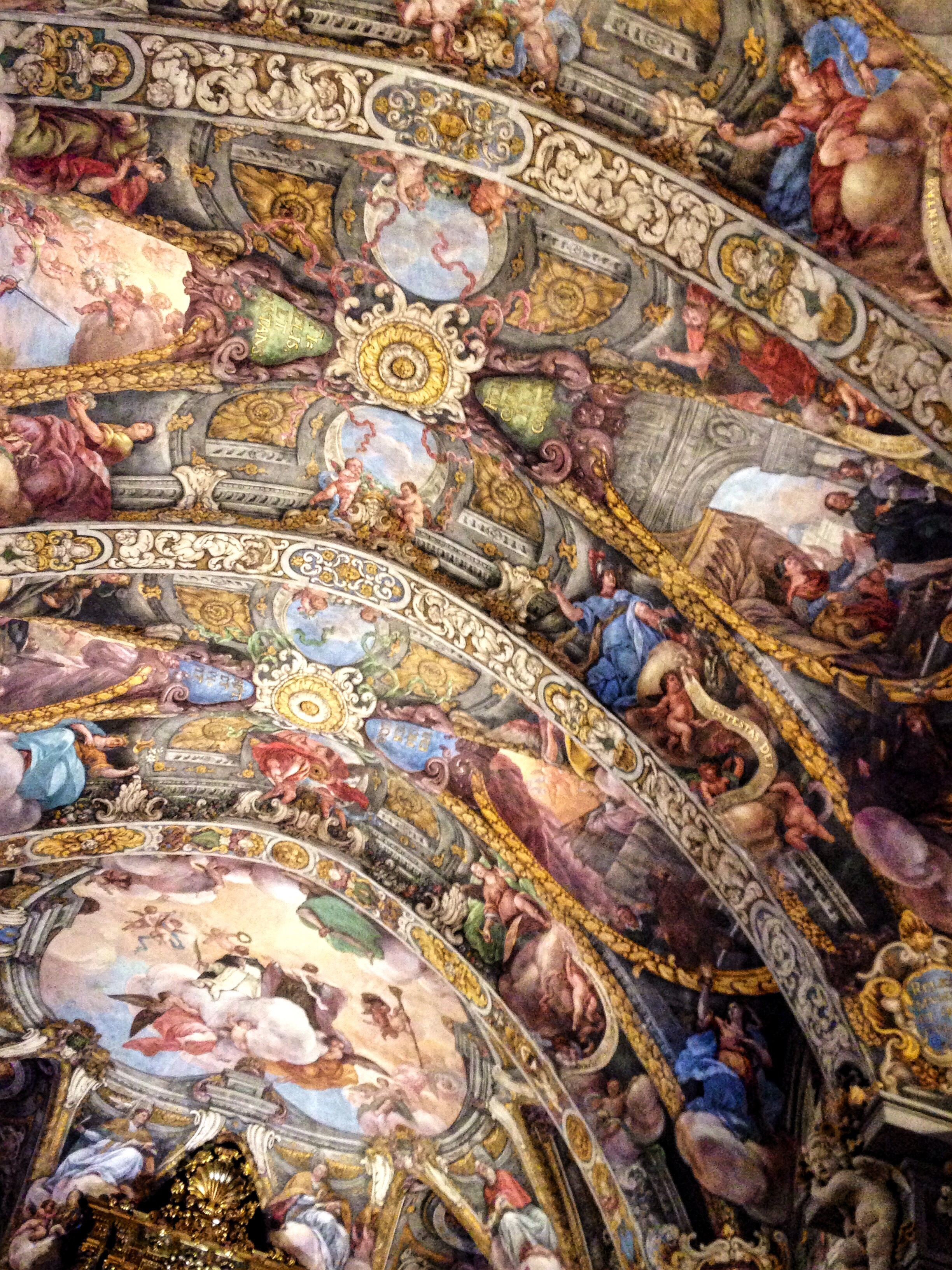
Photos (mine) San Nicolás Church in Valencia, Spain, A Gothic structure invaded by Baroque extravaganza.
References








 Stories from A Closet of Errors